Contact Person: Mr.Li
Mobile: +86-18509252400
Wechat: 18509252400
Email: info@mudsolidscontrol.com
Address: No.2 Huochang Road, Yangling District,Xianyang City, Shaanxi Province, China
Fine drilled solids can pass through the shaker and remain in circulation after desanding. As these fine solids build up in the active mud, the desilter provides another stage of separation.
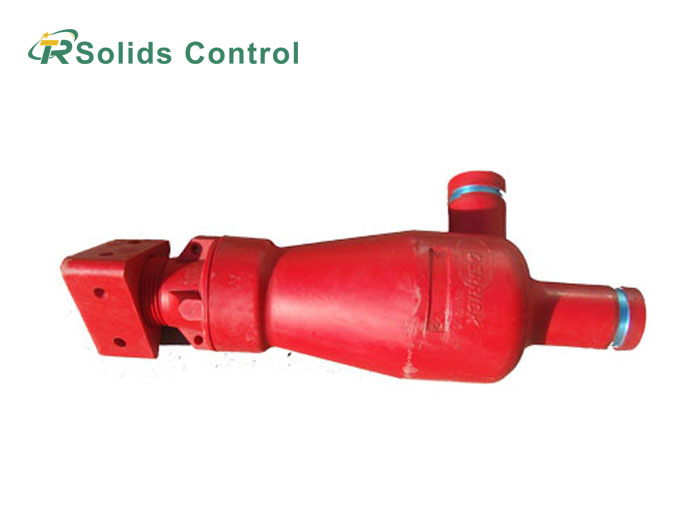
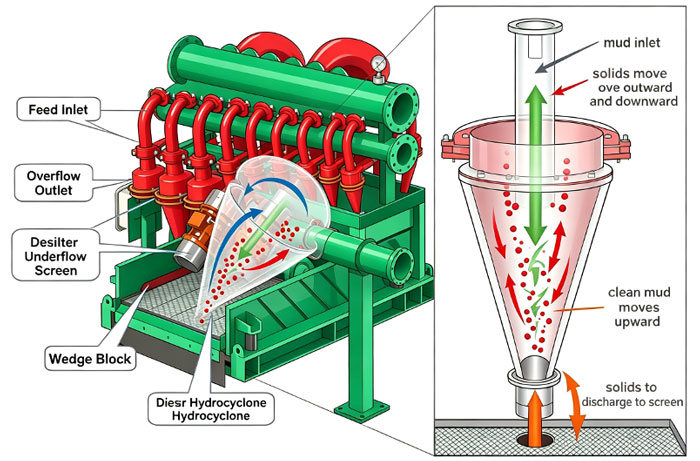
A Desilter Hydrocyclone for drilling removes these fine solids without a screen. Pressurized mud enters the cone tangentially and creates the vortex that drives the separation.
Fine drilled solids can remain in the circulating fluid after larger cuttings and coarser solids have been removed.
As fine solids build up, they can change mud properties and make the circulating fluid harder to control. A desilter provides another stage of fine solids removal from drilling mud, targeting particles that remain in suspension after upstream separation.
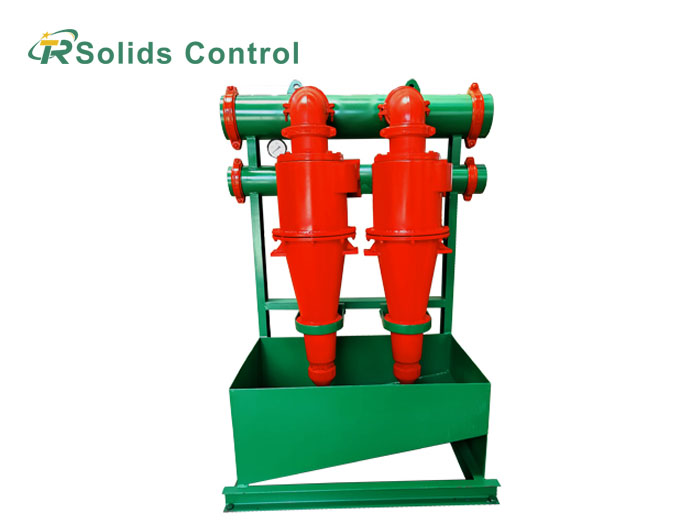
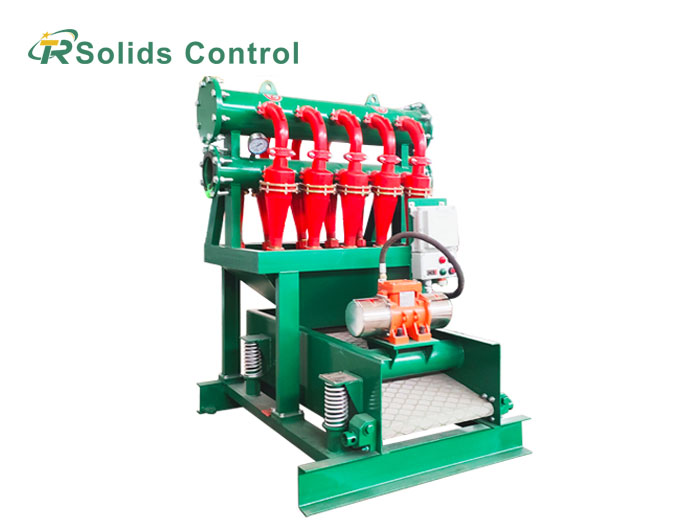
The desilter sits downstream of the shale shaker and desander and handles the finer solids that remain.
Drilling mud enters the hydrocyclone tangentially under pressure, setting the fluid into a high-speed rotational flow.
As the vortex develops, denser particles move toward the cone wall and travel downward with the outer flow, while the liquid-rich inner flow reverses direction and exits through the vortex finder.
The result is two streams:
Underflow: a solids-rich stream exits through the apex.
Overflow: a liquid-rich stream exits through the vortex finder.
The vortex itself does the separating. Particle size and density affect how a particle moves through the cyclone, while pressure and flow influence the strength of the vortex and the resulting separation.
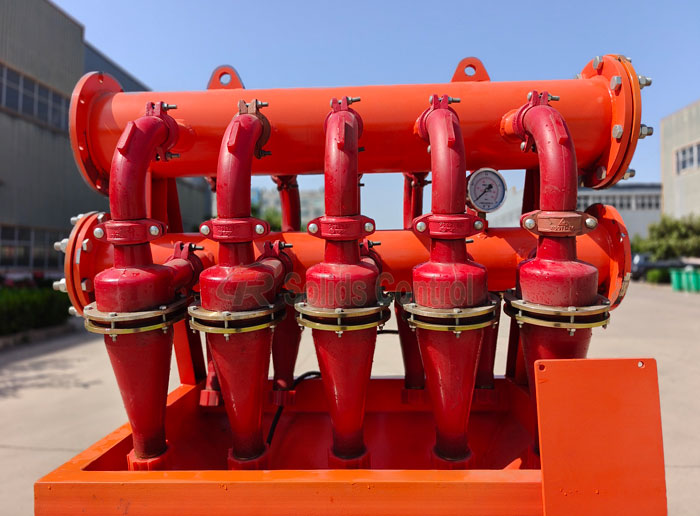
Desilters are commonly used for fine solids in roughly the 15–44 μm range.
Treat that range as a reference; the actual cut point moves with cyclone design and the mud being processed.
Particle size alone does not determine the separation. Feed pressure, flow rate, mud viscosity, density, and solids concentration all influence particle movement inside the cone.
A quoted cut point should therefore be considered together with the conditions under which it was obtained. Two cones with similar published separation figures can perform differently when their feed characteristics differ.
Flow rate determines how much fluid each cone has to process. If the cone bank is overloaded, separation can suffer regardless of its nominal capacity.
The cone also needs sufficient feed pressure to maintain the vortex. Too little pressure can weaken separation, while increasing pressure alone does not guarantee a better result. The useful operating range depends on the cyclone design.
Mud viscosity, density, and solids concentration affect how particles move within the vortex. Published performance data should be read alongside the properties of the actual drilling fluid.
The solids entering the cone matter too, particularly when coarse or highly concentrated material reaches a stage intended for finer separation.
A desander and desilter handle different parts of the solids-size distribution.
The desander normally removes the coarser fraction first. The desilter then receives a finer feed that is more suitable for its smaller hydrocyclone cones.
A typical arrangement is:
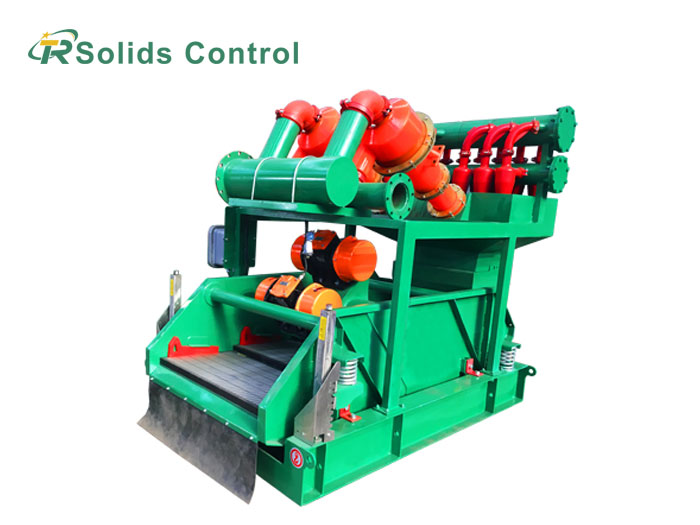
Shale Shaker → Desander → Desilter
If significant amounts of coarse material are still reaching the desilter, check the upstream separation first. The desilter works best when the feed reaching it matches the separation duty for which the cones are intended.
Field performance is better judged from the mud and discharge behavior than from the equipment alone.
Look at the fine-solids trend in the active mud, the consistency of the underflow, feed pressure, and changes in the solids entering the desilter.
The underflow pattern provides a useful visual indication. A normal hydrocyclone discharge has a spray-like appearance. If the apex produces a thick, rope-like stream, check whether the cone is overloaded or restricted before changing the desilter configuration, especially when the incoming solids load has recently increased.
The underflow also carries drilling fluid along with the concentrated solids, so liquid loss needs to be watched. Excessive liquid in the discharge can indicate an operating issue even when solids are being removed.
With weighted mud, some of the dense material in the underflow may be useful weighting material. Removing more dense solids is not necessarily better if it increases valuable mud or weighting-material losses.
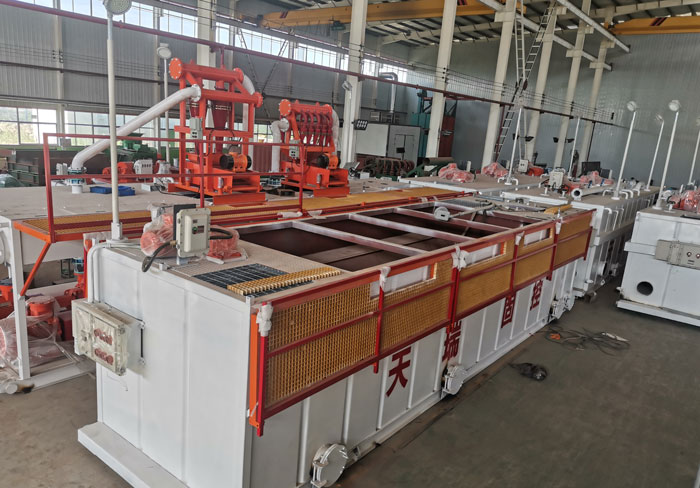
The vortex inside the cone does the separating without a screen. The underflow then provides a practical field indication of how the separation is performing.

Address: No.2 Huochang Road, Yangling District,Xianyang City, Shaanxi Province, China
Tel: +86-18509252400
Wechat: 18509252400
Email: info@mudsolidscontrol.com
Contact: Mr.Li
 +86-18509252400