Contact Person: Mr.Li
Mobile: +86-18509252400
Wechat: 18509252400
Email: info@mudsolidscontrol.com
Address: No.2 Huochang Road, Yangling District,Xianyang City, Shaanxi Province, China
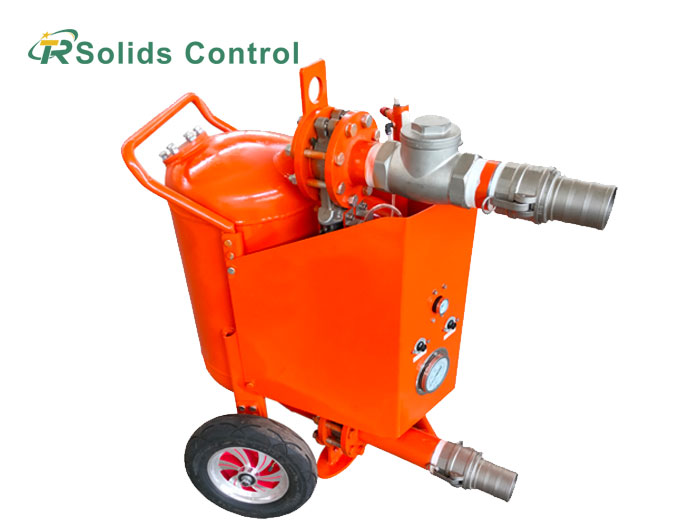
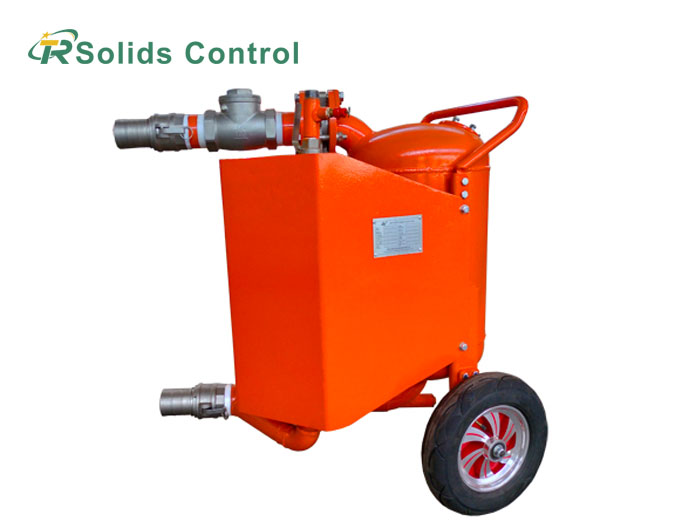
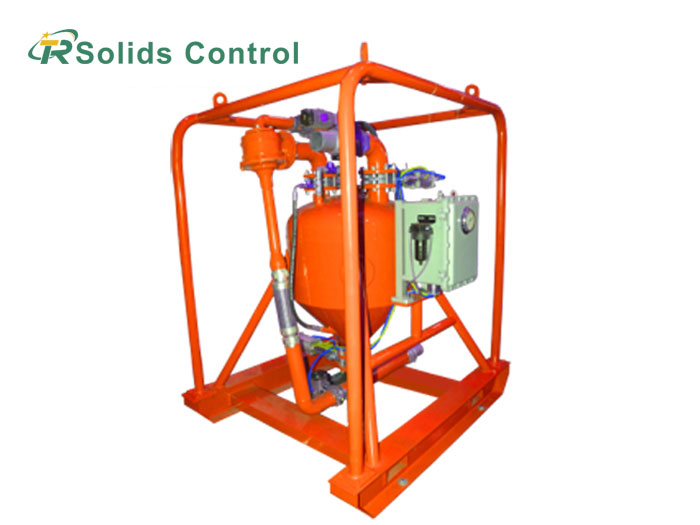
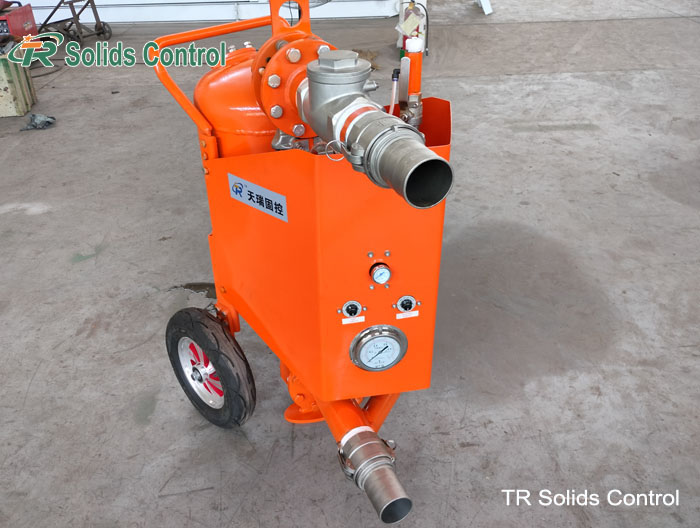
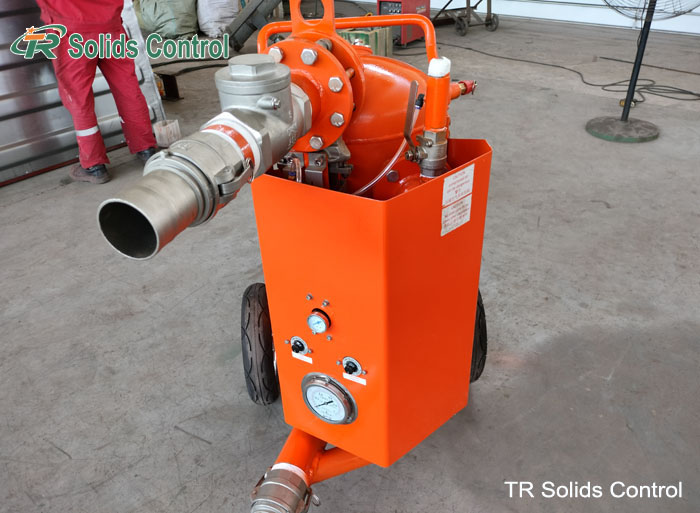
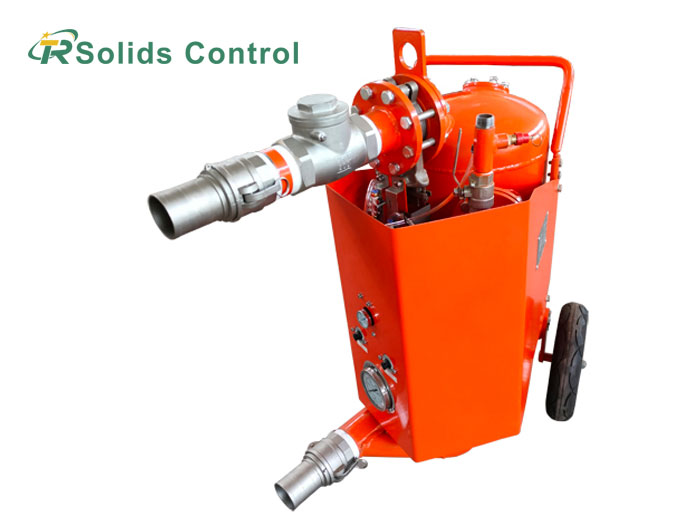
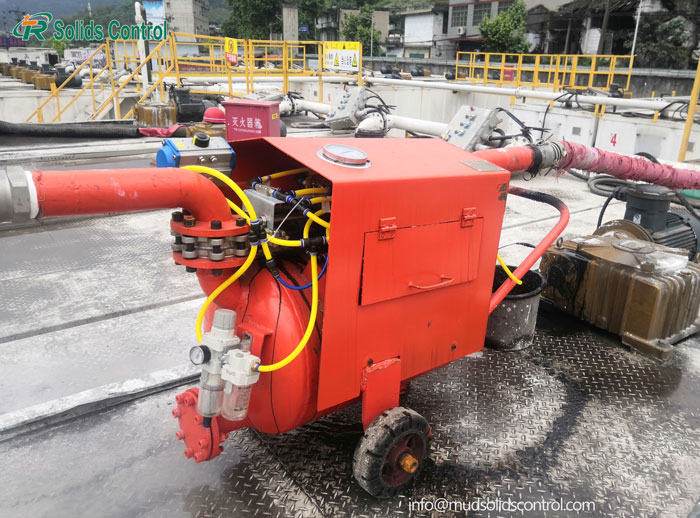
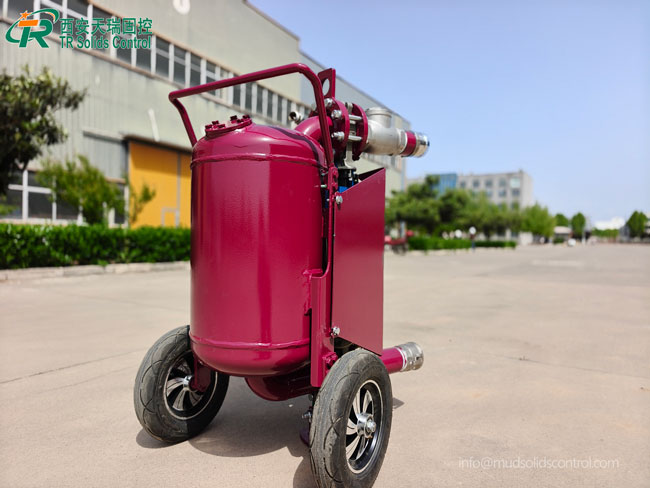
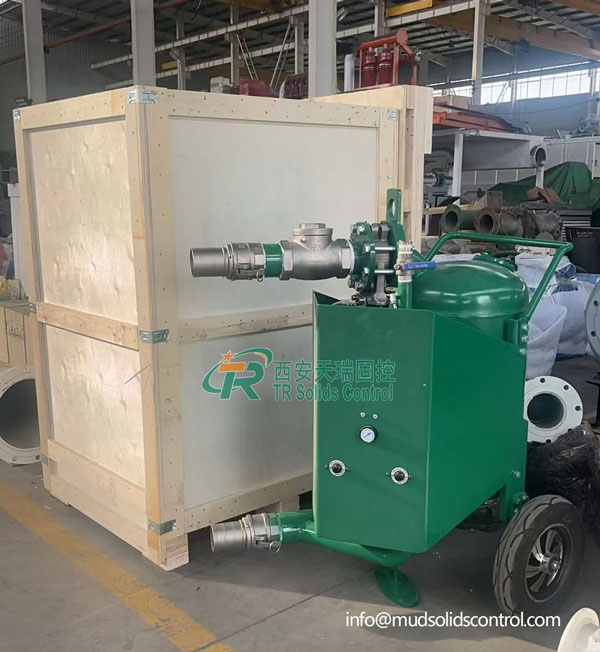
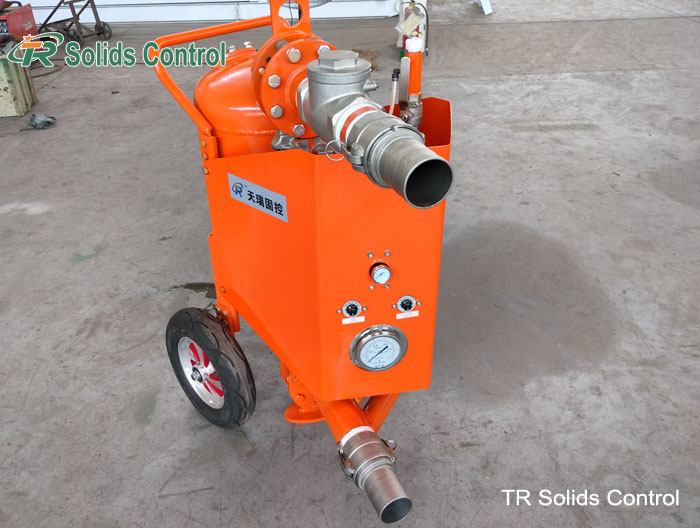
TR Sludge Vacuum Pump is a pneumatic vacuum pump for transferring drill cuttings, sludge, powders, liquids and solid-liquid mixtures. It is also known as a Solids Transfer Pump or Cuttings Transfer Pump.
The pump uses compressed air to create a vacuum for material pickup and positive pressure for discharge. With no rotating parts in the material flow path, the pump handles abrasive solids and high-solids mixtures that are difficult to move with conventional pumps.
The pump uses a two-stage pneumatic cycle: vacuum loading followed by pressure discharge.
During the loading phase, compressed air passes through the Venturi system and generates a vacuum in the pump vessel. The inlet valve opens, and the vacuum draws cuttings, sludge or other material through the suction line.
When the loading cycle is complete, compressed air pressurizes the vessel and the discharge valve opens, forcing the material through the discharge line. The system switches back to suction and repeats the cycle.
High-vacuum suction: The Venturi system generates up to 25 inHg (85 kPa) of vacuum for handling sludge, cuttings and other difficult materials.
No rotating parts in the flow path: No rotating components contact the material, reducing abrasive wear and helping extend service life.
High-solids handling: Handles slurries and solid-liquid mixtures with solids content of up to 80%.
Large-particle handling: The TRSP-40L handles solids up to 70 mm in diameter.
Long-distance conveying: Discharge distance is up to 1,000 m, depending on material properties and pipeline layout.
Fully pneumatic operation: The pump runs on compressed air with no electric motor or drive.
Automatic suction-discharge cycling: Runs automatically with a standard manual override and optional wireless remote control.
| Model | TRSP-40L | TRSP-25W | TRSP-20L |
| Maximum throughput | 40m³/h | 25m³/h | 20m³/h |
| Inlet / outlet diameter | 4"DN100 | 3"DN80 | |
| Suction distance | ≤50m | ||
| Discharge distance | ≤1000m | ≤550m | |
| Overflow diameter | ≤70mm | ≤50mm | |
| Atmospheric pressure | 650-800Kpa | 550-700Kpa | |
| Air supply | 13m³/min | 6.5m³/min | |
| Dimension | 1600×1500×2000mm | 2000×1000×1100mm | 1000×800×1400mm |
| Weight | 910kg | 300kg | 270kg |
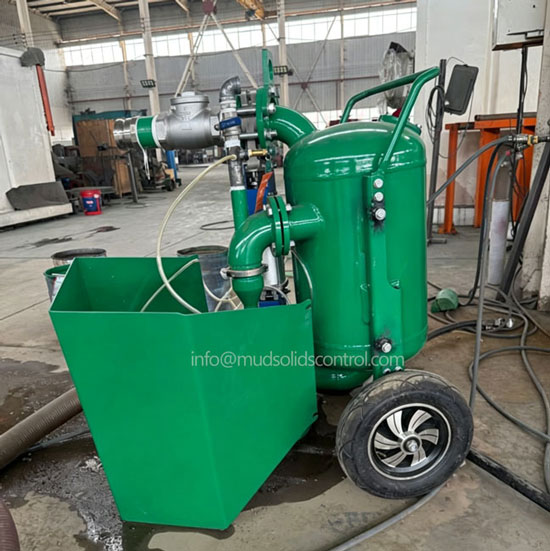
Drilling Waste Transfer
Transfers drill cuttings, waste drilling mud and centrifuge underflow from shale shakers, mud cleaners and centrifuges. It also removes settled solids from waste pits and tank bottoms.
Pit, Tank and Vessel Cleaning
Removes sludge, sediment and settled solids from mud pits, storage tanks and vessel holds. Vacuum suction helps recover material from confined or hard-to-reach areas.
Mining and Tunneling
Handles slurry, tailings and other high-solids materials from pits, sumps and underground working areas.
Industrial and Bulk Material Transfer
Transfers bulk solids, powders, granules, sewage solids and other difficult-to-pump materials from tanks, silos and industrial waste areas.
Choose the pump based on throughput, suction distance, discharge distance, material properties and mobility.
TRSP-20L is suited for fixed installations with throughput up to 20 m³/h.
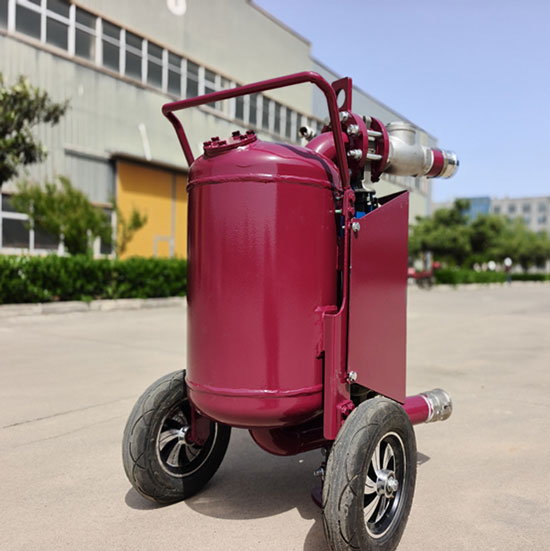
TRSP-25W is the wheel-mounted option for mobile applications with throughput up to 25 m³/h.
TRSP-40L is suited for higher-throughput applications and longer discharge distances, with a maximum throughput of 40 m³/h.
Check the compressed air supply before final selection. The compressor must meet the required air pressure and air consumption for the selected model.
How is a sludge vacuum pump different from a conventional pump?
It uses compressed air for vacuum loading and pressure discharge, with no rotating parts in the material flow path. This limits wear when handling abrasive solids.
How do I select the right compressor?
The compressor must meet the required air pressure and air consumption for the selected model. TRSP-40L requires 13 m³/min of air at a working pressure of 650–800 kPa, while TRSP-25W and TRSP-20L require 6.5 m³/min at a working pressure of 550–700 kPa.
TR Sludge Vacuum Pumps are pressure-tested before shipment. TR manufacturing operates under API Q1 and ISO 9001 quality management systems.
TR provides spare parts and technical support for installation, commissioning and ongoing operation.

Address: No.2 Huochang Road, Yangling District,Xianyang City, Shaanxi Province, China
Tel: +86-18509252400
Wechat: 18509252400
Email: info@mudsolidscontrol.com
Contact: Mr.Li
 +86-18509252400