Contact Person: Mr.Li
Mobile: +86-18509252400
Wechat: 18509252400
Email: info@mudsolidscontrol.com
Address: No.2 Huochang Road, Yangling District,Xianyang City, Shaanxi Province, China
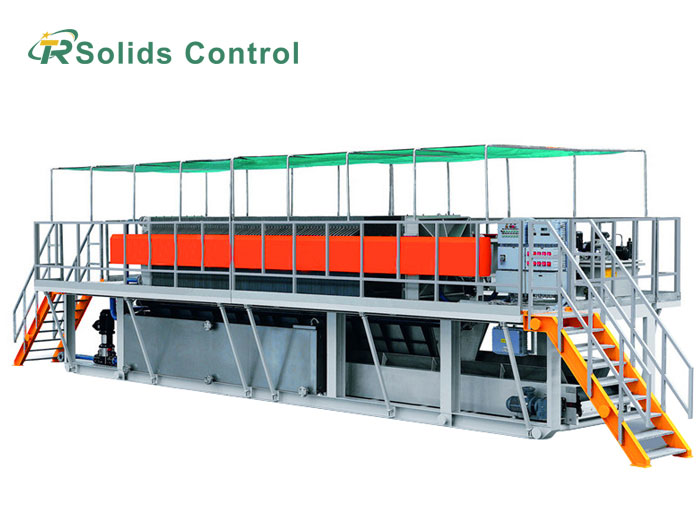
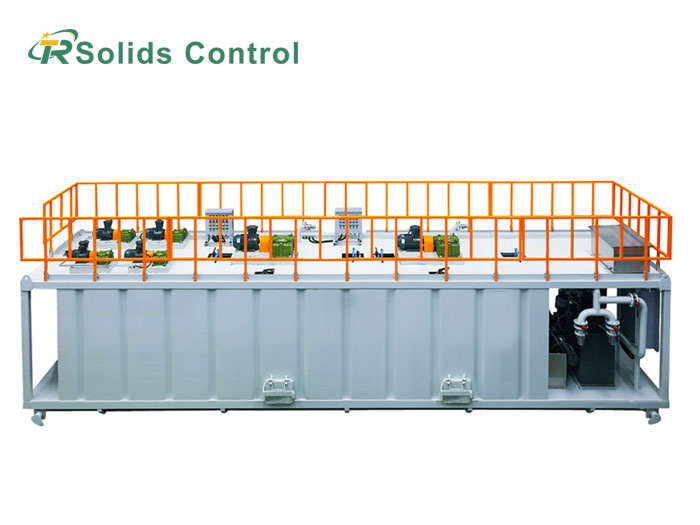
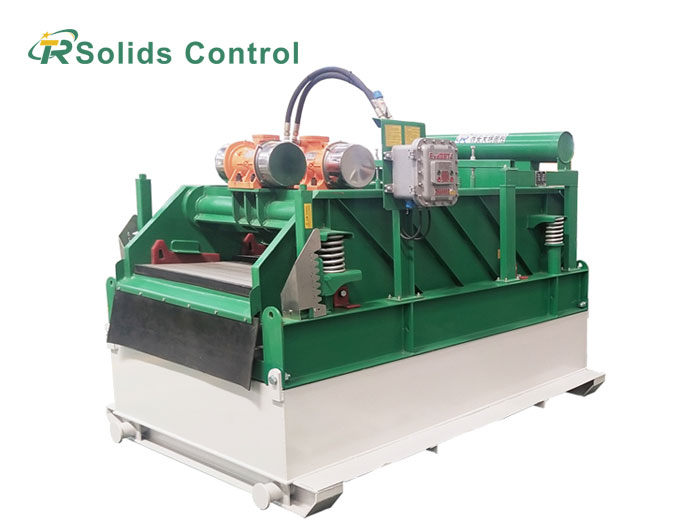
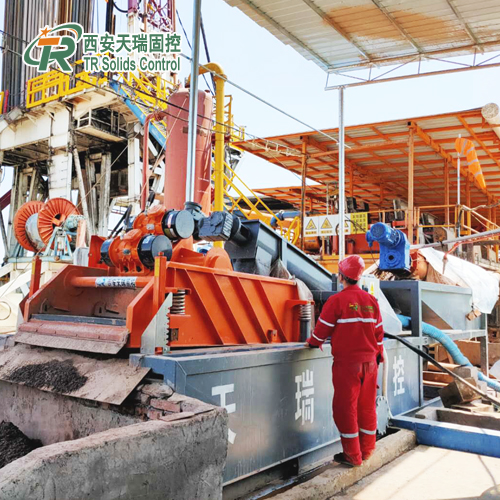
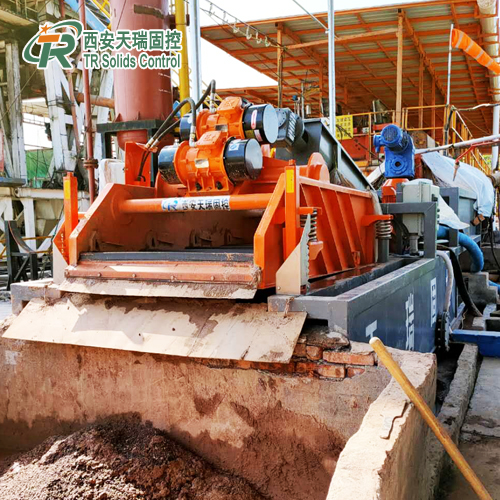
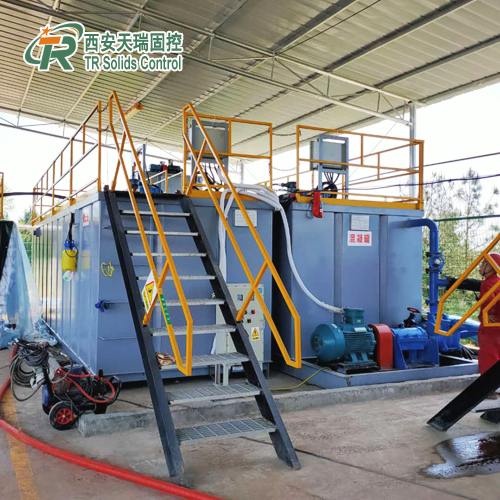
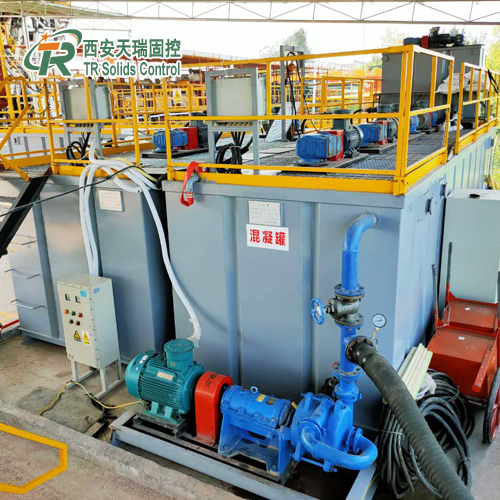
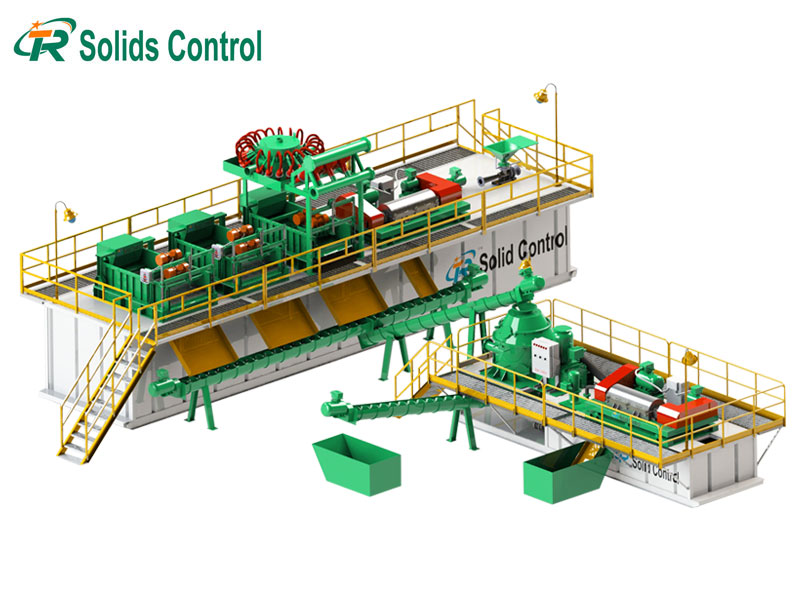
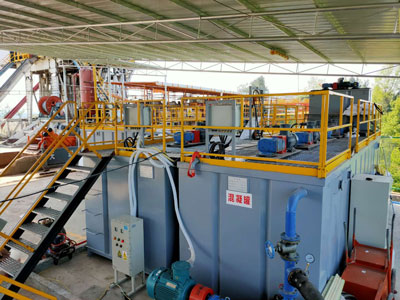
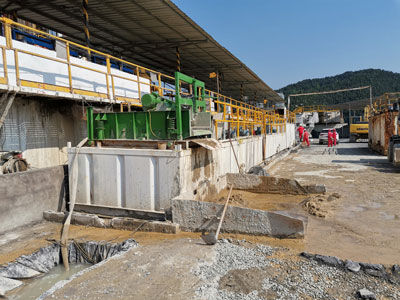
TR Water Based Mud Treatment System treats drilling waste at the wellsite, separating coarse cuttings, conditioning fine solids and dewatering the slurry into filter cake and filtrate. It reduces reliance on temporary mud pits and separating the waste into filter cake and filtrate for further handling or reuse.
Reduced Mud-Pit Use: Treats drilling waste at the wellsite, reducing reliance on temporary storage pits.
Waste Volume Reduction: Dewatering reduces the volume requiring transport and disposal.
Deep Dewatering: Pressure filtration produces easier-to-handle filter cake.
Filtrate Recovery: Collected filtrate can be reused when suitable or sent for further treatment.
Waste Resource Utilization: Dewatered filter cake can be used as raw material for construction materials or site restoration, subject to its properties and local requirements.
Modular and Relocatable: Skid-mounted equipment simplifies installation and relocation between wellsites.
| Number | Equipment | Model | Quantity |
Effect |
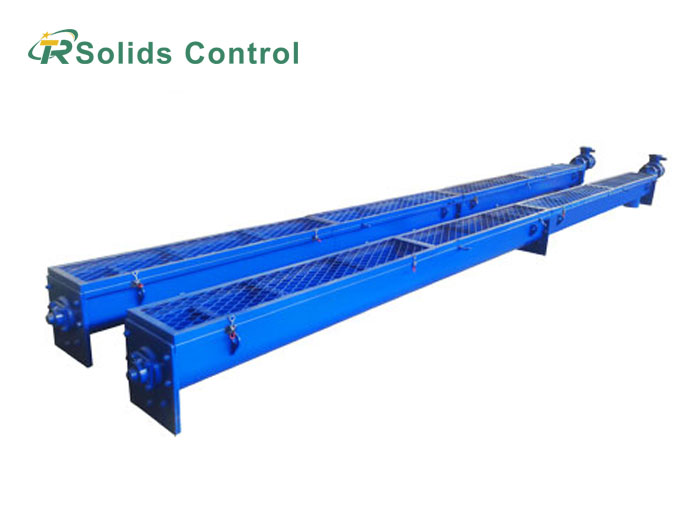
| 1 | Screw Conveyor | LS450-14 | 1 unit | Material collection |
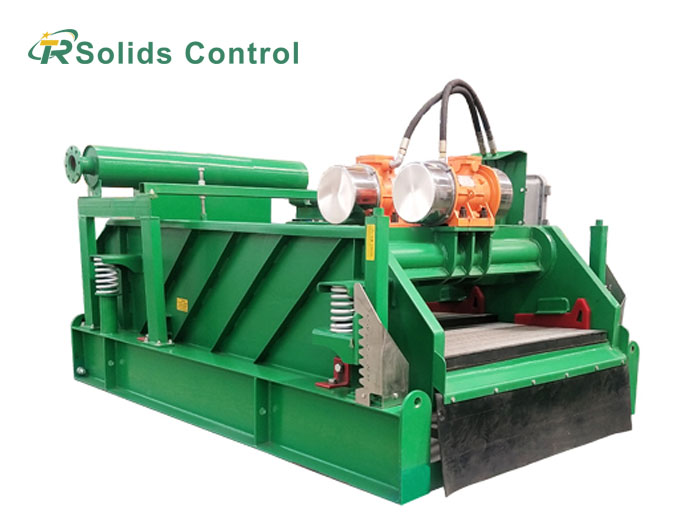
| 2 | Drying Shaker | TRZS854 | 1 unit | Coarse screening |
| 3 | Mixing storage tank | 9000×2100×1800mm | 1 | collect |
| 4 | Flocculation tank | 9000×2100×1800mm | 1 | Transport |
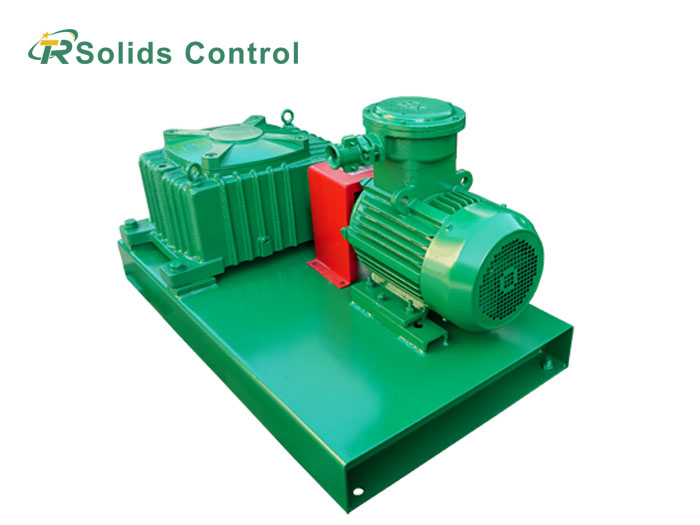
| 5 | Mud Agitator | TRJBQZ11 | 6 units | Mix |
| 6 | Medicine Jar | 1000×1000×1100mm | 1 | Dosing |
| 7 | Mud Agitator | TRJBQZ2.2 | 1 unit | Mix |
| 8 | Filter press feed pump | 65ZJ | 1 unit | Transport |
| 9 | Filter Press | PXG250/1250 | 1 unit | Solid-liquid separation |
| 10 | Filtration collection tank | 8000×2350×2150mm | 1 | Collect |
Waste Collection and Pre-Separation
Waste from the drilling solids control system is conveyed by the LS450-14 screw conveyor to the TRZS854 high-frequency drying shaker for preliminary separation. Coarse drilling cuttings are discharged separately, while the remaining waste stream enters the mixing and storage tank for buffering and pretreatment.
Optional Gel Breaking
For waste mud with high polymer content or strong gel structure, a gel-breaking stage can be added before flocculation to improve subsequent solid-liquid separation.
Flocculation and Chemical Conditioning
Waste mud enters the flocculation tank, where chemicals are prepared, metered and mixed with the slurry. The flocculant gathers fine suspended solids into larger flocs, making them easier to separate during pressure filtration.
Filter Press Dewatering
The conditioned slurry is fed by the 65ZJ filter press feed pump into the PXG250/1250 filter press. Pressure filtration separates the slurry into filter cake and filtrate. The filter cake is collected for transport or further handling, while the filtrate flows to the filtrate collection tank.
The system is designed for water-based drilling waste treatment in oil and gas drilling operations, particularly where mud-pit use needs to be reduced and drilling cuttings and waste mud need to be collected and treated at the wellsite.
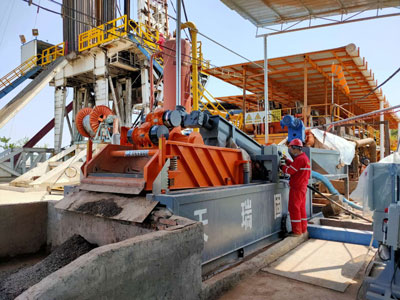
System Capacity
System sizing starts with the amount of waste generated during drilling. This determines the required treatment capacity, tank volume and filter press size.
Waste Characteristics
Cuttings size, solids concentration, viscosity, polymer content and mud chemistry affect the pre-separation, chemical dosing and filtration requirements.
The required filter-cake condition, filtrate handling method, available site space and need for gel breaking are considered when defining the final configuration. For difficult or unfamiliar waste streams, TR recommends representative mud sample testing before final selection.
TR manufactures the main equipment used in the treatment train and can supply individual units or a complete water-based mud treatment system.
For complete systems, TR handles equipment coordination and system integration from waste collection and pre-separation through chemical conditioning and dewatering.

Address: No.2 Huochang Road, Yangling District,Xianyang City, Shaanxi Province, China
Tel: +86-18509252400
Wechat: 18509252400
Email: info@mudsolidscontrol.com
Contact: Mr.Li
 +86-18509252400