Contact Person: Mr.Li
Mobile: +86-18509252400
Wechat: 18509252400
Email: info@mudsolidscontrol.com
Address: No.2 Huochang Road, Yangling District,Xianyang City, Shaanxi Province, China
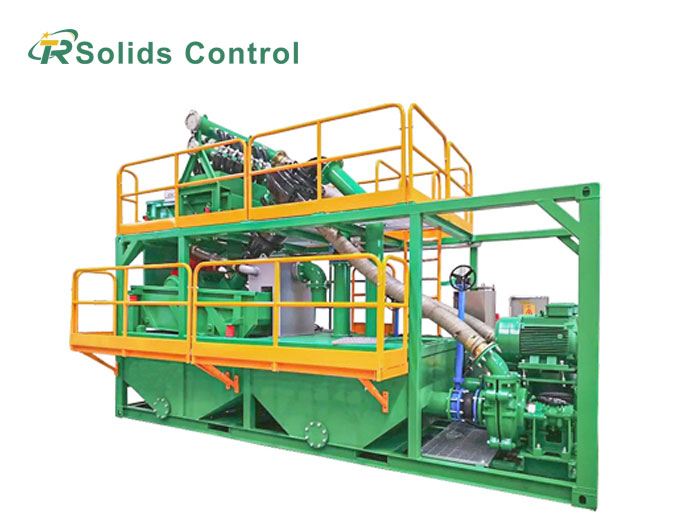
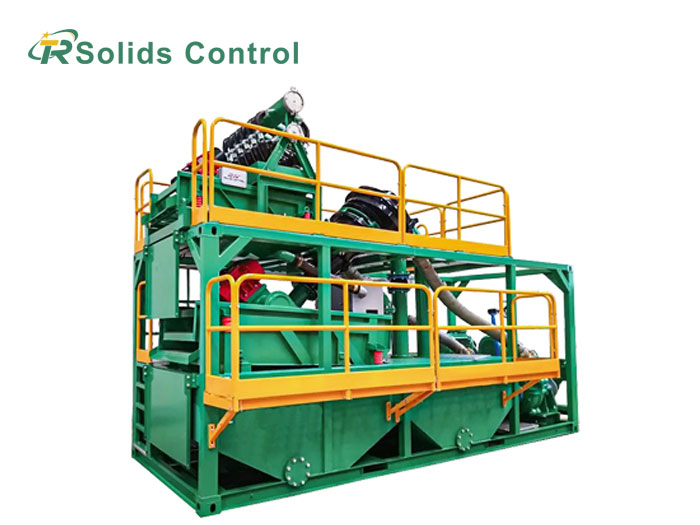
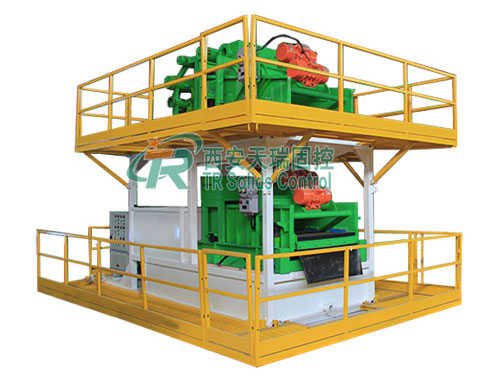
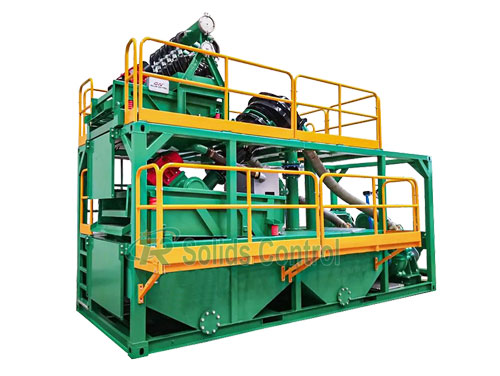
On slurry-shield TBM projects, the slurry returning from the cutting chamber carries excavated cuttings and fine solids. As these solids build up, they affect the circulating slurry and increase the amount of material requiring disposal.
TBM slurry separation systems process the returned slurry through coarse screening, desanding, desilting and, where required, centrifugation. The treated slurry can return to the TBM circulation system, while separated solids are discharged for collection or further handling. Chemical dosing can be added when ultra-fine solids build up after repeated circulation or when aged and spent slurry requires further treatment.
Multiple system capacities: Models are available from 120 to 3,000 m³/h for different slurry flow requirements.
Fine-solid separation: Decanter centrifugation provides further separation and dewatering after hydrocyclone treatment.
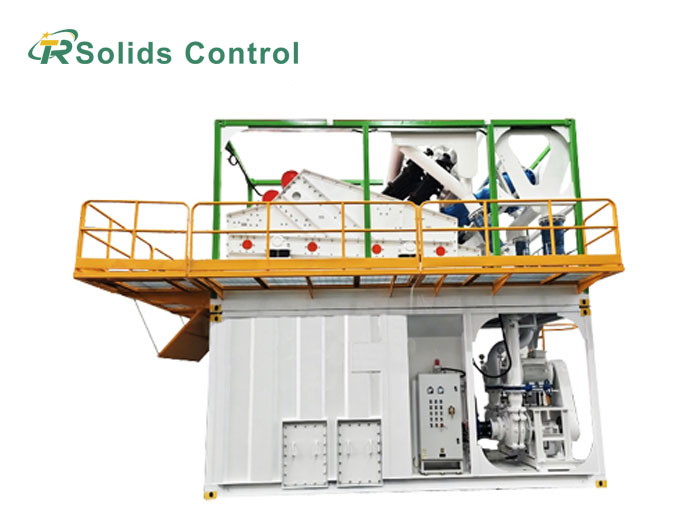
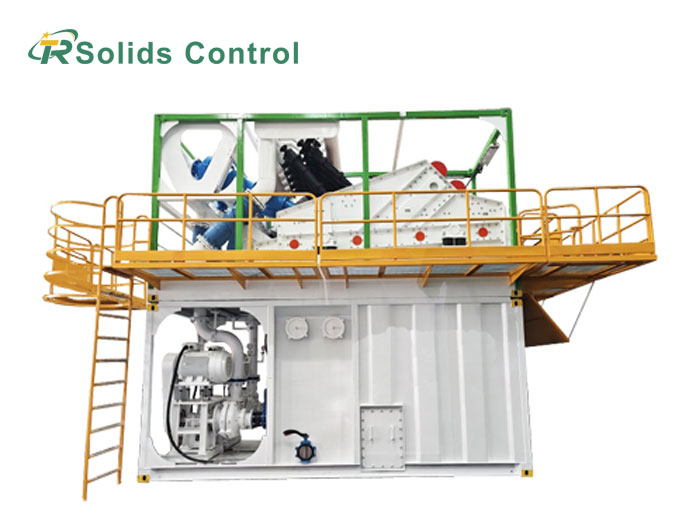
Modular system layout: Equipment can be arranged in modular or containerized configurations for confined sites and projects requiring relocation.
Project-based configuration: Equipment selection can be matched to slurry flow, solids load, ground conditions and available site space.
| Model | Maximum Slurry Flow |
| TRTBM-120B | 120 m³/h |
| TRTBM-260B | 260 m³/h |
| TRTBM-360B | 360 m³/h |
| TRTBM-500B | 500 m³/h |
| TRTBM-1000B | 1,000 m³/h |
| TRTBM-1500B | 1,500 m³/h |
| TRTBM-2000B | 2,000 m³/h |
| TRTBM-2500B | 2,500 m³/h |
| TRTBM-3000B | 3,000 m³/h |
System sizing is based on slurry return flow, solids loading, ground conditions and available site space. Equipment selection also depends on the required separation stages and slurry characteristics.


1. Coarse Screening
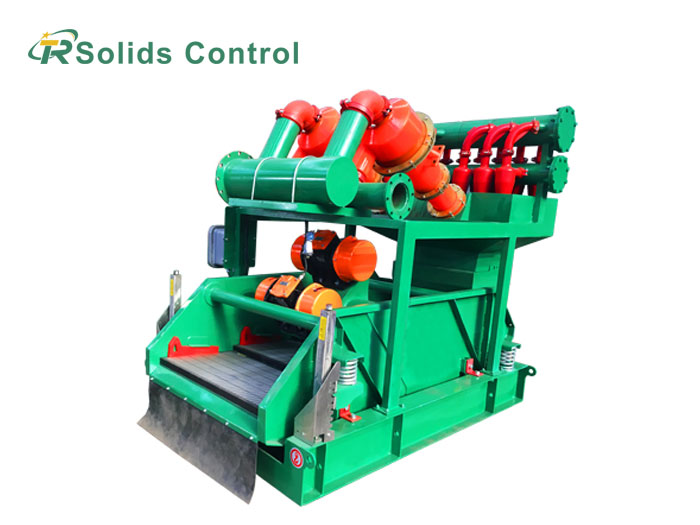
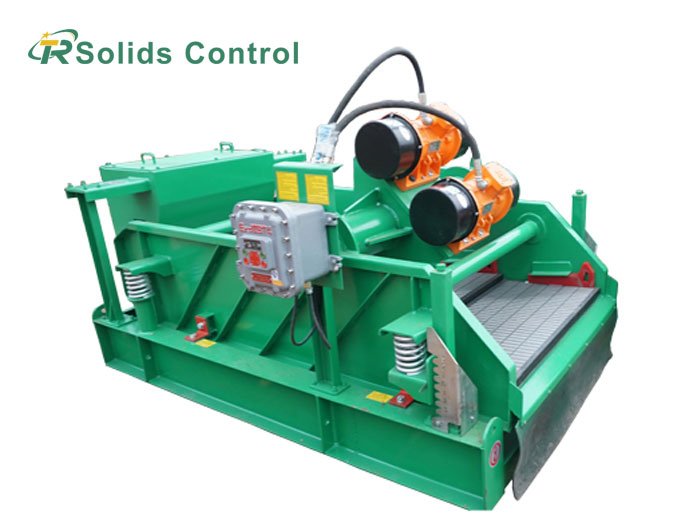
Returned TBM slurry enters the coarse shale shaker. Rocks, gravel and other large excavated solids are removed before the slurry enters the hydrocyclone stages.
2. Desanding
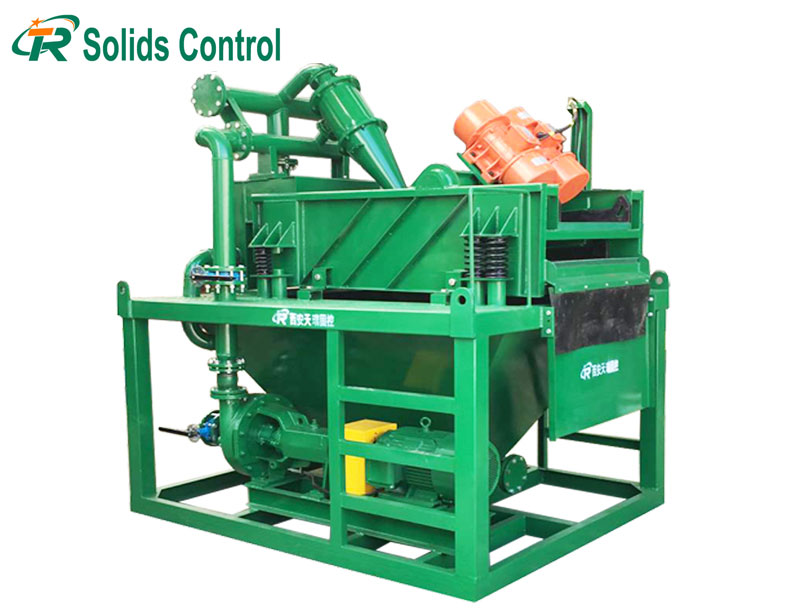
A centrifugal pump feeds the screened slurry to the desander hydrocyclones. Sand-sized solids are separated from the slurry. The cyclone underflow is discharged to a dewatering shaker for further solids handling.
3. Desilting
The slurry then passes through the desilter hydrocyclones. Fine solids are separated at an approximate cut size of 20 μm. The separated solids are discharged to a dewatering shaker.
4. Fine-Solid Separation
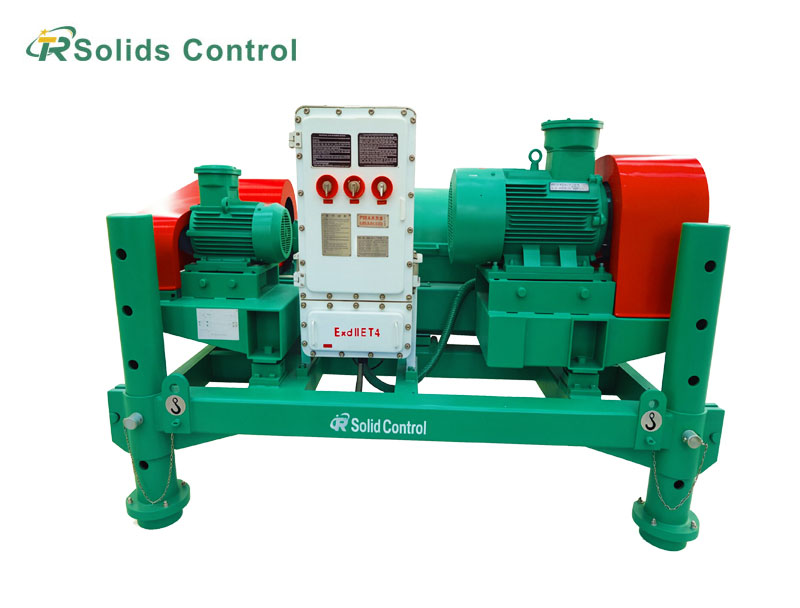
Where finer separation is required, a large-bowl decanter centrifuge provides additional fine-solid separation and dewatering. Separation can reach approximately 2–5 μm depending on slurry conditions.
If fine solids build up after repeated circulation, chemical dosing can be combined with the decanter centrifuge for further separation. The clarified slurry can then return to the TBM circulation system or undergo further treatment before discharge.
TR supplies large-bowl decanter centrifuges for TBM and pipe-jacking slurry treatment. Options include the TRLW553C-VFD with a 550 mm bowl and the TRLW764A-VFD with a 760 mm bowl.
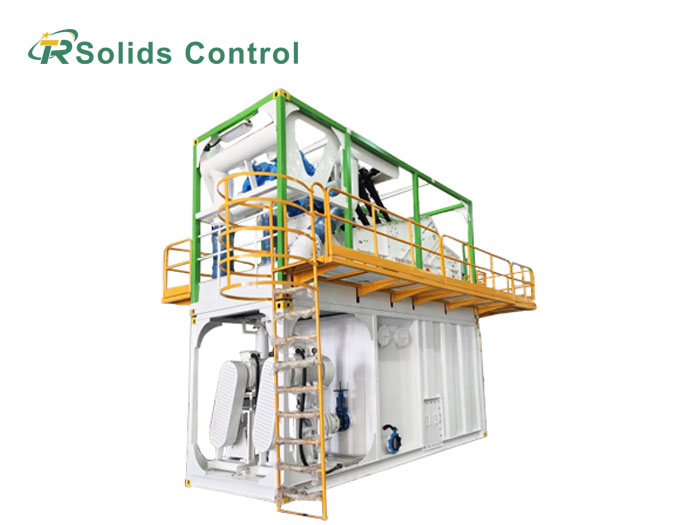
For sites with limited space, the chemical dosing unit and decanter centrifuge can be arranged in a stacked containerized package. The dosing unit is positioned below the centrifuge. This stacked layout can be tailored to site constraints and transport requirements.
Slurry tanks, transfer pumps and connecting pipelines can also be integrated to match the TBM slurry circulation layout and project requirements.
| Single module processing capacity | |||
| Maximum mud processing capacity reaches | 120m³/h | Total installed power | 82.8kw |
| Separation particle size for purification and sand removal | d50=0.074mm | Maximum moisture content of undersize | 30% |
| Coarse Shale shaker | TRDGS900 | Power | 2.2kwx2 |
| Fine Shale shaker | TRDG700 | Power | 1.94kw x2 |
| Desanding pump flow | 120m³/h | Motor power | 37kw |
| Desilting pump flow | 120m³/h | Motor power | 37kw |
| Desanding cyclone | 12 inches | Number of desanding cyclones | 2 |
| Desilting cyclone | 4 inches | Number of desilting cyclones | 8 |
| Equipment dimensions (length x width x height) | 6.5mx2.5mx7m | Overall machine weight | 10t (approx.) |
| Solid content less than | 30% | Maximum specific gravity of slurry that can be treated is less than | 1.25g/cm³(±.1) |
Configurations can be adapted for hot, dusty and humid working environments.
Electrical and equipment specifications can be selected for local power supply, site conditions and hazardous-area requirements where applicable.
The system can be configured for sand, silt and mixed ground conditions according to the characteristics of the returned slurry.
Slurry shield TBM tunneling
Metro and urban rail projects
Pipe jacking and microtunneling
Utility tunneling and underground pipeline installation
How is a TBM slurry separation system sized?
It is selected according to slurry return flow, solids load, ground conditions and available site footprint.
What slurry density can the system handle?
The 120 m³/h reference configuration is specified for slurry below 1.25 g/cm³. The applicable range for a complete system depends on the final configuration and slurry conditions.
TR manufactures shale shakers, hydrocyclone separation equipment, centrifugal pumps and large-bowl decanter centrifuges for TBM and trenchless slurry treatment.
System assembly and testing are carried out according to the selected capacity, slurry characteristics and site layout.
TR operates under an API Q1 and ISO 9001 quality management system. CE documentation can be provided where required for the destination market.

Address: No.2 Huochang Road, Yangling District,Xianyang City, Shaanxi Province, China
Tel: +86-18509252400
Wechat: 18509252400
Email: info@mudsolidscontrol.com
Contact: Mr.Li
 +86-18509252400