Contact Person: Mr.Li
Mobile: +86-18509252400
Wechat: 18509252400
Email: info@mudsolidscontrol.com
Address: No.2 Huochang Road, Yangling District,Xianyang City, Shaanxi Province, China
A practical starting point is to size an HDD mud recycling system at around 1.5 to 2 times your mud pump's maximum output. A rig pumping 200 gpm lands at 300 gpm minimum, and 350 to 400 gpm gives more operating margin. Pump flow picks the size class. The bore, the ground and the solids decide what goes inside it.
The HDD mud recycling system, also called a mud reclaimer or mud recovery system, cleans the fluid coming back out of the bore so it can be pumped back down instead of hauled off. Sizing one comes down to matching two things: the flow you have to process, and the solids riding in it.
Most buyers start by asking for "a 500 gpm system." That is where it tends to go wrong. Two quotes can both say 500 gpm and describe machines that behave very differently on site, because the headline number only tells you how much fluid the package can pass. It tells you nothing about the amount of solids it can remove.
Take the mud pump's maximum output, not the rate it runs at on a normal day. Multiply by 1.5 to 2. That is the cleaning capacity to shop for. Trenchless Technology recommends at least 1.5 times maximum pumping capacity, and Vermeer gives a 2-to-1 example for a two-pass recycling setup.
| Mud pump max output | Approx. metric | Recycler cleaning capacity |
| 100 gpm | 23 m³/h | 150–200 gpm |
| 200 gpm | 45 m³/h | 300–400 gpm |
| 300 gpm | 68 m³/h | 450–600 gpm |
| 500 gpm | 114 m³/h | 750–1000 gpm |
Rule of thumb from the HDD supply side, not a specification.
The margin is not slack. HDD fluid has to carry cuttings through a long, mostly horizontal bore and still hold the properties that keep the hole stable. When returns arrive carrying more solids than usual, a recycler running at its limit has very little room left.
Returns are not steady either. They come in slugs, and a recycler sized exactly to pump rate has nothing in hand when one lands.
Where you land in that range depends on the job. Work toward the top when the ream is large, the ground is sandy, or the crossing keeps the fluid in the hole most of the day.
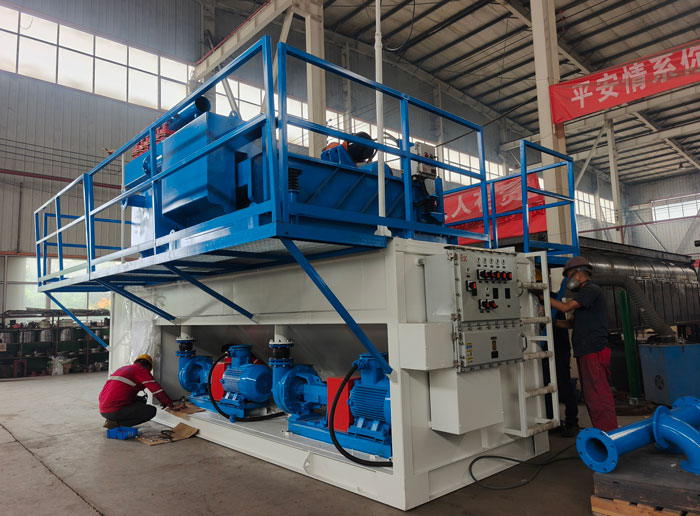
The pilot is the easy part. Most of the material shows up later, when the bore is opened to full size. A 16 in final bore holds about seven times the volume of a 6 in pilot over the same distance, which means the reaming passes remove roughly six times more formation than the pilot did.
That is the mistake worth avoiding. Contractors picture the pilot hole and size for it, then spend the reaming passes watching the shaker fall behind.
If the ground changes along the line, size for the worst stretch. A package built around the clean clay section will struggle the day the reamer reaches sand.
So when you send bore dimensions, send three: pilot diameter, the reaming steps, and the final bore. "16 inch bore" on its own is not enough to size anything.
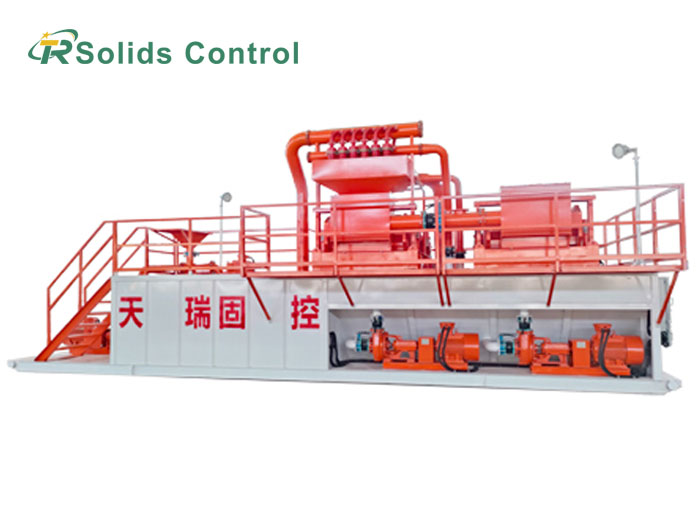
Tank count usually tracks capacity. Up to about 350 gpm, two tanks and a two-stage package are common: the scalping shaker takes the coarse cut and the desilter cones take the fine sand. Above roughly 400 gpm, a third tank and a desanding stage come in.
If two quotes show different tank counts at the same headline gpm, that is a genuine difference in what you are being sold. Ask what each stage is doing.
This is the stage most often oversold. A decanter centrifuge takes out the finest fraction, but on a bentonite system it takes out bentonite too, and bentonite is what you are paying to keep in circulation. A centrifuge on the quote sheet to make the mud look cleaner is money in the wrong place.
It starts to make sense when fine solids keep building up across shifts, when the same fluid is recycled for weeks, or when a disposal limit sets a solids target. On a bentonite job that trade-off is real: every point of fine solids you pull out takes some drilling fluid with it.
Tank volume buys holding capacity and a reserve for fluid lost into the formation. It does not buy separation. A larger tank behind a small shaker gives you more dirty fluid, held for longer.
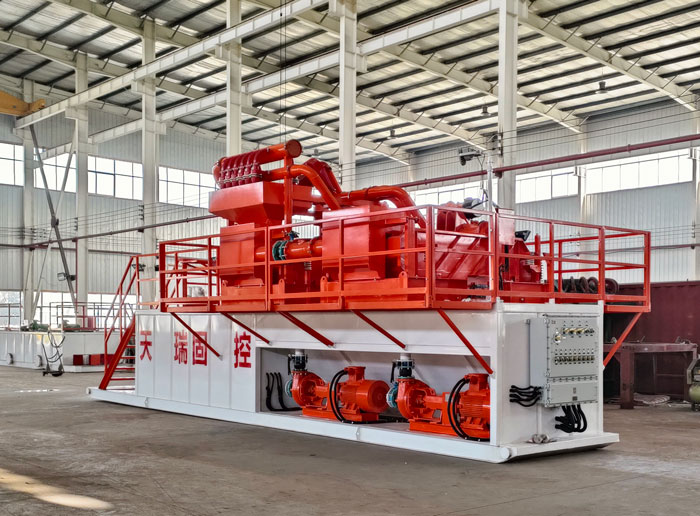
Compact and mid-size rigs, utility and service work, shorter crossings. Solids load is usually moderate and a two-tank package covers it. Move up if the ground is sandier than the bore length suggests.
Mid-size to large rigs on road and river crossings, with reams somewhere in the 12 to 24 in range. Three tanks start to make sense here, and the formation decides whether desanding earns its place.
Large crossings, long bores, often more than one pump feeding the hole. At this level the whole train has to hold together: shaker area, cone count, pump head, tank volume. Any weak stage shows up as fines building in the active system and fluid properties drifting across the shift.
Once you have a size class in mind, it is worth seeing how the configurations differ. HDD mud recycling system covers the arrangements that sit behind each capacity class.
Two quotes at the same gpm can sit a long way apart. Check what the number covers:
Cleaning capacity in gpm and m³/h, and whether that is the shaker alone or the whole train
Shaker screen area, and the mesh range the screens cover
Number and size of the cones, and which stage each set serves
Pump flow and head, and which duty each pump covers
Working tank volume
Whether a centrifuge is included, and which fluid it is meant to run on
One question is worth asking every supplier: what formation and solids load was this configuration built for? A gpm figure cannot answer that, and a supplier who knows the job can.
Normal and maximum mud flow
Pilot diameter, reaming steps, final bore
Approximate crossing length
Formation: clay, sand, gravel, rock or mixed
Expected solids load, if you have figures from a similar job
Mud type
Whether you need basic recycling or finer solids control
Send those seven and you get a recommendation that names a configuration. Send "we need a 500 gpm system" and you get a price, plus whatever the supplier assumed about your ground.
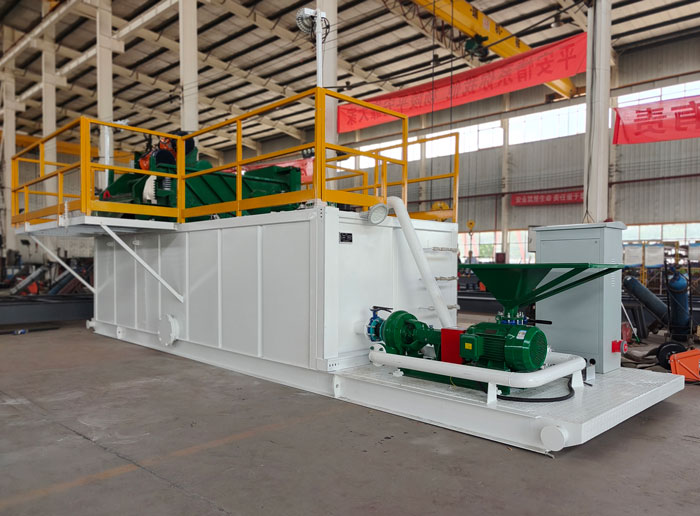
A TR Solids Control HDD project shows how the numbers sit together in practice:
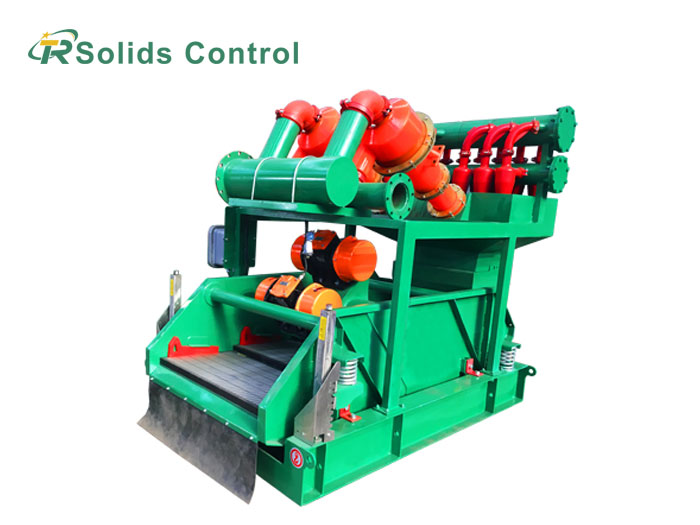
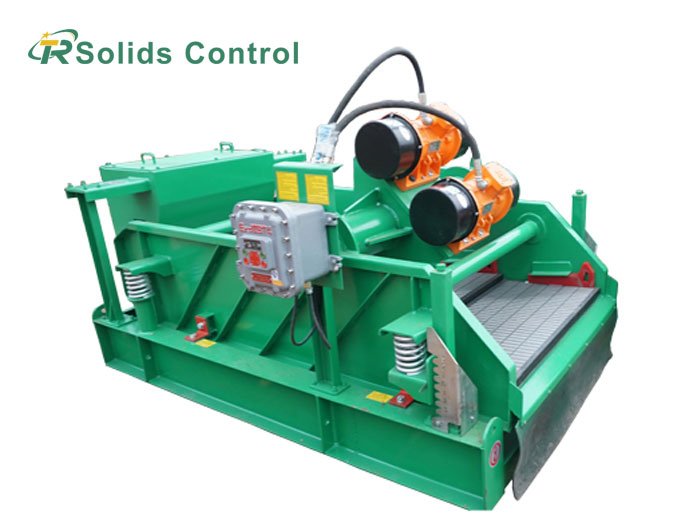
Shale shaker: 136 m³/h, about 600 gpm
Desander and desilter cones: 120 m³/h, about 530 gpm
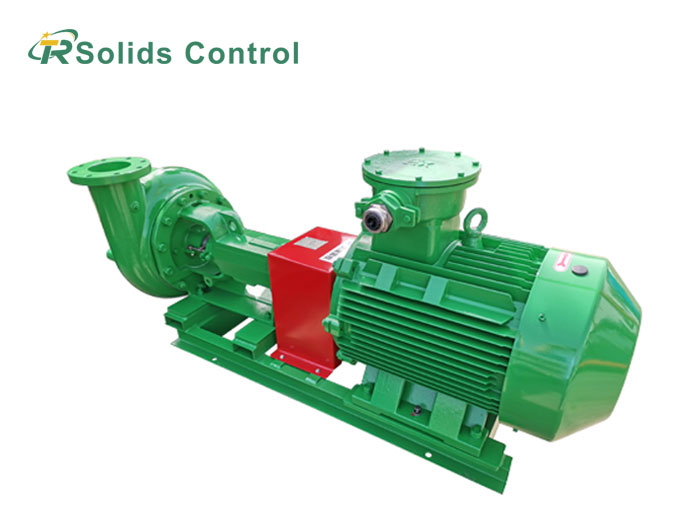
Centrifugal pumps: two units at 112 m³/h each, 37 m head
Mud tank: 6000 × 2000 × 1800 mm
The shaker rating sits above the hydrocyclone flow, which is normal: the two units do different jobs in the same loop. The pump figure looks out of step with the shaker for the same reason, since feed, mixing and transfer are separate duties rather than one shared flow.
No single number here defines the package. What matters is whether all four are matched to the same circulation rate and the same solids load.
The HDD mud recycling system project write-up has the full specification.

Address: No.2 Huochang Road, Yangling District,Xianyang City, Shaanxi Province, China
Tel: +86-18509252400
Wechat: 18509252400
Email: info@mudsolidscontrol.com
Contact: Mr.Li
 +86-18509252400