Contact Person: Mr.Li
Mobile: +86-18509252400
Wechat: 18509252400
Email: info@mudsolidscontrol.com
Address: No.2 Huochang Road, Yangling District,Xianyang City, Shaanxi Province, China
A worn or illegible shaker screen part number does not necessarily mean the panel is unidentifiable. Start with the shaker it came from, then check the panel's physical fit and screening specification. These details give the supplier a starting point for identifying a replacement.
Two panels can sit side by side looking identical and still differ in frame height, locking arrangement, or the mesh bonded to the frame. A panel that does not seat correctly can leave gaps between the screen and basket. Drilling fluid and cuttings may then bypass the screening surface.
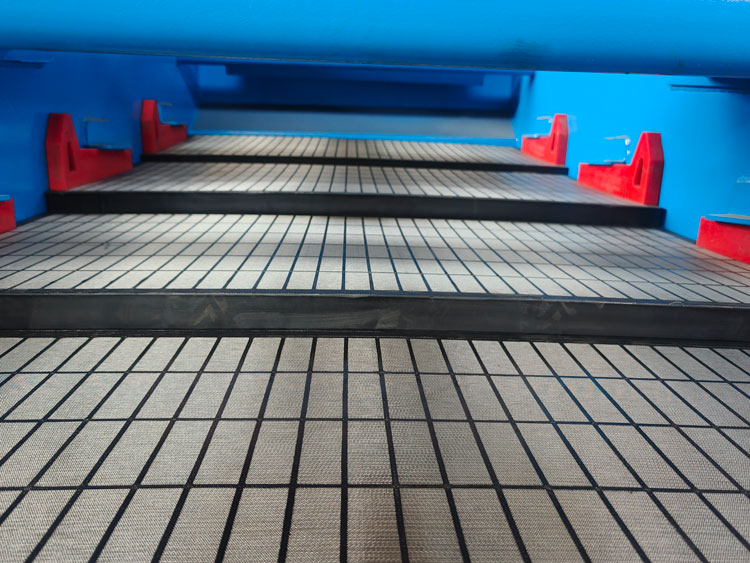
Read the equipment nameplate first, looking for the manufacturer and model. Then go through the paperwork the rig already holds: old purchase orders, spare parts lists, equipment drawings, and supplier quotations.
An old purchase order or spare parts list may still show the original part number or screen specification.
Older shakers deserve more attention. Baskets may have been modified in the field, and the previous operator may have bought panels from a supplier other than the shaker manufacturer.
If the nameplate is missing or unreadable, note how many panels the basket takes and how they are held down. The panel layout and hold-down arrangement may help identify the shaker series.
Photograph the shaker, the empty basket, and the screen while it is still installed, before you pull anything. Record any label or stamping that survives, even if only part of it is legible.
Pull the screen and lay it flat. Measure the complete assembly, frame included, rather than just the exposed mesh area. Record the overall length, width, and frame height in millimeters.
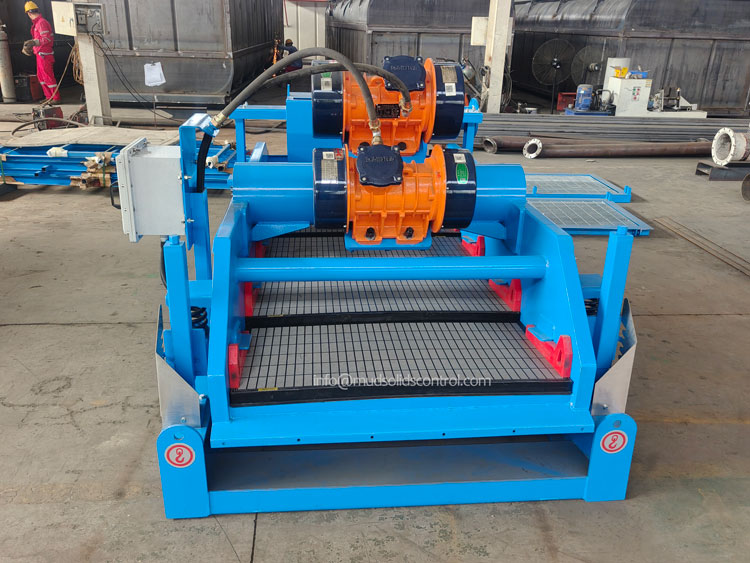
Note the panel profile as well. Flat, corrugated, and pyramid panels with the same footprint may not seat the same way in a basket.
Check the tensioning or locking arrangement first. Also look at the surfaces that rest against the basket and any locating features molded into the frame.
Check the dimensions and locking arrangement together. A panel may have the right footprint but still fail to seat properly.
If no original drawing is available, compare the panel with the shaker screens listed by the supplier. Ask the supplier to confirm the fit for your specific shaker model before placing an order.
When the first replacement panel arrives, check that it seats correctly and engages the locking system as intended before installing the full batch. If the panel rocks, sits unevenly, or leaves visible gaps, check the fit before installing the rest.
A panel that fits the basket can still be the wrong choice for the drilling section. Check any remaining API marking, then search the purchase records and technical documents for the designation the rig has been running.
If you find part of the marking, compare it with the original purchase records or technical documents. If you are considering an alternative screen, ask the supplier to confirm its API designation, D100 cut point, and conductance where applicable.
Mesh count alone does not tell you how two screens will perform.
Check both mechanical fit and screening specification. A screen that fits the basket may not provide the screening characteristics you need.
You do not have to recover the original part number to start an inquiry. The supplier needs enough information to check the panel's fit and screening specification.
Send as much of the following as you can:
The shaker manufacturer and model, with a photo of the nameplate, even if it is only partly legible.
Panel dimensions: overall length, width, and frame height, measured on the bare panel.
Mounting details, including the locking or tensioning arrangement, the surfaces that seal against the basket, and any locating features on the frame.
Any surviving screening information, such as a partial API marking, an old order record, or the designation the rig normally uses.
Photographs of the whole panel, both faces, the frame edges, and the locking points.
The quantity required and when the replacement screens need to be on location.
Tell the supplier if the shaker has been modified or if you do not know who supplied the original screens. Either detail could rule out a direct replacement.
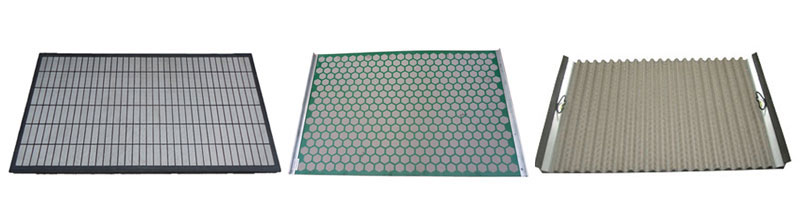
Before the order goes in, get two things confirmed: that the panel fits your basket and that its screening specification suits the drilling section.
If either is based on a guess, the problem may not become clear until the replacement screens arrive on site.
If the original part number is illegible and you are unsure which screen to use, TR Solids Control can help check the replacement options. Send the shaker model, panel dimensions, and a few clear photos of the frame and mounting points through our contact page.

Address: No.2 Huochang Road, Yangling District,Xianyang City, Shaanxi Province, China
Tel: +86-18509252400
Wechat: 18509252400
Email: info@mudsolidscontrol.com
Contact: Mr.Li
 +86-18509252400