Contact Person: Mr.Li
Mobile: +86-18509252400
Wechat: 18509252400
Email: info@mudsolidscontrol.com
Address: No.2 Huochang Road, Yangling District,Xianyang City, Shaanxi Province, China
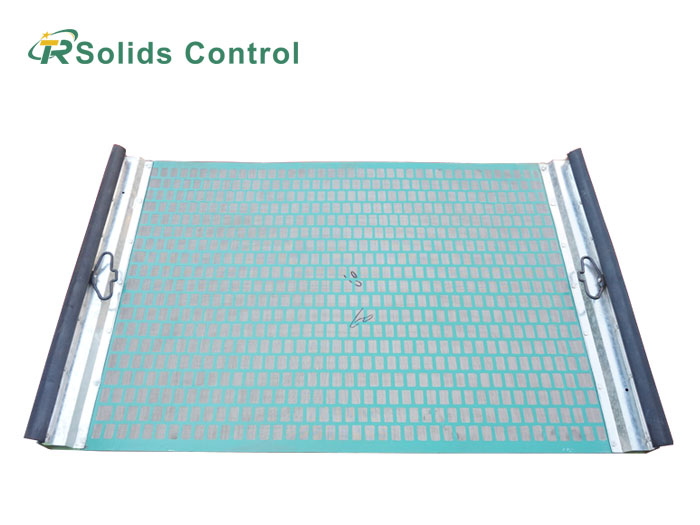
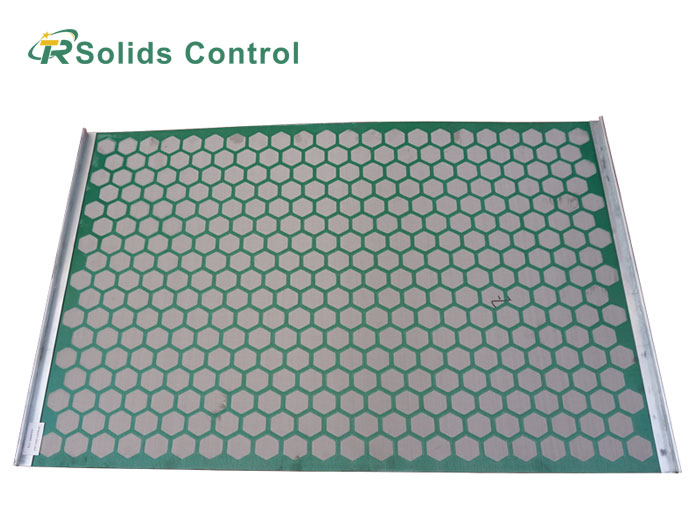
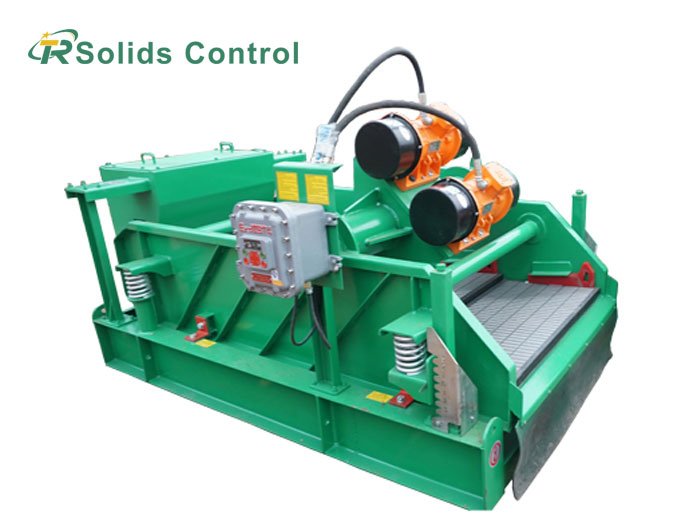
PWP screens are flat-panel shaker screens used on Derrick Flo-Line Cleaner shakers. When replacement is needed, matching the panel correctly matters because similar-looking screens are not always interchangeable. The plate carries the tension, so the panel stays flat in the deck instead of flexing under the mud load, and it is what makes a damaged PWP screen possible to patch rather than scrap.
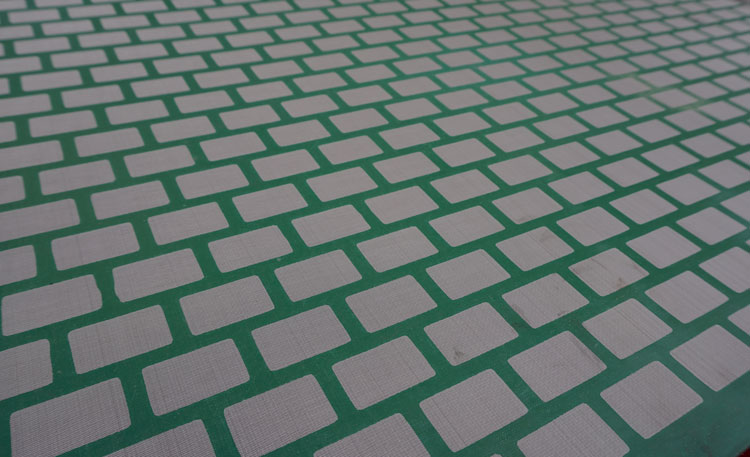
Ordering the replacement is where most of the trouble starts. FLC500 panels and FLC2000 panels are close in size, but they are not interchangeable. Shakers get sold on, baskets get rebuilt, and the panel that comes off the deck is not always the panel the shaker left the factory with. A supplier who takes your order on the model number alone can put you in front of a container of screens that will not seat.
A PWP screen should be replaced when it can no longer deliver the separation results expected on the rig.
A torn cloth layer, a hole through the backing plate, a cracked frame, or cloth lifting away from the bonded squares all mean the panel is done. It will pass solids it should be catching, and washing it will not change that.
Most panels come off sooner, on performance rather than damage. The signs show up at the shaker and in the pits:
Cuttings leaving the discharge end wetter than they did on the same mud a week ago
More fines going back to the pits, with the centrifuge working harder to hold the mud in spec
The shaker can no longer take full circulation rate without pooling at the feed
The same one or two panels blinding every shift while the rest of the deck stays open
That last one is usually a selection problem rather than a worn screen. When one panel blinds repeatedly and its neighbours stay open, the API designation is too fine for the mud and solids load going over it, and a finer replacement will make it worse. Plugging and coating look different up close and get fixed differently, so it is worth checking which one you have before you order: Why Does My Shaker Screen Blind? Causes and Fixes.
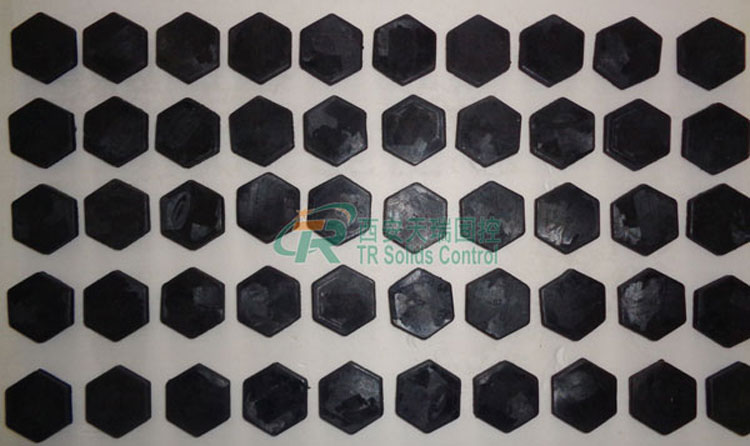
Because the cloth is bonded to a solid plate, a small hole or a short tear in one area can often be sealed with the repair plugs supplied with the panel, and the screen goes back into service. A patch holds when the damage sits in one spot and the surrounding cloth still has its tension.
Order a replacement when the tear reaches a frame edge or runs through a bonded square, when the cloth has worn thin across a wide area instead of failing at one point, or when several panels on the same deck have gone soft together. A patch that reopens on the next shift costs more than a new panel.
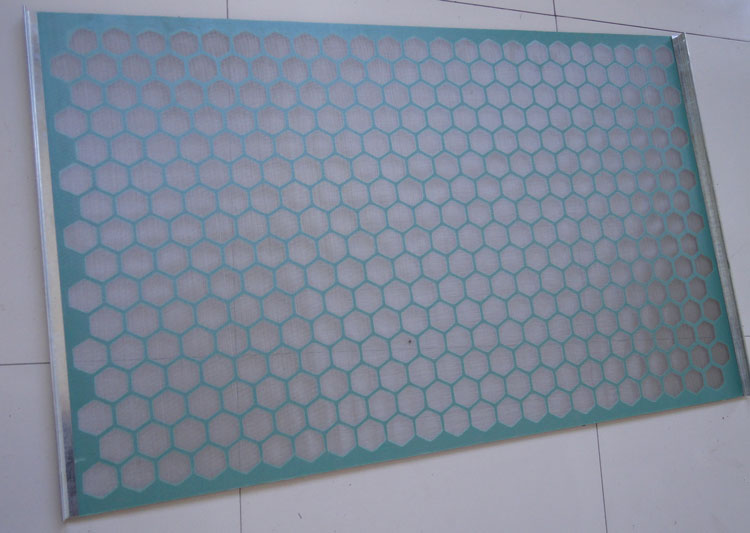
| Shale Shaker | Replacement panel | Nominal panel size | Panels per shaker |
| Derrick FLC503, FLC513 | FLC500 / 500 PWP | 1050 × 695 mm | 3 |
| Derrick FLC504, FLC514 | FLC500 / 500 PWP | 1050 × 695 mm | 4 |
| Derrick FLC2000 (3-panel and 4-panel) | FLC2000 / 48-30 PWP | PWP 1053 × 697 mm | 3 or 4 |
| Derrick 48-30 | FLC2000 / 48-30 PWP | PWP 1053 × 697 mm | per configuration |
Treat those numbers as an identification aid, not a purchase specification. Two panels can share a footprint and still fail to fit, because the basket also has to accept the panel thickness, the seal arrangement and the tensioning hardware. The FLC500 and FLC2000 sizes above differ by about 3 mm, which is close enough to fool a tape measure and far enough to stop the panel from seating.
Before you send an enquiry, measure the panel coming off. Length and width across the frame, overall thickness, and which side of the basket the tensioning bolts sit on, since FLC500 series shakers can be built for tensioning from either side. A photograph of the top and a second one of the underside answer most of the questions a supplier would otherwise ask three emails later.
Order by API RP 13C (ISO 13501) designation rather than mesh count. Mesh numbers on their own do not give you the cut point or the conductance, and two screens sold as the same mesh can behave differently once they are on the rig.
A finer panel pays off only when the shaker still has capacity to spare. If the opening is too small for the flow rate and the solids load, the panel floods at the feed or blinds, and you give up throughput you needed. The reference point worth using is the finest designation your last run held without blinding at full circulation. Start there, and go one step finer only when you are trying to take load off the hydrocyclones or the centrifuge.
Tell the supplier what mud you are running. Water-based, oil-based and weighted muds behave differently at the same designation, and a heavy weighted mud pushed through a fine panel is a common cause of early screen failure that gets blamed on screen quality.
Shaker manufacturer and model, and how many panels the deck takes
Measured length, width and thickness of the panel coming off, plus photos of the top and underside
Whether the deck runs flat panels or corrugated panels
The API designation you are running now, and what went wrong with it
Mud type and the hole section you are drilling
Quantity, destination port and when you need them on site
This matters more on export orders. A mismatch found after the container lands leaves the rig running on borrowed screens or a part-covered deck while a second shipment is made. Ten minutes with a tape measure and a phone camera avoids that.
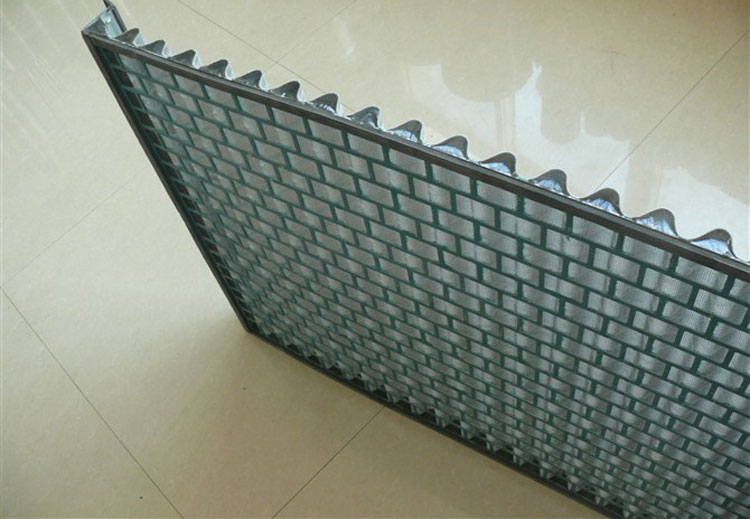
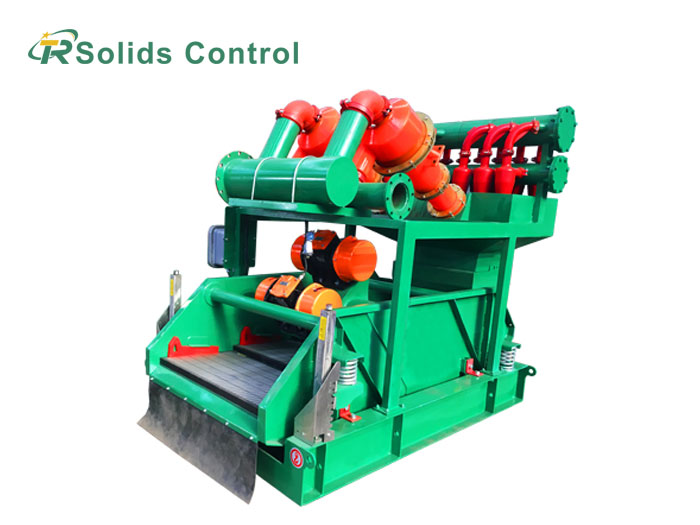
TR Solids Control manufactures replacement shaker screens and solids control equipment in Xi'an, including PWP flat panels for Derrick FLC500 and FLC2000 compatible decks. Panels are built with two or three layers of 304 or 316 stainless steel cloth on a steel backing plate and supplied to the API designation agreed for the job.
Selection is made against your shaker configuration and drilling conditions rather than the mesh number on its own, and the panel geometry gets confirmed before production starts. Send the shaker model, the measured panel and two photos, and the match is checked before anything is built.
A screen change is routine work on the rig floor. The order behind it is not. Confirm the deck the panel has to sit in and the designation your mud can carry, and the replacement will run to the end of its life instead of coming off early.

Address: No.2 Huochang Road, Yangling District,Xianyang City, Shaanxi Province, China
Tel: +86-18509252400
Wechat: 18509252400
Email: info@mudsolidscontrol.com
Contact: Mr.Li
 +86-18509252400