Contact Person: Mr.Li
Mobile: +86-18509252400
Wechat: 18509252400
Email: info@mudsolidscontrol.com
Address: No.2 Huochang Road, Yangling District,Xianyang City, Shaanxi Province, China
In drilling operations, centrifugal pumps handle tasks such as mud transfer, fluid circulation, and solids control support. These pumps often work with drilling fluids containing sand, cuttings, and other abrasive particles. Over time, continuous exposure to these solids can cause wear on internal components, especially the shaft and sealing area.
Pump shaft wear is a common maintenance concern in drilling fluid systems. A worn shaft may affect sealing performance, increase vibration, and lead to unexpected maintenance work.
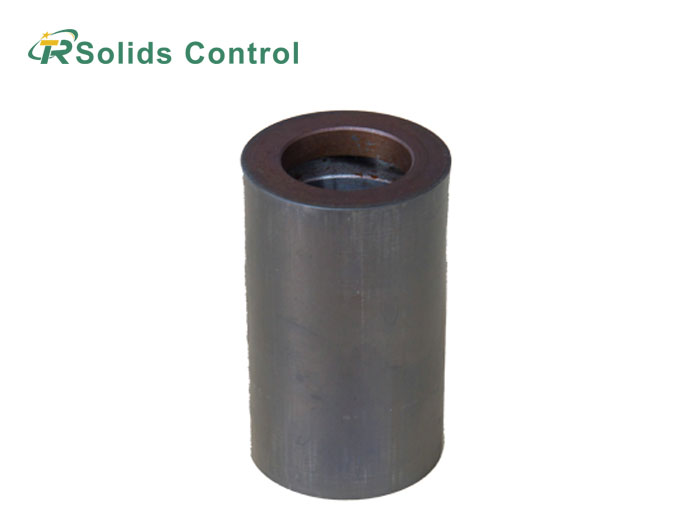
The centrifugal pump shaft sleeve is used to protect the shaft surface from direct contact with abrasive fluids. As a replaceable wear component, it allows operators to manage shaft wear more efficiently and keep centrifugal pumps running reliably in drilling and solids control applications.
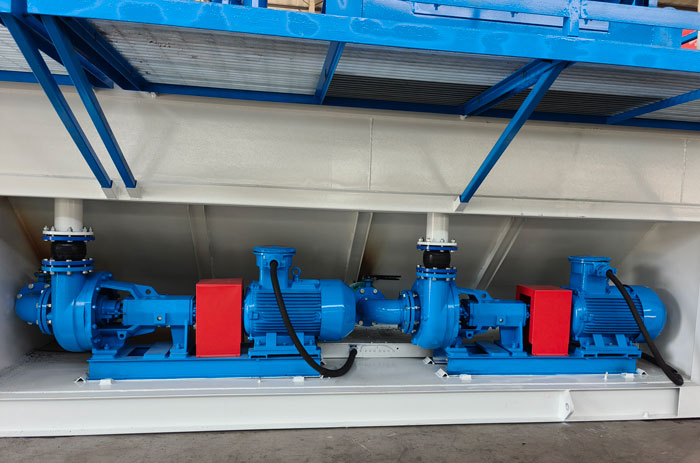
The pump shaft rotates continuously while transferring fluid through the system. In drilling applications, the fluid being handled is often more challenging than standard liquid pumping because it contains solid particles that can create constant friction inside the pump.
Sand and cuttings are two major causes of shaft wear. As these particles move through the pump, they can gradually damage surfaces around the shaft and sealing area. This type of abrasion is especially common when pumps operate for long periods without proper inspection.
The sealing area is another point that requires attention. Mechanical seals depend on a smooth shaft surface to maintain proper contact. When the shaft becomes worn, leakage may occur, and the pump may require more frequent maintenance.
Operating conditions also affect shaft service life. Problems such as incorrect alignment, excessive vibration, improper installation, or running the pump outside suitable conditions can increase stress on rotating components.
For centrifugal pumps used in drilling mud systems, identifying these causes early can reduce unnecessary repairs and improve maintenance planning.
The shaft sleeve is installed around the pump shaft to create a replaceable protective surface. Instead of allowing abrasive fluids to directly wear the shaft, the sleeve absorbs much of the contact and can be replaced when necessary.
Using a shaft sleeve for centrifugal pump applications allows maintenance teams to replace the worn sleeve rather than repair or replace the complete shaft assembly. This reduces repair complexity and helps shorten equipment downtime.
The condition of the shaft surface also affects sealing performance. A properly maintained shaft sleeve provides a smoother working surface for seals, reducing the risk of leakage caused by uneven wear.
For centrifugal pumps handling drilling mud, slurry, or other fluids with suspended solids, shaft sleeves are a practical way to manage normal wear during operation.
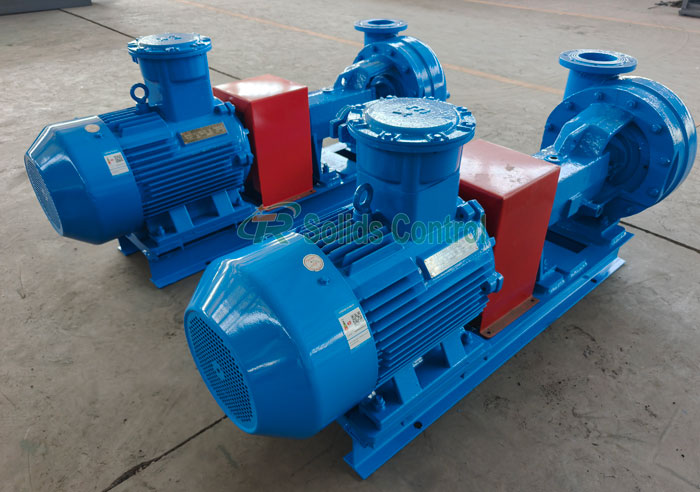
Because shaft sleeves are designed to take wear during operation, regular inspection is an important part of pump maintenance. Waiting until severe damage appears may affect other components, including the shaft and sealing system.
Operators should check the shaft sleeve condition when they notice signs such as:
Leakage around the shaft area
Increased vibration during operation
Unusual pump noise
Visible grooves, corrosion, or surface damage
Changes in pump performance
The service life of a shaft sleeve depends on several factors, including fluid conditions, solid content, pump operating hours, and maintenance practices.
In drilling operations, replacing worn components at the right time is often more cost-effective than dealing with unexpected pump failure. Using compatible centrifugal pump replacement parts also helps maintain consistent equipment operation.
Regular maintenance is essential for centrifugal pumps working with abrasive drilling fluids. A simple inspection routine can help identify wear problems before they affect the entire pumping system.
During maintenance, operators should check components such as the shaft sleeve, mechanical seals, bearings, and other rotating parts. Any signs of abnormal wear should be addressed before they develop into larger equipment issues.
Fluid management also plays an important role. Excessive solid content or poor control of drilling fluid properties can accelerate abrasion and shorten component life.
Proper installation should not be overlooked. Correct alignment reduces vibration and prevents uneven loading on rotating parts. When replacing worn components, selecting parts that match the pump model and operating conditions is important for reliable performance.
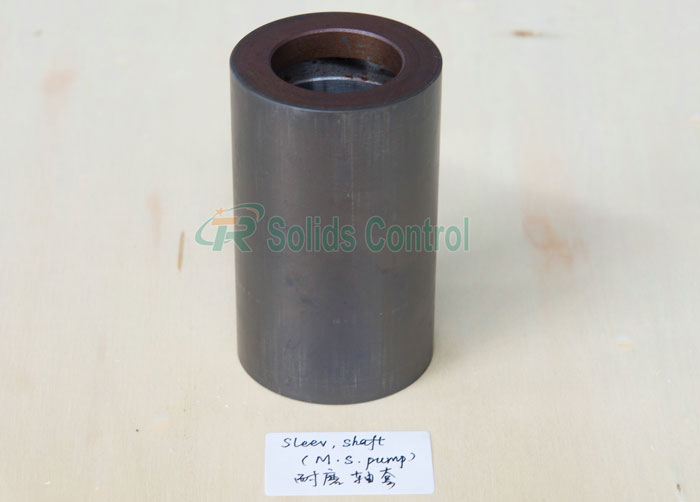
For Mission centrifugal pumps used in drilling fluid applications, suitable replacement components, including Mission pump shaft sleeve, are commonly selected based on pump design and working conditions rather than only physical dimensions.
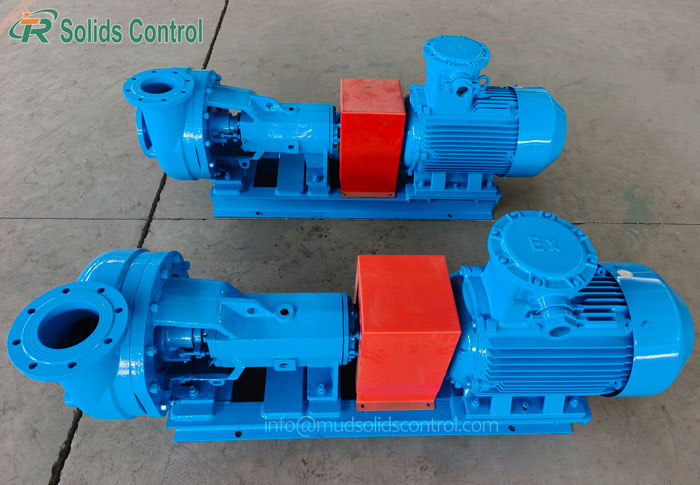
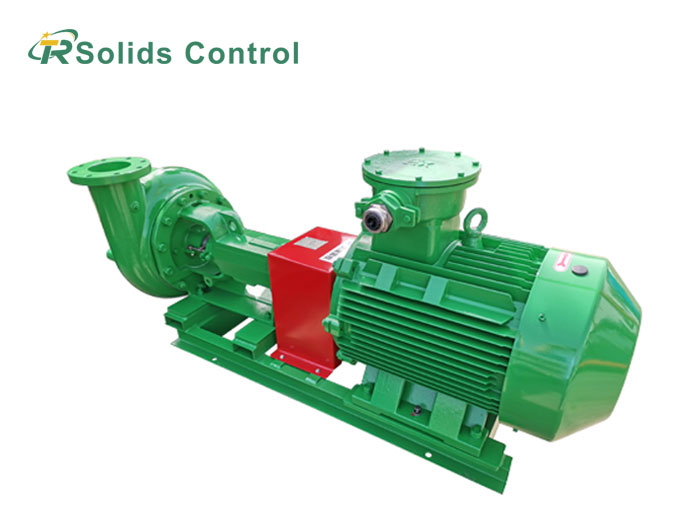
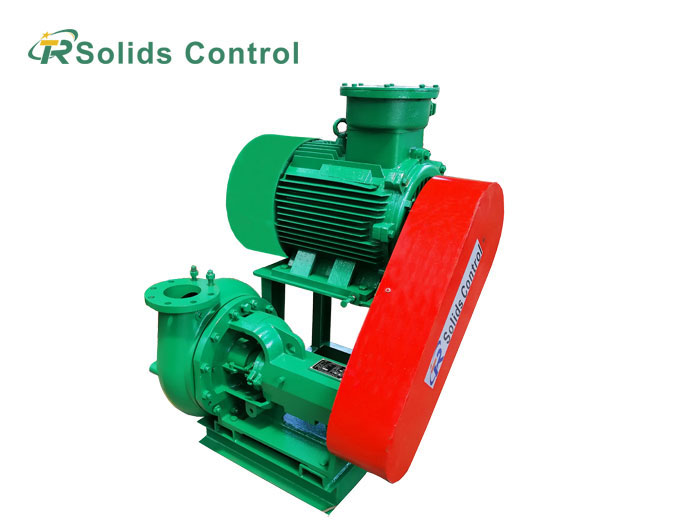
Centrifugal pumps are an important part of drilling fluid handling systems. They are used for transferring mud, supporting mixing processes, and supplying fluid flow for solids control equipment.
Because these pumps frequently handle abrasive fluids, shaft protection and routine maintenance are important considerations for long-term operation.
Common applications include:
Oil and gas drilling mud systems
Solids control equipment
Mud mixing and circulation systems
HDD mud recycling systems
Slurry transfer operations
In oilfield applications, Mission centrifugal pumps are often used in mud circulation and solids control processes. Selecting suitable replacement components, including the correct Mission pump shaft sleeve, helps maintain stable pump operation during continuous service.
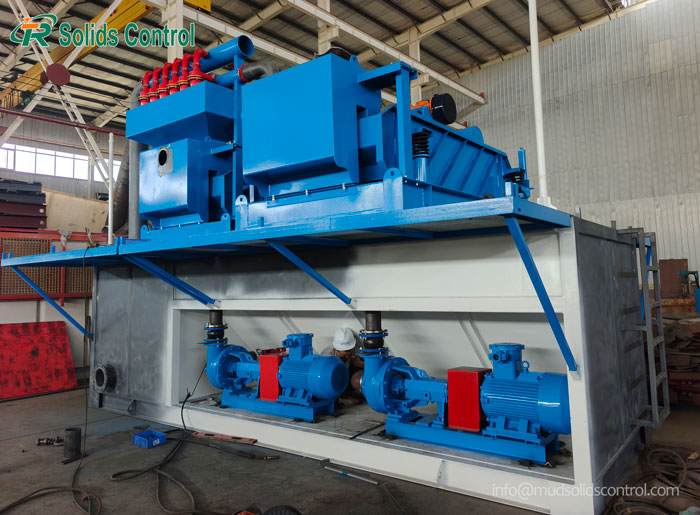
Centrifugal pump shaft wear is a common issue in drilling and solids control applications. Abrasive particles, sealing conditions, and operating practices all influence how quickly internal components wear.
A suitable centrifugal pump shaft sleeve provides a replaceable wear surface that protects the shaft and simplifies maintenance when wear occurs. By monitoring component condition, selecting compatible parts, and following proper maintenance procedures, operators can reduce downtime and maintain more reliable pump operation.
For drilling systems that rely on continuous mud circulation, understanding shaft wear and maintaining key components properly are important steps toward efficient and stable operation.

Address: No.2 Huochang Road, Yangling District,Xianyang City, Shaanxi Province, China
Tel: +86-18509252400
Wechat: 18509252400
Email: info@mudsolidscontrol.com
Contact: Mr.Li
 +86-18509252400