Contact Person: Mr.Li
Mobile: +86-18509252400
Wechat: 18509252400
Email: info@mudsolidscontrol.com
Address: No.2 Huochang Road, Yangling District,Xianyang City, Shaanxi Province, China
Whether you are installing new equipment, upgrading an existing setup, or performing routine maintenance, selecting the right Mud Shale Shaker replacement parts is essential for maintaining screening performance, reducing downtime, and improving the reliability of drilling solids control operations.
In a drilling solids control system, the shale shaker is the first-stage separation equipment after drilling fluid returns from the wellbore. It removes large drilled cuttings from drilling fluid before the fluid enters downstream equipment, including desanders, desilters, and decanter centrifuges.
A properly maintained shaker helps recover valuable drilling fluid, reduces the workload of downstream equipment, and supports stable drilling performance.
The shale shaker's working performance is determined by its design, as well as the quality and compatibility of core components such as screens, vibrator motors, springs, seals and tensioning systems.
Based on practical applications, many shaker performance issues are caused by incorrect part selection, worn components, or unsuitable replacements rather than equipment structure problems. Choosing the correct replacement parts according to the shaker model and working conditions can help minimize maintenance time, extend service life, and improve overall solids control efficiency.
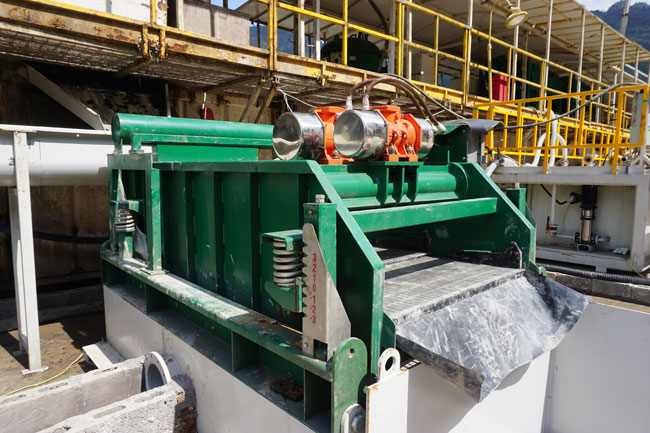
The shale shaker plays a critical role in the first stage of drilling fluid cleaning. Its performance directly affects the efficiency of the complete solids control process.
Among all shaker components, the shaker screen is the most frequently replaced wear part because it directly controls solids separation efficiency and drilling fluid recovery.
In many field operations, common shaker problems are often related to component wear or improper replacement selection. For example, an unsuitable screen specification may reduce separation efficiency and increase drilling fluid loss. Incorrect vibration motor parameters can affect vibration performance, while damaged springs or sealing components may cause unstable operation and drilling fluid leakage.
Common Drilling Shale Shaker components
| Component | Function | Maintenance Frequency |
| Shaker Screen | Separates drilled solids from drilling fluid and determines screening performance | High |
| Vibrator Motor | Generates vibration force for shaker operation | Medium |
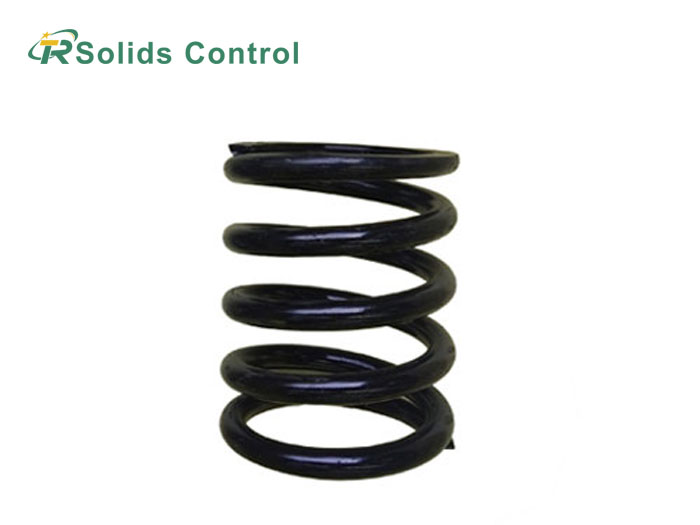
| Spring | Supports the shaker basket and maintains stable vibration | Medium |
| Feed Box | Distributes drilling fluid evenly across the screen surface | Low |
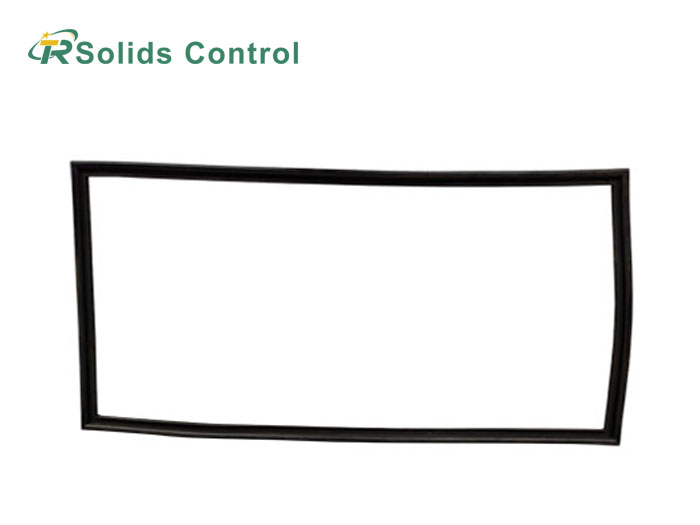
| Seal / Gasket | Prevents drilling fluid leakage and bypass flow | High |
| Tensioning System | Secures shaker screens and maintains proper tension | Low |
In field operations, the wrong replacement part can create problems that are often overlooked. A screen with an unsuitable API designation may increase fluid loss, while a worn spring can affect vibration stability and accelerate screen damage.
Improve drilling fluid separation performance;
Increase drilling fluid recovery rate;
Reduce the workload of downstream solids control equipment;
Minimize equipment downtime;
Lower long-term maintenance costs.
For continuous drilling operations, reliable spare parts are not only important for individual shaker performance but also for maintaining the stability of the complete solids control system.
The shaker screen is the key filtration component of Drilling Fluid Shale Shaker and one of the most critical factors affecting separation efficiency. Screen selection directly influences solids removal performance, drilling fluid recovery, processing capacity, and downstream equipment protection.
Most modern shale shaker screens are classified according to the API RP 13C standard. The correct screen selection should balance solids removal requirements and drilling fluid recovery based on actual drilling conditions.
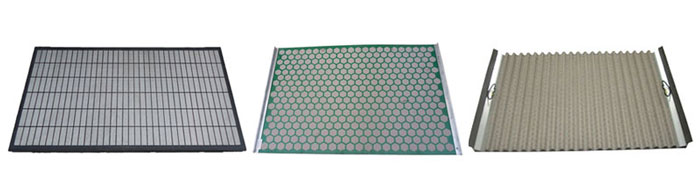
Different screen structures provide different levels of screening capacity, durability, and resistance to plugging. When selecting screens, operators should consider the shaker model, drilling fluid properties, required processing capacity, and operating environment instead of focusing only on mesh size or screen price.
Flat Screen
Flat screens feature a simple structure, uniform loading, and easy maintenance. They are suitable for conventional drilling applications where standard screening performance and cost efficiency are required.
Pyramid Screen
Pyramid screens use a three-dimensional wave-shaped surface to increase effective screening area. Compared with traditional flat screens, they provide higher processing capacity, improved solids transportation, and reduced risk of screen blockage. They are commonly used in high-flow-rate drilling operations and applications with higher-viscosity drilling fluids.
Composite Frame Screen
Composite frame screens are lightweight, corrosion-resistant, and designed for demanding drilling environments. Their advantages include better impact resistance, reduced deformation, easier handling, and longer service life, making them suitable for continuous drilling operations.
Steel Frame Screen
Steel frame screens provide strong mechanical strength and are suitable for harsh drilling conditions with heavy impact loads. However, they are heavier and require more attention to corrosion protection compared with composite frame screens.
When selecting a shaker screen structure, the best choice should be based on the shaker model, drilling fluid characteristics, required processing capacity, and operating environment rather than simply comparing one design against another.
Besides the shaker screen, other components including vibration motors, springs, seals, feed boxes, and tensioning systems also affect shale shaker performance and operating reliability.
The vibrator motor provides the vibration force required for solids separation. When selecting a replacement motor, important specifications such as voltage, frequency, explosion-proof requirements, exciting force, and compatibility with the shaker model should be confirmed. An unsuitable motor may affect vibration performance, reduce screening efficiency, or cause unstable operation.
The spring system supports the shaker basket and absorbs vibration during operation. Worn or damaged springs can lead to uneven vibration, improper screen loading, and shorter screen service life. For better equipment balance, springs should generally be replaced as a complete set rather than individually.
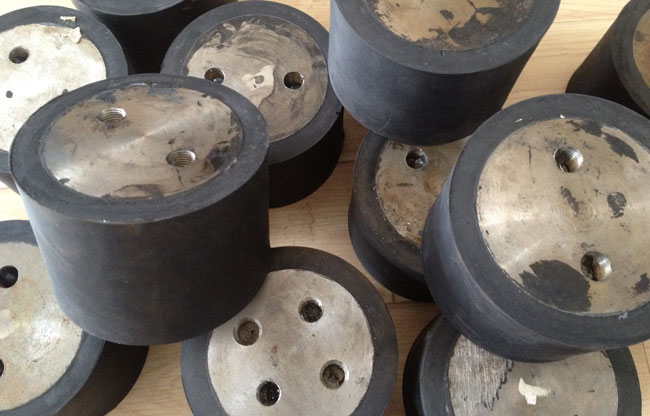
Although shaker screens receive the most attention, smaller components such as seals, gaskets, and tensioning systems are equally important for keeping the shaker running properly.
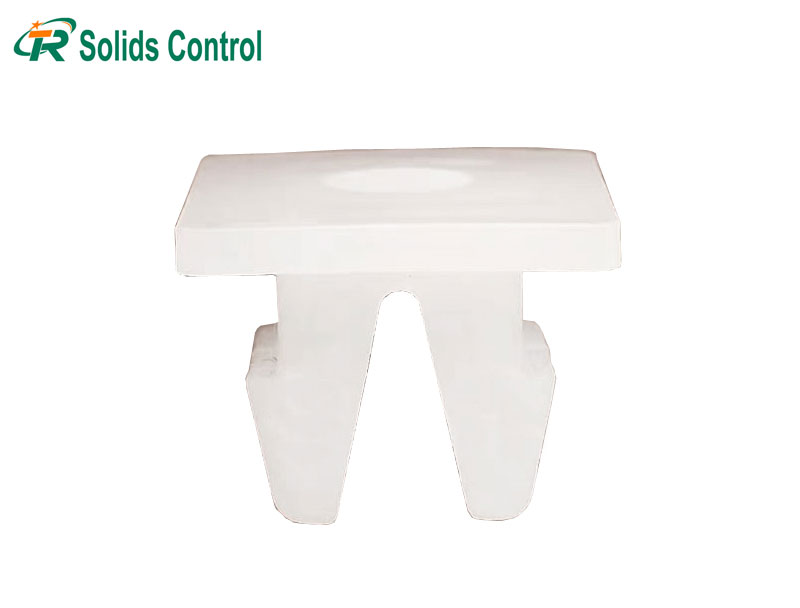
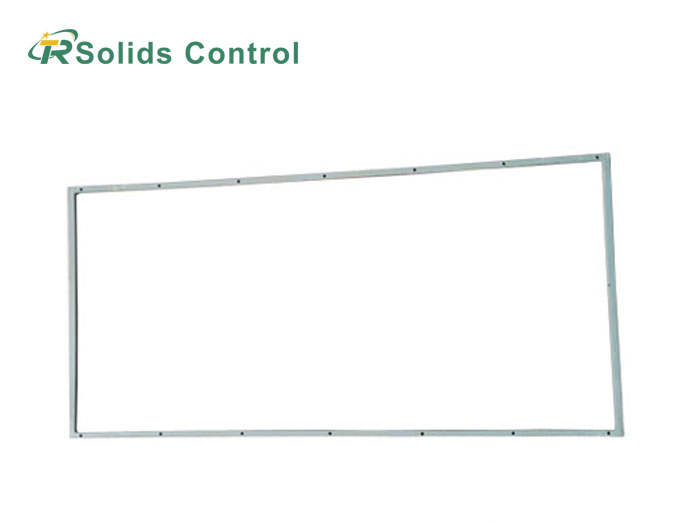
Sealing parts prevent drilling fluid leakage and bypass flow, while the tensioning system keeps the shaker screen properly secured.
The feed box helps distribute drilling fluid evenly across the screen surface, improving screen utilization and reducing uneven wear.
For high-volume drilling operations, all components should be selected according to the shaker model, drilling fluid characteristics, processing capacity, and working environment to ensure reliable long-term performance.
When purchasing shale shaker replacement parts, customers usually compare OEM components with aftermarket replacement parts.
OEM parts usually provide direct compatibility with original equipment and are suitable for projects where consistent performance and equipment reliability are the top priorities. High-quality replacement parts from experienced manufacturers can also provide reliable performance, good compatibility, and better cost efficiency for routine maintenance, equipment upgrades, and long-term operation.
Instead of focusing only on the initial purchase price, buyers should consider the overall value of the parts, including:
Compatibility with the shale shaker model;
Material quality and manufacturing process;
Compliance with industry standards;
Supplier production capability;
Technical support and after-sales service.
Choosing reliable replacement parts can reduce maintenance frequency, minimize downtime, and improve the overall operating efficiency of the solids control system.
Providing complete equipment information before purchasing replacement parts helps suppliers recommend suitable solutions and prevents problems caused by incorrect selection.
Before requesting a quotation, customers should prepare:
Shale shaker brand and model;
Required part name and quantity;
Shaker screen specification or API number;
Motor voltage, frequency, and explosion-proof requirements;
Drilling fluid type and processing capacity;
Working environment, such as land drilling, offshore drilling, HDD, or other applications.
Accurate equipment information allows suppliers to identify the correct components faster, reduce communication time, and avoid unnecessary replacement costs.
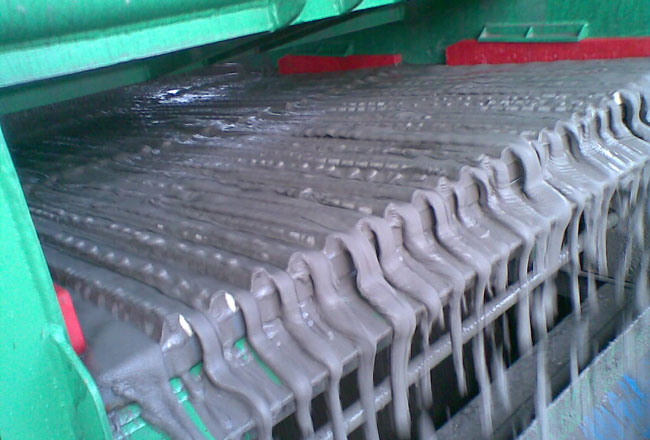
Choosing the right shale shaker replacement parts is not simply a maintenance task. It directly affects drilling fluid recovery, solids separation efficiency, and the stability of the entire solids control system.
Whether replacing shaker screens, vibration motors, springs, sealing components, or other accessories, the selection should always be based on equipment compatibility, drilling conditions, and operational requirements.
For long-term drilling projects, reliable and properly matched replacement parts can help improve screening performance, reduce maintenance costs, extend equipment service life, and ensure continuous Mud Shale Shaker operation.
Based on years of experience in solids control equipment manufacturing, TR provides replacement shaker parts for different drilling conditions. From shaker screens and vibration motors to springs and other components, TR works with customers to select suitable parts for oilfield drilling, HDD, geothermal, and other applications.

Address: No.2 Huochang Road, Yangling District,Xianyang City, Shaanxi Province, China
Tel: +86-18509252400
Wechat: 18509252400
Email: info@mudsolidscontrol.com
Contact: Mr.Li
 +86-18509252400