Contact Person: Mr.Li
Mobile: +86-18509252400
Wechat: 18509252400
Email: info@mudsolidscontrol.com
Address: No.2 Huochang Road, Yangling District,Xianyang City, Shaanxi Province, China
Drilling mud centrifugal pumps are exposed to continuous abrasive service in oilfield solids control systems. Sand, cuttings, and chemical-laden fluids pass through the pump around the clock, which naturally leads to wear on internal components.
In field use, performance issues are often linked to spare parts that do not match actual working conditions. Once the impeller, seal, or bearing starts to degrade, efficiency drops and instability appears quickly.
Incorrect or low-quality replacement parts can lead to vibration, leakage, reduced flow efficiency, and even complete pump failure. So, choosing the right spare parts is essential to maintain stable pump performance, reduce downtime, and extend equipment service life.
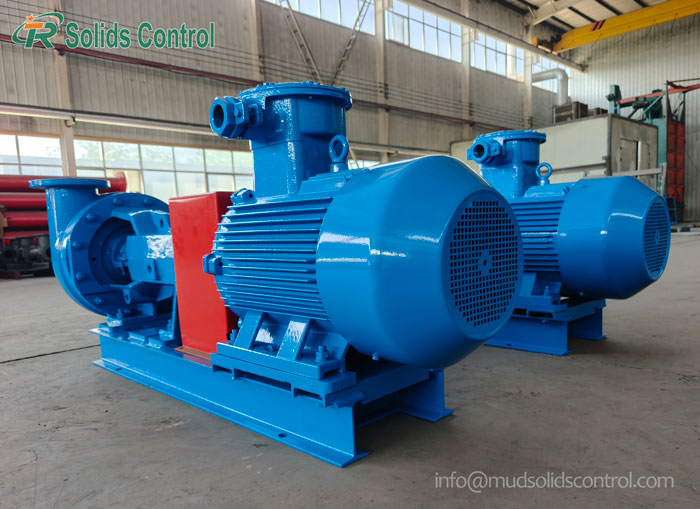
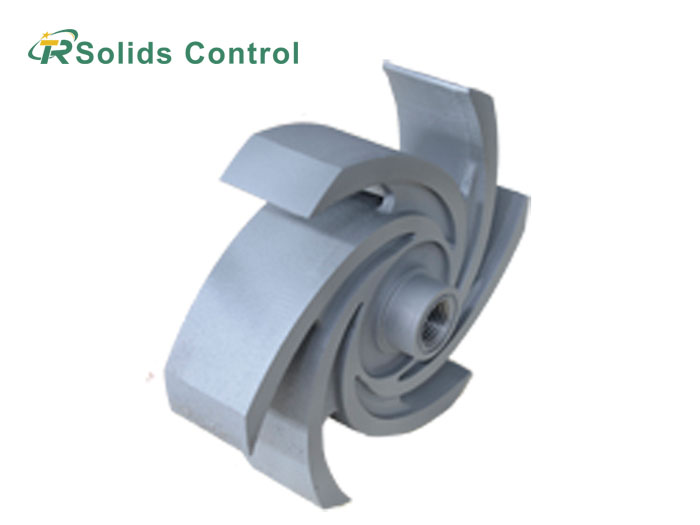
The impeller is responsible for moving the fluid and setting the hydraulic performance of the pump. In drilling service, it is constantly exposed to abrasive particles, so surface wear is expected over time.
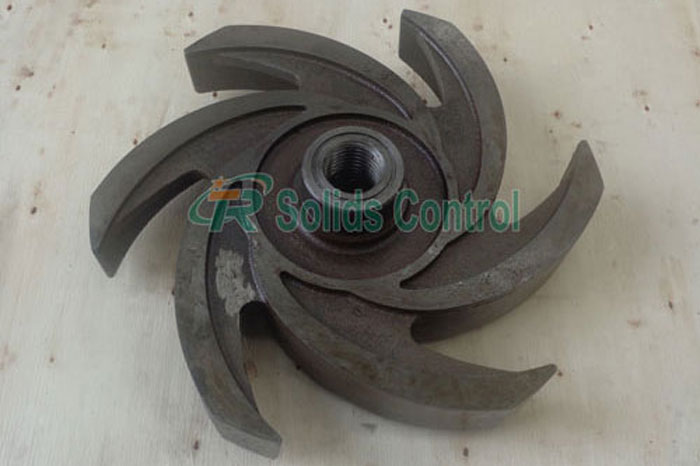
Common materials used in field applications:
High chrome alloy for high abrasion conditions
Ductile iron for general duty operation
Stainless steel for corrosive environments
In most solids control systems, High chrome alloy impellers is selected when operating conditions are not fully predictable, especially where solids content fluctuates.
The mechanical seal prevents leakage between the rotating shaft and the pump casing. It is one of the most common reasons for pump downtime in drilling operations. The sealing faces are constantly exposed to fine solids and pressure fluctuations, which gradually affects performance.
Typical materials include:
Silicon carbide
Tungsten carbide
Carbon-based materials
Double seal configurations are often selected in heavier drilling conditions where leakage risk is higher.
The pump shaft transmits mechanical power from the motor to the impeller. It must maintain high strength and precise alignment during operation.
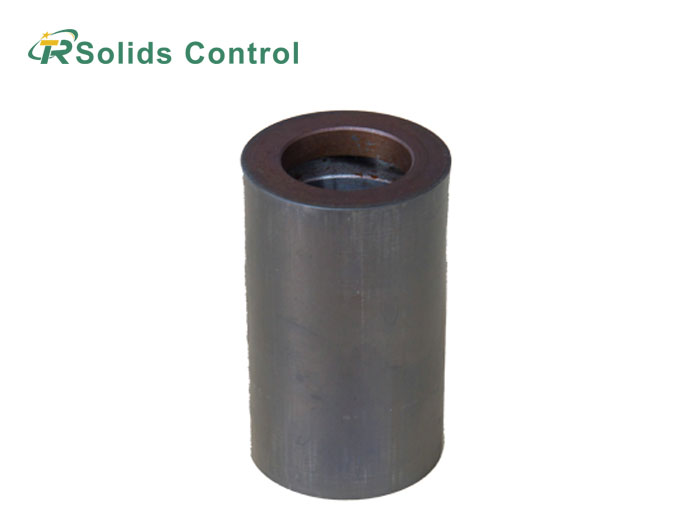
The shaft sleeve protects the shaft from direct contact with abrasive fluids, reducing wear and extending shaft life.
Materials used:
Alloy steel shaft for strength and stability
High chrome or ceramic-coated sleeves for wear protection
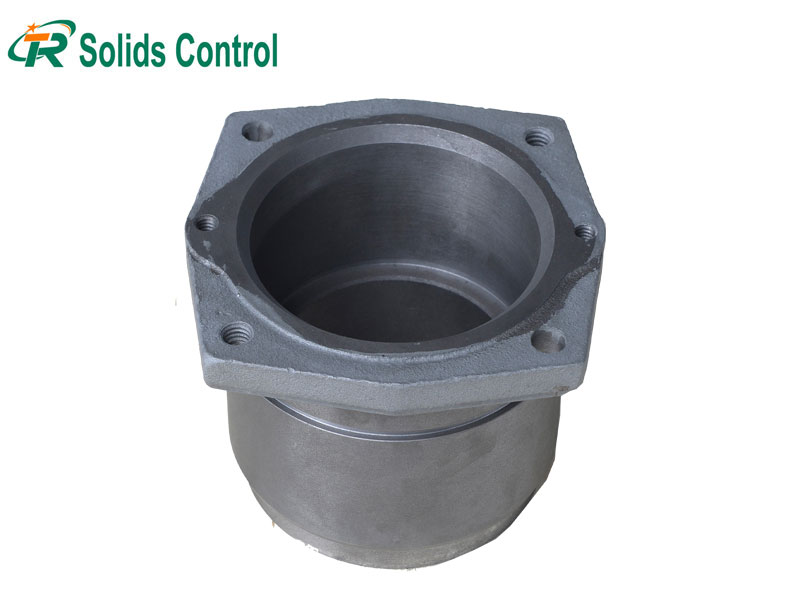
Bearings support the rotating shaft and ensure smooth, low-friction operation. In drilling mud centrifugal pumps, bearings operate under continuous load and must withstand vibration and high-speed rotation.
Key considerations include:
Load capacity
Lubrication system
Heat resistance
Sealing performance
When lubrication is inconsistent or particles enter the bearing housing, temperature rises quickly and wear accelerates.
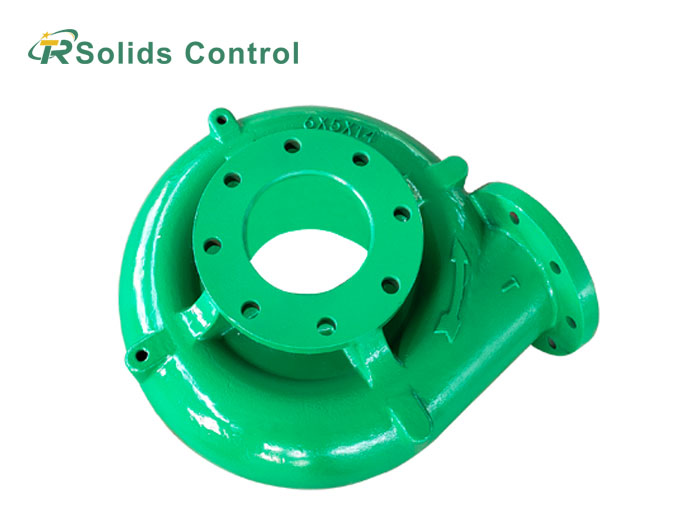
The pump casing contains and directs the flow of drilling mud. In drilling mud service, it is constantly exposed to erosion from high-velocity slurry.
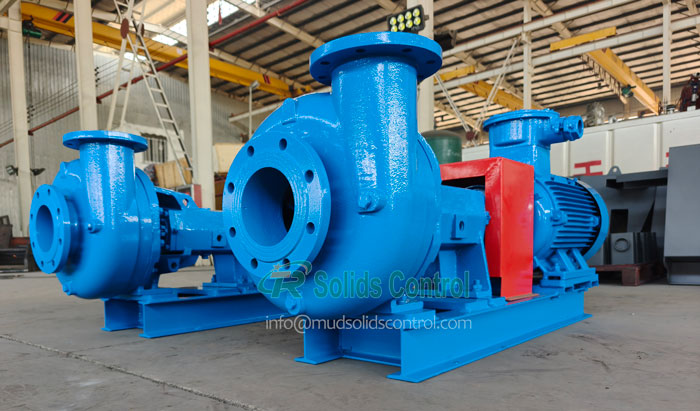
Materials commonly used:
High chrome alloy for high wear resistance
Cast iron casing with wear-resistant coating
The design of the casing also affects wear distribution and overall pump efficiency.
Selecting the correct spare parts for drilling mud centrifugal pump is not only about replacing worn components. It is about ensuring compatibility, durability, and stable performance under harsh drilling conditions.
Mud pump spare parts must match the pump model exactly. Even when parts look similar, small dimensional differences can cause issues once the pump starts running.
Different centrifugal pump series used in drilling operations may have variations in:
Impeller diameter
Shaft size
Seal structure
Bearing type
Casing design
Before purchasing spare parts, always confirm:
Pump model number
OEM part number (if available)
Technical drawings or specifications
Even small dimensional differences can cause vibration, misalignment, or reduced hydraulic performance.
In drilling mud systems, fluids often contain sand, rock cuttings, and chemically treated mud, which makes abrasion resistance a priority.
Material choice depends entirely on what the pump is handling on site. Common field practice:
High chrome alloy for high solids and abrasive mud
Cast iron for lighter duty conditions
Stainless steel for corrosive environments
Coated or polymer materials for specific slurry conditions
In most oilfield applications, wear conditions change over time, so material selection is usually based on worst-case operation rather than ideal conditions.
In drilling operations, pump stability directly affects the entire solids control system. Once centrifugal pump becomes unstable, downstream equipment is also affected.
Correct spare part selection leads to:
More stable pump operation
Longer running intervals between maintenance
Reduced unexpected downtime
Lower overall maintenance cost
Most long-term pump issues are traced back to mismatched or unsuitable spare parts rather than the pump itself.
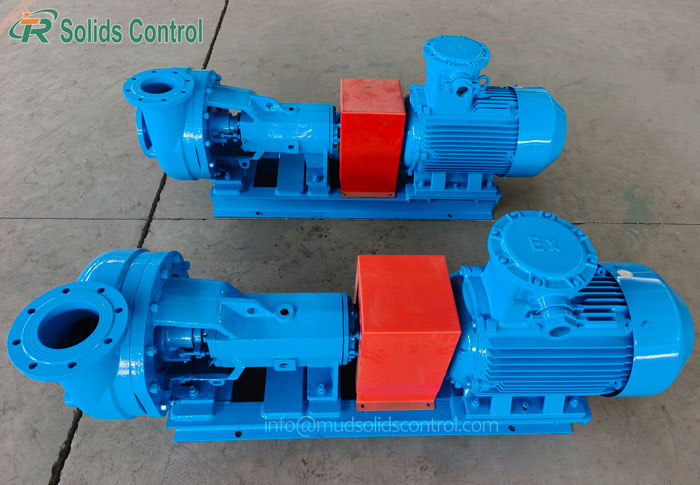
Selecting the right spare parts for drilling centrifugal pumps requires evaluating pump compatibility, material properties, operating conditions, and suppliers.
In most cases seen in field service, premature pump issues are linked to incorrect or unsuitable spare parts rather than structural design problems.
High-quality, well-matched components can significantly enhance pump reliability, reduce downtime, and extend the equipment's service life in harsh oilfield environments.
Which part wears out first in a centrifugal pump?
Mechanical seals and impellers are usually the first to wear due to direct contact with abrasive drilling mud.
Can non-OEM parts be used?
They can be used if material and dimensions fully match original specifications, but performance consistency depends heavily on manufacturing quality.
How is the correct impeller selected?
Selection is based on pump model, OEM reference number, and technical drawing confirmation.
What material is most commonly used in drilling mud pumps?
High chrome alloy is widely used due to its strong resistance to abrasion.
How often should spare parts be checked?
Most sites inspect components during routine maintenance cycles depending on operating conditions.

Address: No.2 Huochang Road, Yangling District,Xianyang City, Shaanxi Province, China
Tel: +86-18509252400
Wechat: 18509252400
Email: info@mudsolidscontrol.com
Contact: Mr.Li
 +86-18509252400