Contact Person: Mr.Li
Mobile: +86-18509252400
Wechat: 18509252400
Email: info@mudsolidscontrol.com
Address: No.2 Huochang Road, Yangling District,Xianyang City, Shaanxi Province, China
When drilling fluid leaves the rig with the cuttings, that is money going out the door. And it happens more than most people realize.
The fluid coming back from the wellbore has already gone through a costly preparation process. It contains base fluid, additives, and chemicals adjusted for specific drilling conditions. But after cuttings reach the surface and pass through the shale shaker, a certain amount of fluid still clings to the solids. Fine particles and rough rock surfaces hold onto it.
For water-based mud, this loss might be acceptable in some cases. But when you are running oil-based mud or synthetic-based mud, every barrel lost hits the budget directly. Those fluids are expensive, and replacing them adds up fast.
A cuttings dryer changes that. Instead of sending wet cuttings straight to disposal, it pulls the remaining fluid off the solids and sends it back to the mud system. Less mud to buy. Less waste to haul. Lower disposal costs.
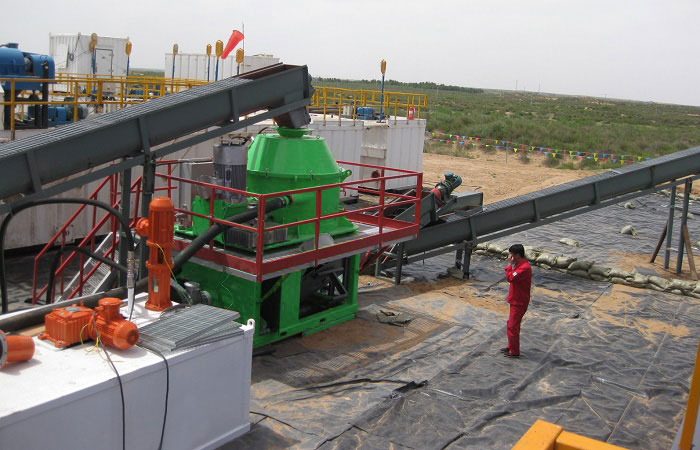
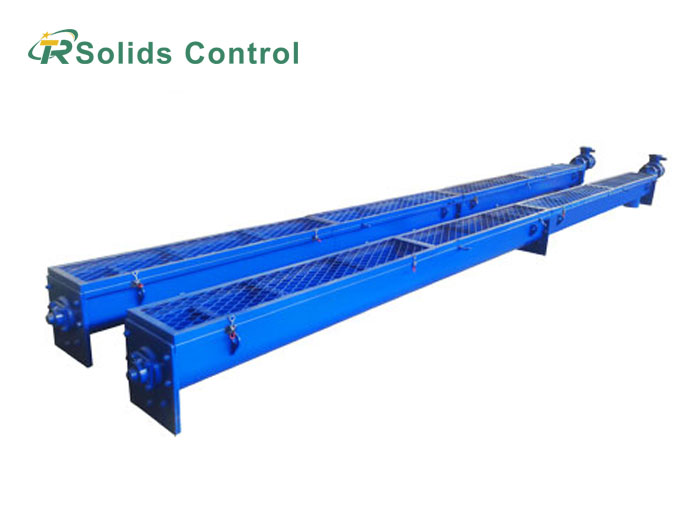
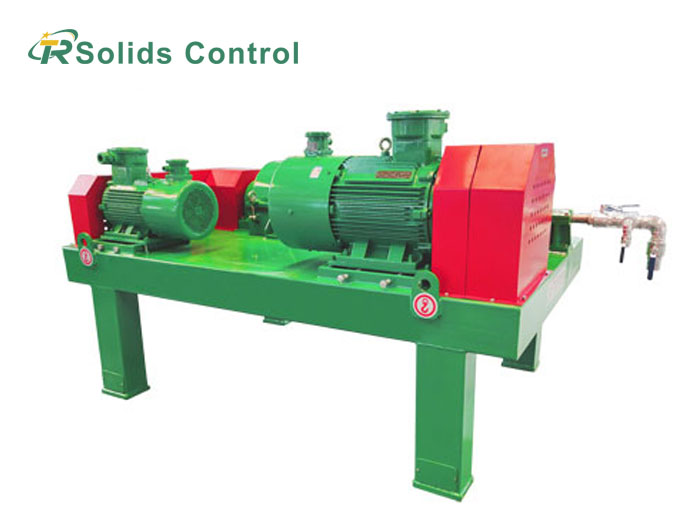
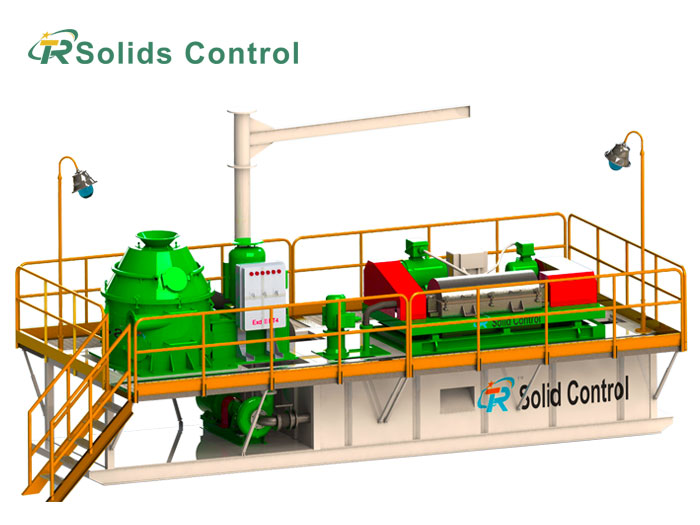
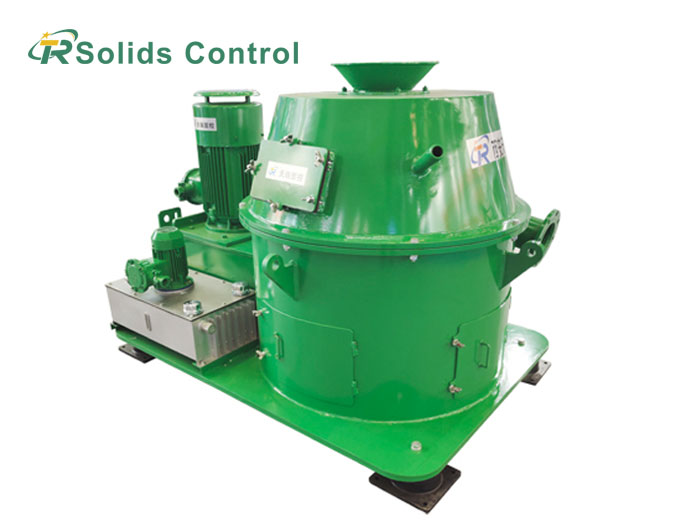
A cuttings dryer uses centrifugal force to separate liquid from drilled solids. Wet cuttings feed into the machine through a screw conveyor. Inside, a rotating screen basket spins at high speed. The spinning pushes fluid through the screen openings. The solid rock stays inside the basket. The dried cuttings discharge out the bottom, and the recovered fluid drains back to the mud tanks.
The operation runs continuously and does not need much babysitting. It is a simple machine that does one job well: getting fluid back from cuttings that would otherwise be thrown away.
The actual recovery rate depends on your mud type, cuttings condition, and operating setup. But a well-designed vertical cuttings dryer can recover most of the fluid that would otherwise leave the rig.
In Oman, Halliburton ran a trial with their mobile cuttings dryer across five wells. They recovered 2,242 barrels of synthetic-based mud, worth about $373,000 at market prices. The system also cut waste haul-off volume by 40%. Fewer truckloads meant lower transport costs on top of the fluid savings.
In many oilfield applications, operators can reduce the fluid remaining on discharged cuttings to around 3% to 5%. That makes a real difference, especially over a long well.
The savings come from two places. First, recovered fluid means you buy less new mud. OBM and SBM contain expensive base fluids and additives. Getting more of that fluid back cuts replacement costs directly. Second, drier cuttings cost less to handle. Wet cuttings are heavier and take up more space. Remove the liquid, and you cut truckloads, disposal fees, and logistics headaches.
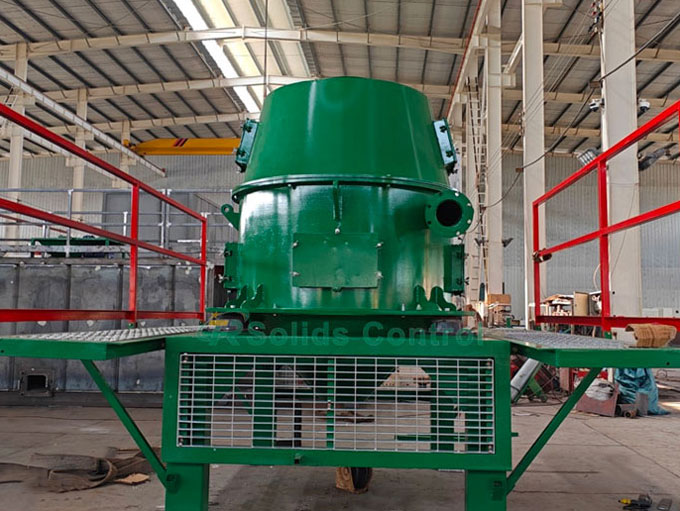
A common misunderstanding is that a cuttings dryer replaces other solids control equipment. It does not. Each machine handles a different stage.
| Equipment | Main Function | Position in System |
| Shale Shaker | Removes large drilled solids from returned mud | First stage |
| Centrifuge | Removes fine solids, maintains mud properties | Fine solids control |
| Cuttings Dryer | Recovers remaining fluid from cuttings | Final recovery stage |
The shale shaker handles the big stuff. The centrifuge manages fine solids and keeps the mud in good condition. The cuttings dryer takes the solids that have already left the active system and pulls off the fluid still hanging onto them.
For water-based mud, a shaker and centrifuge are often enough. For OBM and SBM, the cuttings dryer becomes essential. The fluid is too expensive to throw away with the cuttings.
Choosing a cuttings dryer is about matching the equipment to your actual drilling conditions. Here are the specs that matter.
Processing capacity tells you how much material the machine can handle per hour. Most units process 15 to 50 tons per hour. Match this to your drilling rate so the dryer keeps up.
Separation force, or G-force, is the spinning power. Higher G-force usually pulls more fluid out of the cuttings. Most good dryers run between 350 and 420 G.
Oil-on-cuttings after treatment shows how effective the dryer really is. Look for 5% or lower. The lower the number, the more fluid you are recovering.
Screen basket size affects throughput. Basket diameters range from 730 mm to 930 mm. Bigger baskets handle more volume.
Variable frequency drive, or VFD, lets you adjust spin speed for different mud types. Not every job needs the same speed.
Maintenance design matters for long runs. Wear-resistant components and good screen cleaning systems help keep the machine running without constant stops.
The TRCD930 from TR Solids Control is one example. It processes 30 to 50 tons per hour, leaves less than 5% oil on cuttings, runs at 421 G, and operates at speeds up to 900 rpm. The discharge section uses high-chrome cast iron scrapers for wear resistance. A high-pressure air knife helps clean the screen basket and reduces blockage when handling sticky cuttings.
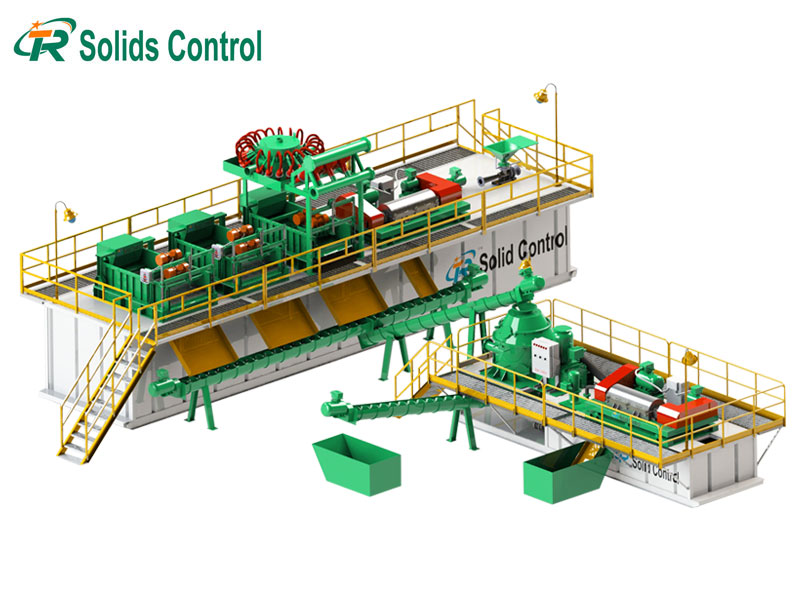
Vertical cuttings dryer is not a standalone fix. It is part of a complete waste management system.
After the shale shaker and centrifuge have done their work, cuttings still hold 3% to 5% oil. For many onshore operations, that is acceptable for disposal. But if you operate in areas that enforce the strict 1% OSPAR discharge limit, you will need thermal desorption to get the cuttings fully clean.
This is where the dryer earns its keep. It does not replace thermal treatment. It cuts down the amount of material that has to go through that expensive process. Without a dryer, you send wet, heavy cuttings straight to the thermal unit. They weigh more, cost more to transport, and take more energy to heat. With a dryer, you send lighter, drier material that costs much less to treat.
Some operators also use the dryer to prepare cuttings for reinjection. Drier cuttings pump better and cause less wear on the equipment.
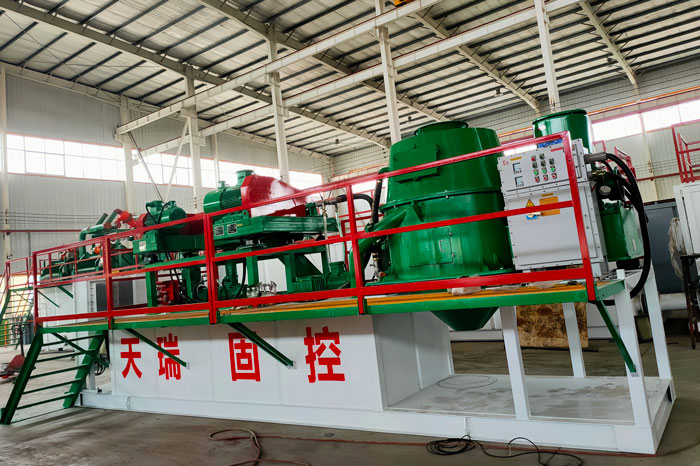
Recovering fluid is not just about the budget. It also makes the operation cleaner.
Drying cuttings cuts the volume of hazardous waste leaving the rig. Less waste means less spill risk during transport and less environmental impact at disposal sites. The rig floor stays drier and safer with less oily material around. Fewer truck movements mean lower fuel consumption and fewer emissions. For contractors under environmental scrutiny, these are real advantages.
A cuttings dryer solves a simple but costly problem: valuable drilling fluid leaves the rig with the cuttings. The equipment recovers most of it.
The numbers back this up. Whether it is $373,000 recovered in Oman or just a steady reduction in mud costs over a long well, the equipment pays for itself.
If you are planning a well or looking to tighten up your waste management, start with your cuttings handling process. You are leaving fluid in those solids. A vertical cuttings dryer can get it back.
When you compare models, look at G-force and throughput first. Those two numbers tell you more than any brochure. Higher G-force means better separation. The right throughput means the machine keeps up with your rig. Get those two right, and the rest falls into place.

Address: No.2 Huochang Road, Yangling District,Xianyang City, Shaanxi Province, China
Tel: +86-18509252400
Wechat: 18509252400
Email: info@mudsolidscontrol.com
Contact: Mr.Li
 +86-18509252400