Contact Person: Mr.Li
Mobile: +86-18509252400
Wechat: 18509252400
Email: info@mudsolidscontrol.com
Address: No.2 Huochang Road, Yangling District,Xianyang City, Shaanxi Province, China
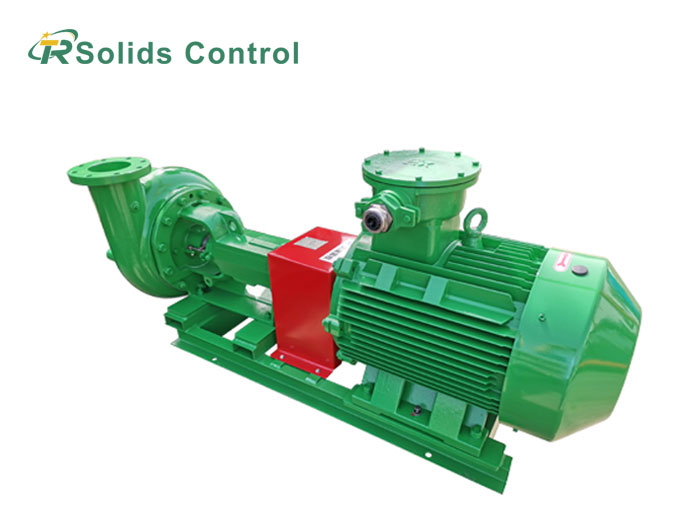
TR Solids Control has finished the factory test on a batch of drilling centrifugal pumps ordered for a drilling project in Tunisia. The pumps passed and are now being packed for ocean shipment.
Each assembly was run at the TR workshop before delivery. Engineers recorded flow, outlet pressure, vibration and temperature during the run. This gives the customer a record of the pump's condition before installation.
The pumps will move drilling mud between tanks and processing equipment in an oilfield solids control system, as part of the site's drilling fluid circulation.
The assemblies were tested once workshop assembly was finished and before packing. TR engineers monitored the main operating conditions and watched for abnormal vibration, temperature rise or anything else out of the ordinary.
The test covered four checks:
Flow rate, to confirm the required mud transfer capacity.
Outlet pressure, to check pump head under test conditions.
Vibration, to catch abnormal mechanical movement.
Temperature, logged on the pump and motor during the run.
Results stayed inside the specified operating range and the pumps were cleared for packing.
For an overseas order, testing at the factory is worth the time. If an assembly fault or an abnormal reading shows up, the pump can be opened on the workshop floor instead of after it reaches the drilling site.
In a solids control system, a centrifugal pump moves mud between tanks and processing equipment. Its role depends on the piping layout and the equipment connected to the mud tanks. It may feed shale shakers, desanders and desilters, or transfer mud from one tank to another. The pump duty has to match the circuit it is placed in.
Flow rate is only part of the selection. Head matters as much, because the pump has to overcome pipe resistance, elevation changes, valves and the pressure the downstream equipment needs. A pump short on head will not deliver the circulation the circuit requires. An oversized one draws more power and runs outside its intended working range. Selection should start from the flow and head the system requires, not from a pump model or a motor size.
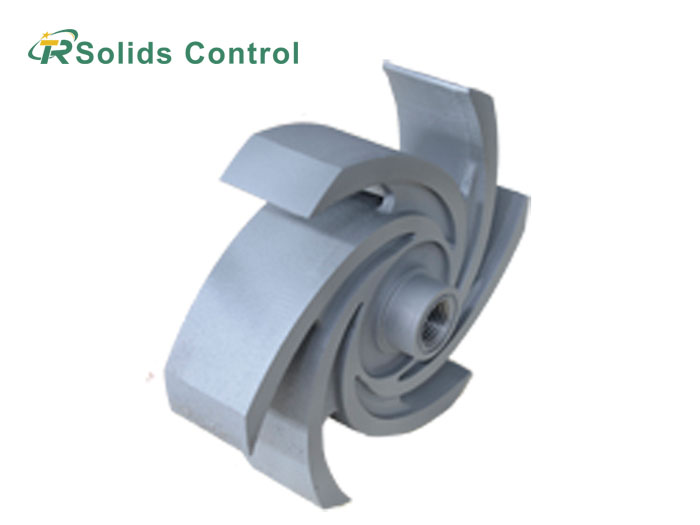
Mud also treats the wet end harder than clean water does. Sand and drilled solids cut into the impeller and casing, so wet-end materials should be matched to the mud composition, the solids concentration and the expected running conditions.
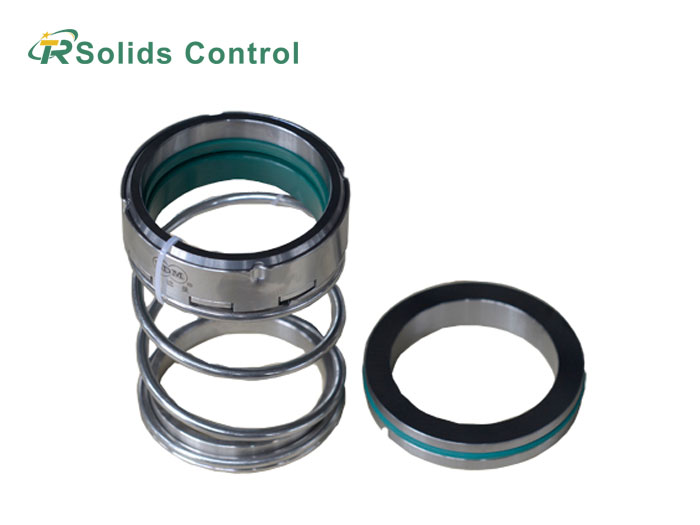
The seal arrangement has to suit the pump design and the way the site maintains its equipment. Mechanical seals and packing carry different maintenance demands, so the point is better settled before the order goes in than after.
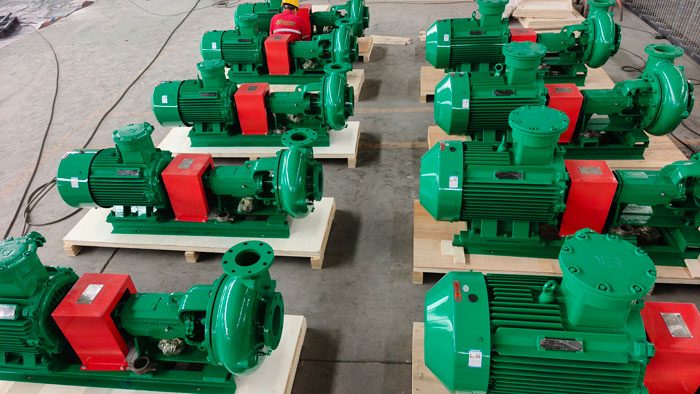
Start from the required operating point. The pump needs enough flow for the circulation, and the available head has to cover the discharge line, where pipe length, pipe diameter, elevation, valves and connected equipment all feed into the calculation.
Motor power comes after the duty is fixed. Choosing the motor first is how pump and motor combinations end up mismatched.
A mud transfer pump works in a more abrasive service than a clean-water pump. Solids in the mud wear the impeller and casing over time, and where solids loading is high, wear-resistant wet-end materials extend service life. The choice should follow the mud composition and the running conditions.
Spare-parts planning should cover the main wear components and how often they need replacing.
Seal selection follows the pump design and the application. A mechanical seal suits installations where leakage control matters and where nobody wants to keep adjusting packing. Packing still suits some pump designs and operating conditions. How the drilling site handles maintenance belongs in the decision.
Motor selection depends on the pump duty and the electrical conditions at the site. Hazardous-area requirements vary by project. Some oilfield installations need an explosion-proof motor, plenty do not, so it should be specified against the project rather than assumed. Voltage, frequency and motor protection should be confirmed before production begins.
This one is easy to leave too late on an overseas project. Check the availability of impellers, seals, bearings and other replacement parts before ordering. Compatibility with pump configurations already in service also simplifies maintenance later.
TR supplies Mission-compatible centrifugal pump designs where that matters, along with replacement and wear parts for the compatible designs.
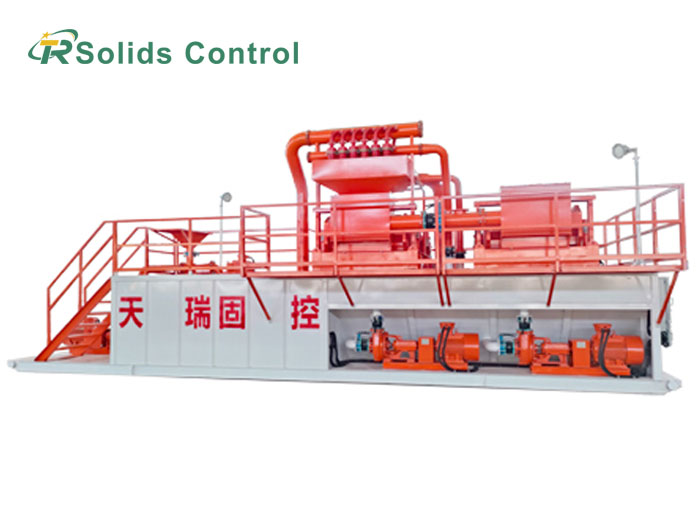
TR builds centrifugal pumps for drilling fluid transfer, mud circulation and solids control. They are supplied as individual units or integrated into a complete solids control package.
For the Tunisia order, the pumps were assembled and tested in the TR workshop before packing. Running the complete assembly checks the equipment as a unit, which inspecting components one by one does not.
TR pumps work alongside shale shakers, desanders, desilters and decanter centrifuges, moving mud between the tanks and the treatment stages.
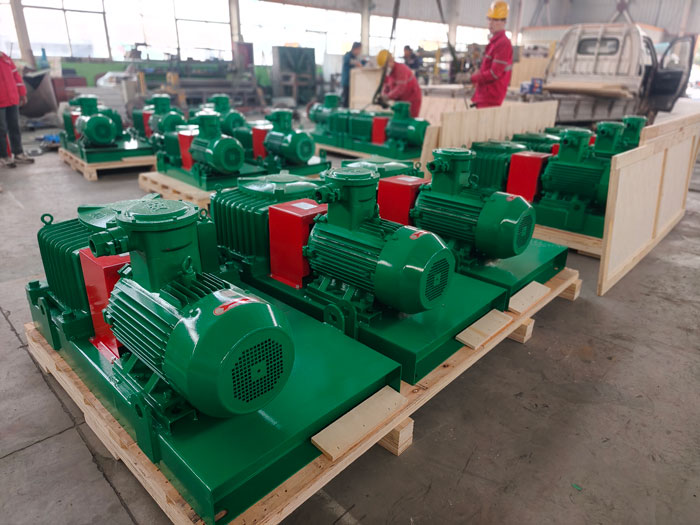
The Tunisia batch has completed testing and is being packed for ocean shipment. After delivery the pumps go into the customer's drilling fluid circulation system.
Flow and head, mud characteristics, wet-end construction, sealing, motor configuration and spare-parts availability all have to line up with the application. Those are the details that decide whether a pump settles into the circuit or turns into a maintenance problem within the first few months.

Address: No.2 Huochang Road, Yangling District,Xianyang City, Shaanxi Province, China
Tel: +86-18509252400
Wechat: 18509252400
Email: info@mudsolidscontrol.com
Contact: Mr.Li
 +86-18509252400