Contact Person: Mr.Li
Mobile: +86-18509252400
Wechat: 18509252400
Email: info@mudsolidscontrol.com
Address: No.2 Huochang Road, Yangling District,Xianyang City, Shaanxi Province, China
From hundreds of solids control RFQs and rig commissioning jobs we've handled at TR Solids Control, one issue keeps cropping up.
Drilling contractors and mud service crews spend hours going over decanter centrifuge specs: bowl size, G-force, D50 cut point and maximum throughput. Every line on the datasheet gets double-checked. But the feed pump often gets treated as an afterthought, with a simple note: "supply any mud pump to feed the unit."
This can lead to unstable feed, poor separation performance, barite carryover and commissioning delays.
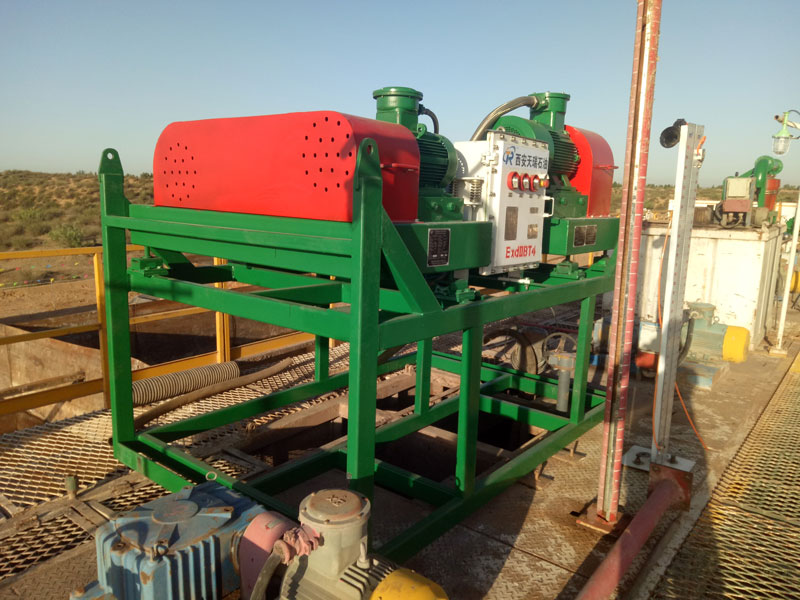
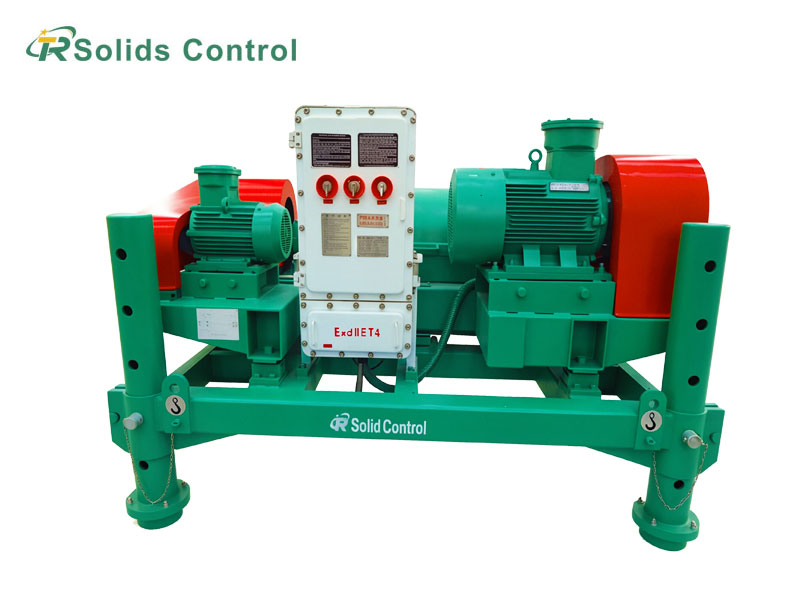
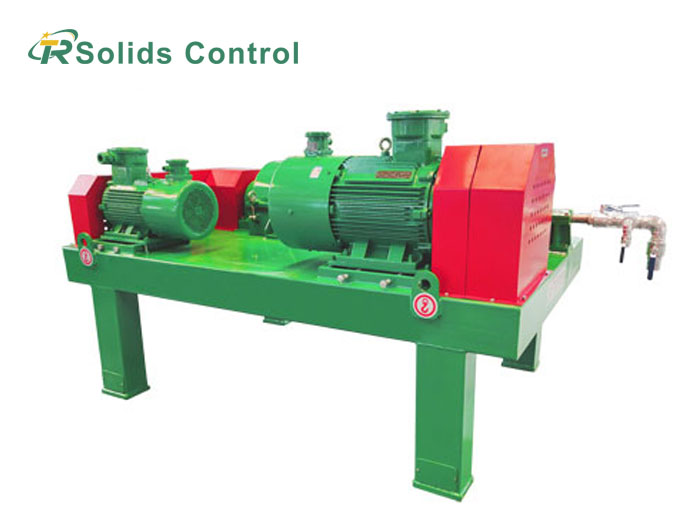
We recently reviewed a detailed Kazakhstan RFQ for a high-speed VFD decanter centrifuge. The buyer had specified nearly every detail: bowl dimensions, 3,200 rpm operating speed, a 2–5 μm D50 separation target and Ex d IIB T4 hazardous-area requirements.
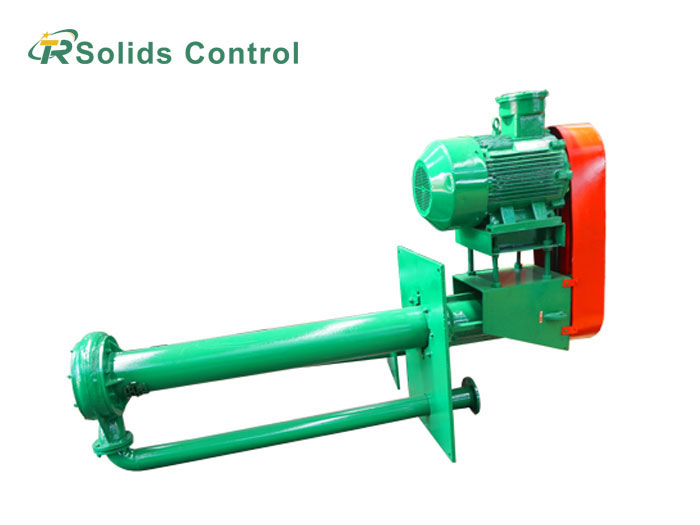
One critical requirement stood out: a matched, interlocked vertical semi-submersible VFD feed pump, integrated into the same centrifuge control cabinet.
With weighted or unweighted drilling mud, a poorly matched feed pump can undermine decanter performance if it cannot maintain stable, coordinated flow under actual tank conditions.
A decanter centrifuge feed pump should match the centrifuge's required flow range, mud properties and control system. Unstable feed, poor VFD adjustment or missing interlock signals can affect separation performance and equipment operation.
These aren't textbook hypotheticals. Our engineering team runs into them during FAT, site commissioning and post-delivery troubleshooting.
A decanter centrifuge operates within a defined feed rate range. If the feed pump surges, starves or swings between high and low flow, retention time inside the bowl can change.
Fluctuating feed rates can change the solids loading and separation conditions inside the bowl. For weighted mud, this may affect the centrifuge's ability to separate fine drilled solids while retaining barite in the recovered mud.
Fixed-speed pumps or poorly sized VFD setups may not provide the flow adjustment needed to match the feed rate range specified for the decanter.
If the centrifuge trips during a solids overload but the feed pump keeps running, fluid continues entering the bowl. The bowl may flood, increasing the solids load and torque. The crew may have to shut down the unit for inspection and cleaning.
The reverse is just as hard on hardware. If the pump runs dry while the centrifuge keeps spinning, dry running can damage pump components, depending on the pump design and operating conditions.
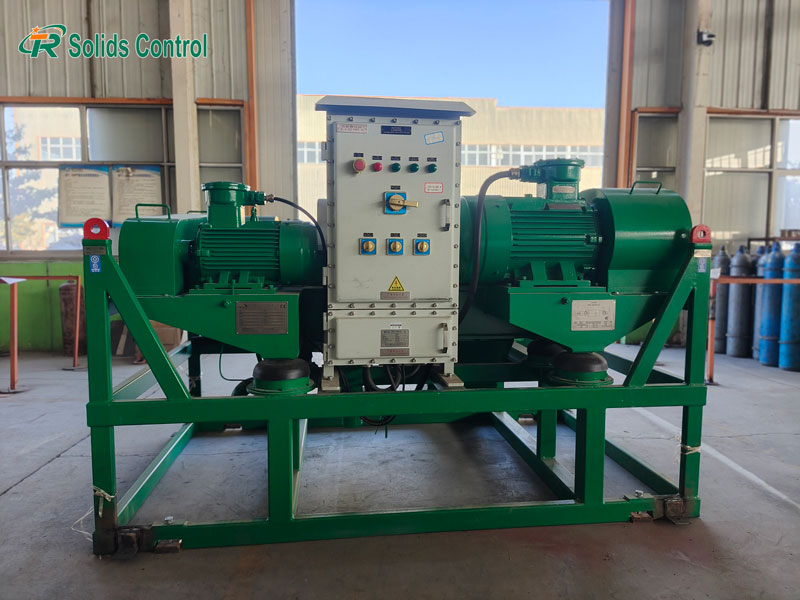
Separate control panels do not automatically provide coordinated protection. The pump and centrifuge need a defined control interface with configured interlock signals to stop or reduce feed when the centrifuge trips or enters an overload condition.
That's exactly why the Kazakhstan buyer specified a shared centralized control cabinet.
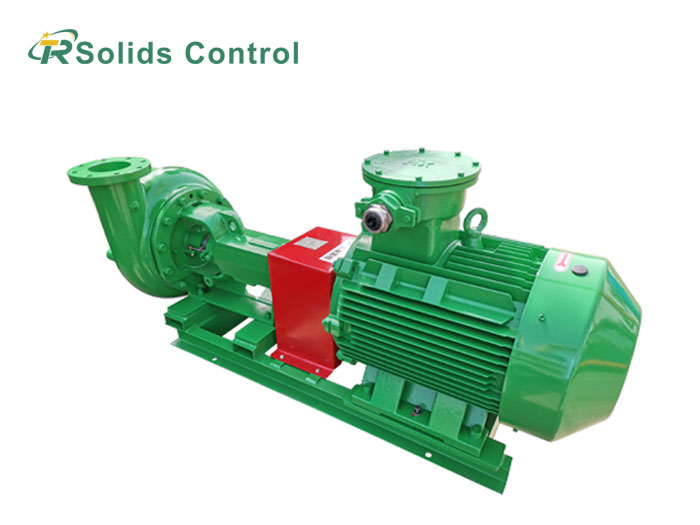
Off-the-shelf submersible slurry pumps or horizontal centrifugal pumps may not be the best choice for every active mud tank. Their suitability depends on the pump design, suction conditions and tank arrangement.
Air entrainment and cavitation are two different problems.
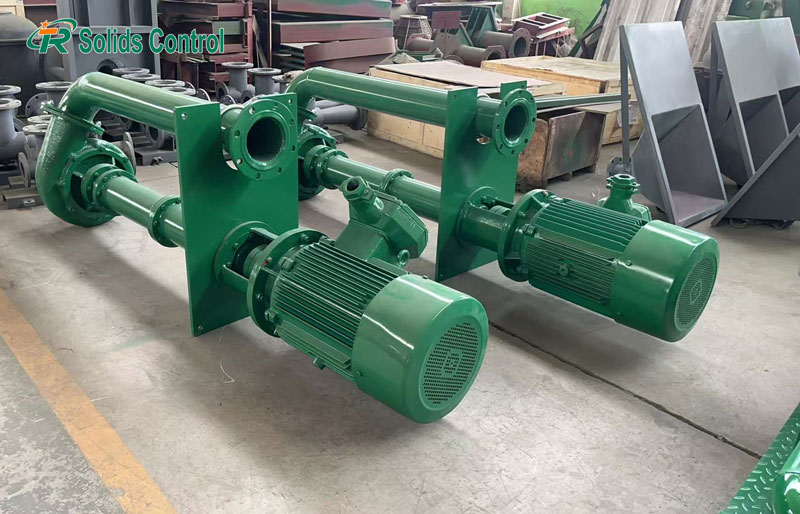
A vertical semi-submersible pump mounts directly in the mud tank, with its intake positioned below the normal operating liquid level. That installation depth matters. If the tank level drops and the intake becomes exposed, air enters the feed line and flow becomes unstable.
That's why rig teams consider vertical semi-submersible designs for decanter feed instead of general-purpose mud transfer pumps.
This is a major source of delays when mobilizing equipment to Kazakhstan and other Central Asian oilfields.
A vendor might supply a centrifuge with valid Ex d IIB T4 certification but ship a feed pump with a different explosion protection rating or IP class.
Before shipment, check the pump certificates and FAT records against the project requirements. Also confirm the applicable TR CU 012/2011 conformity documents. Missing paperwork can hold up site acceptance even when the equipment itself is ready to ship.
Each requirement in this Kazakhstan RFQ addressed a specific operating or installation constraint for weighted mud treatment.
Vertical semi-submersible design: Mounts directly in the mud tank, without a separate horizontal pump skid beside the tank.
VFD adjustable flow of 2–30 m³/h: Matches the decanter's operating range, so operators can adjust the feed rate according to mud properties and the required separation performance.
7.5 kW motor, 20 m head and 0.3 MPa working pressure: Specify the motor power, rated head and working pressure. The pressure rating should be confirmed separately against the pump's operating conditions.
Ex d IIB T4 and IP55: Specify the explosion protection and enclosure protection ratings. Both must match the project's hazardous-area classification and equipment requirements.
Integrated control with the centrifuge VFD cabinet: Allows coordinated pump and centrifuge operation, with interlock signals configured for overload and trip protection.
Maximum equipment weight of 450 kg: Check the assembly weight against the skid load capacity, and confirm that the available installation space can accommodate the unit.
Each parameter is there for the system, not for the pump on its own.
These mistakes can occur with both new suppliers and established vendors. They are easy to overlook when the feed pump is treated as auxiliary equipment.
Fully specifying the decanter, then adding only "any suitable mud pump" for the feed system.
Ordering a VFD pump without confirming the control interface and coordinated trip logic with the centrifuge.
Matching only the nominal flow rate while ignoring the low-flow adjustment range.
Arranging FAT for the decanter alone without testing synchronized pump-and-centrifuge operation.
Confirming technical passports and manuals for the centrifuge but leaving Russian or Kazakh pump documentation unconfirmed before production.
Any of these mistakes can lead to commissioning delays, warranty disputes or operating problems after delivery.
Before finalizing a solids control tender, check the following:
Vertical semi-submersible design, with installation depth covering the tank's operating liquid levels.
VFD flow range covers the centrifuge's full operating window.
Defined control interface and coordinated trip logic between pump and centrifuge.
Explosion protection and IP ratings match the site's hazardous-area classification.
Pump included in FAT, tested alongside the centrifuge.
Russian or Kazakh technical passports and operating manuals confirmed before production.
Feed pump selection is an important part of decanter centrifuge configuration, particularly when processing weighted drilling mud.
A suitable pump needs to maintain the required feed rate under actual tank conditions. Its hydraulic performance, installation arrangement and control interface should also be checked before the equipment is shipped.
For procurement teams, these checks are worth including in the original RFQ rather than leaving them until commissioning.
A well-prepared RFQ should cover both the centrifuge and its feed system. This gives suppliers a clearer basis for equipment selection, control integration and FAT planning.

Address: No.2 Huochang Road, Yangling District,Xianyang City, Shaanxi Province, China
Tel: +86-18509252400
Wechat: 18509252400
Email: info@mudsolidscontrol.com
Contact: Mr.Li
 +86-18509252400