Contact Person: Mr.Li
Mobile: +86-18509252400
Wechat: 18509252400
Email: info@mudsolidscontrol.com
Address: No.2 Huochang Road, Yangling District,Xianyang City, Shaanxi Province, China
The pump looks good on paper, has a competitive price and decent specs, yet it is not designed for real‑world duty. It works for a while, and then it breaks down.
For anyone in charge of sourcing pumps, that's a headache nobody needs. The downtime alone can cost more than the pump itself. So let's get into Solids Vacuum Pumps — what they do, what they handle, and whether one belongs on your next order.
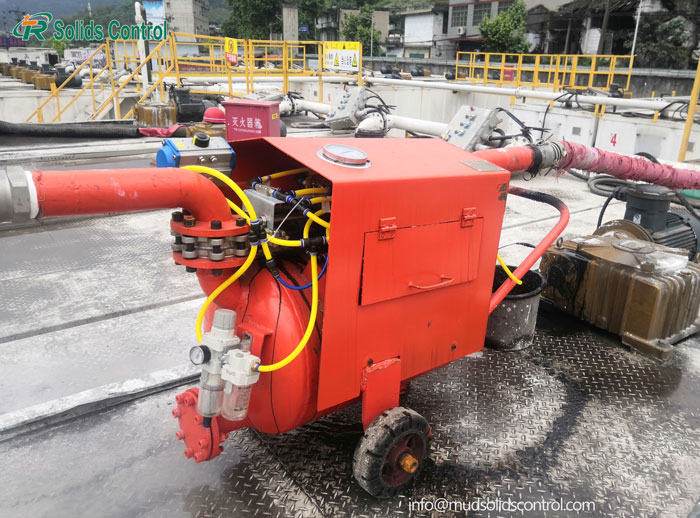
The Solids Vacuum Pump, sometimes called Sludge Vacuum Pump. It is built for one purpose: moving material that would destroy a standard pump.
It works by creating a vacuum inside the chamber. That vacuum pulls material in solids, liquids, or a mix of both. Then it pushes everything out through the discharge line.
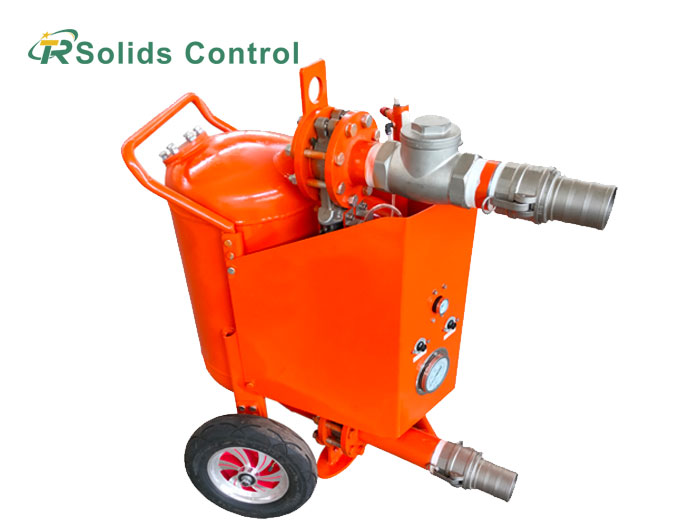
TR pneumatic sludge vacuum pump is a compact, robust, and efficient pump which is capable of loading material via 25"hg of vacuum and delivering the over 500 meters. Just steady, reliable transfer even when the material is heavy, thick, or full of solids.
Powered entirely by compressed air, making it safe for hazardous or wet environments.
Handles a wide range of materials, including solid particles, powders, slurries, high‑concentration sludge, oily sludge, mineral pulp, and other bulk materials.
25‑inHg vacuum, conveying distance over 500 m.
Four capacities (10/20/25/40 m³/h) and optional skid system.
For anyone sourcing equipment across multiple sites or job types, that kind of flexibility matters.
Moves heavy material that other pumps can't touch.
In solid control operations, thick sludge, abrasive grout, wet cuttings and other materials are often encountered, which can block or damage the pump. The solid-liquid vacuum pump precisely fulfills the tasks that other equipment fails to accomplish.
In industrial treatment, the sludge vacuum pump can directly extract and transfer the material to the transport container or treatment equipment, which would have required six hours of work by a team of four people, can now be completed in two hours. This significantly reduces the labor and on-site time costs.
In drilling and mining, usable material ends up mixed in with waste all the time. The drilling waste vacuum pump lets you pull it back out instead of writing it off.
Material moves through a closed pipeline without open transfer, no dust, no leakage. This is a feasible operation mode in places where hazardous or controlled materials are handled. Pneumatic vacuum pump system, using air pressure to transport materials, completely avoid mechanical contact.
When something goes wrong on site, response speed is of vital importance. The Solids vacuum pump responds quickly and cleans efficiently.
In industrial waste cleaning, vacuum pump transport a wide range of materials. Here is a detailed explanation:
| Material | Examples | Handles It? |
|---|---|---|
| Dry solids | Sand, gravel, powder | √ Yes |
| Wet solids | Mud, sludge, drill cuttings | √ Yes |
| Slurry | Fluid and solids mixed together | √ Yes |
| Semi-solid paste | Dense sediment, thick sludge | √ Yes |
| Hazardous waste | Chemical sludge, contaminated fluid | √Yes — right spec required |
| High-temperature material | Hot slurry, industrial byproduct | √Yes — heat-resistant build needed |
Whether it is heavy, high-viscosity, abrasive or mixed materials, solid vacuum pumps can handle them and are used in different application scenarios.
Oil and Gas / Drilling
Sludge tank dredging, drilling cuttings transfer, solid-liquid separation system maintenance, this is where the sludge vacuum pump plays a role. Pumps must withstand harsh environmental conditions.
Wastewater Treatment
Sewage sludge, tank sediment, treatment waste - high flow rate, high turbidity, continuous operation. These drilling waste pumps work efficiently and ensure no breakdowns during shifts.
Mining
Abrasive slurry and mineral waste will pass through the equipment quickly. Solid vacuum pumps are designed for such applications and are resistant to wear.
TBM construction sludge
Concrete slurry, bentonite mud, excavation waste, these materials need to be moved quickly on the construction site while avoiding causing a bigger mess.
Food Processing
Hygienic-grade models move food pulp, thick byproducts, and food-grade solids through closed systems that meet the industry's strict standards.
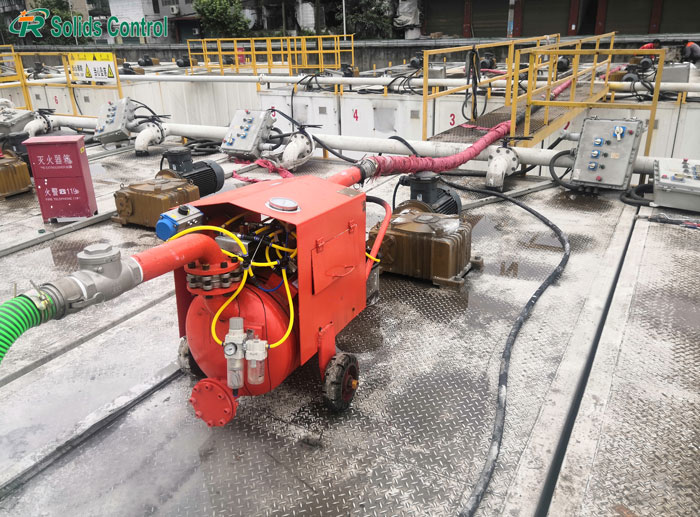
The right mud vacuum pump comes down to matching its parameters with your job needs, so that it can handle your material properties and on‑site operating conditions. A few things that actually matter:
Particle size, density, abrasiveness, corrosiveness, moisture content, these determine the pump's required power, seal type, and construction material.
Don't choose the pump based on daily operation, but rather for the most demanding conditions. Conveying distance, vertical lifting height, flow rate, all of these need to deal with arduous tasks.
Explosive or hazardous area → ATEX-certified model
High-temperature material → heat-resistant seals, no exceptions
Food or pharmaceutical site → hygienic-grade construction
Oilfield or drilling site → purpose-built vacuum pump for drilling with reinforced wear components
Please know what the wear parts of the pump are, whether the pump accessories can be supplied and other after-sales issues. As a supplier of sludge vacuum pumps, TR Solids Control offers a full range of products and accessories.
Reach out to TR Solids Control for a quote or a quick consultation. Let's sort it out before it becomes a problem on site.
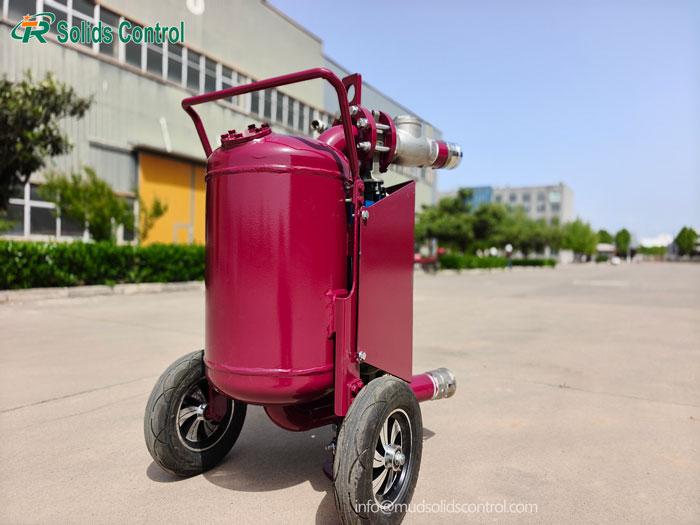
Q: What's the difference between Solids Vacuum Pump and Sludge Vacuum Pump?
Same equipment, different names. Sludge Vacuum Pump is the term you'll hear more in oilfield and wastewater settings.
Q: Can it handle abrasive material without wearing out fast?
Yes — if you spec it correctly. Models built for abrasive applications use hardened wear parts and heavy-duty seals. That's what makes the difference between pump that lasts and one that doesn't.
Q: What is pneumatic vacuum pump?
It runs on compressed air instead of an electric motor. No electricity needed on site. That makes it the go-to option for hazardous environments where electric motors create a safety risk.
Q: How often does it need maintenance?
For heavy-duty applications like oilfield sludge transfer, a routine inspection every 200 to 300 operating hours is a solid starting point. Follow the manufacturer's schedule.
Q: Is Solids Vacuum Pump part of solids control system?
Yes. In drilling operations, it works alongside shale shakers, desanders, and centrifuges as part of the broader solids control equipment setup — handling pit cleaning, cuttings transfer, and fluid recovery.

Address: No.2 Huochang Road, Yangling District,Xianyang City, Shaanxi Province, China
Tel: +86-18509252400
Wechat: 18509252400
Email: info@mudsolidscontrol.com
Contact: Mr.Li
 +86-18509252400