Contact Person: Mr.Li
Mobile: +86-18509252400
Wechat: 18509252400
Email: info@mudsolidscontrol.com
Address: No.2 Huochang Road, Yangling District,Xianyang City, Shaanxi Province, China
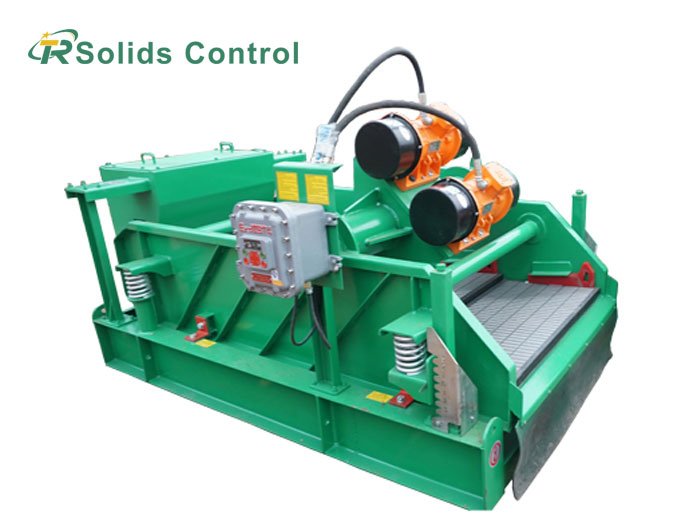
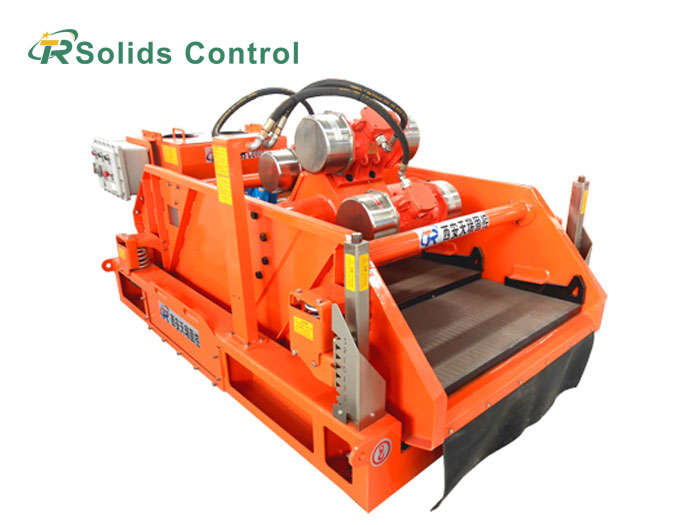
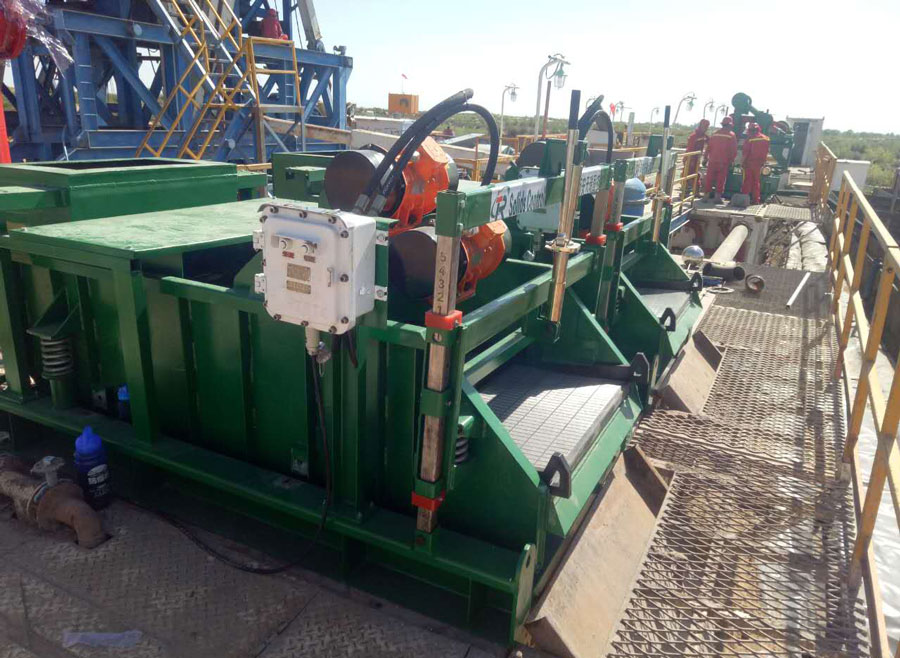
A shale shaker is the first stage of solids control on a drilling rig. It is a vibrating screen adapted for drilling fluid: shaker screens remove drill cuttings and other solids from the mud returning from the well.
General-purpose vibrating screens are widely used for mining, aggregates, chemical processing, and other bulk-material applications. They mainly handle solid feed for screening, sizing, or classification. Drilling shale shaker handles a liquid-solid mixture instead. It removes drilled solids from drilling fluid while recovering usable mud.
General-purpose vibrating screens typically process solid feed. Depending on the application, they remove oversize material, classify particles by size, or separate bulk solids into different grades.
A shale shaker, by contrast, handles a liquid-solid mixture. Returning mud can contain rock cuttings, sand, clay, and other solids generated during drilling. The shaker screen retains the cuttings while allowing drilling fluid to pass through. The solids move toward the discharge end, while the recovered mud returns to the active circulation system.
Particle sizing is only part of the process. The shale shaker also needs to limit the amount of usable mud carried out with the discharged cuttings.
This liquid-solid feed places specific demands on the shaker screen and vibration system.
The shaker screen determines which solids are retained and how easily drilling fluid passes through. Screen selection depends on mud properties, solids loading, flow rate, target separation cut-point, shaker deck geometry, and mounting hardware.
A finer screen does not always improve performance. A screen that does not suit the application can blind quickly, reduce capacity, or increase mud carry-over with the discharged cuttings.
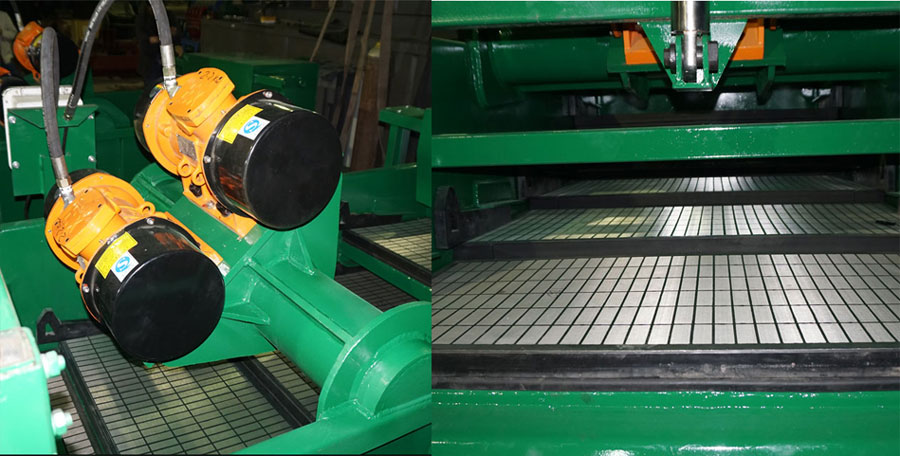
Vibration moves retained cuttings across the screen and helps drain drilling fluid from the solids.
TR Shale shakers commonly use linear motion or balanced elliptical motion. The motion type affects cuttings conveyance, screening capacity, and fluid recovery.
Increasing vibration does not automatically improve performance. The motion needs to move cuttings effectively without restricting fluid flow through the screen.
Fluid passing through the shaker screen is recovered drilling mud. Excessive mud loss with the cuttings increases fluid consumption and waste-disposal costs.
At the same time, drilled solids left in the mud increase the load on downstream solids control equipment. The shale shaker needs to remove solids efficiently while keeping mud carry-over at a reasonable level.
The short answer is no, and the reason comes back to the feed.
Drilling mud is a liquid-solid mixture carrying abrasive cuttings, and the flow continues throughout drilling. The shaker has to handle the incoming mud flow, move the cuttings toward discharge, and recover drilling fluid in the same process.
A general-purpose vibrating screen may perform well in its intended application. On a drilling rig, it is not a direct replacement for a shale shaker.
For drilling operations, the equipment needs to suit the mud properties, solids loading, flow rate, required separation, and continuous operating conditions.
| Comparison Parameters | Drilling Shale Shaker | General-Purpose Vibrating Screen |
| Typical application | Oil and gas drilling, HDD, geothermal, and other drilling operations | Mining, aggregates, chemical processing, and other bulk-material applications |
| Feed material | Drilling fluid containing drill cuttings and other solids | Mainly solid bulk materials |
| Main purpose | Remove drilled solids and recover usable drilling fluid | Screen, size, or classify materials |
| Screen selection | Based on drilling-fluid properties, solids loading, separation needs, and shaker configuration | Based mainly on material characteristics and screening requirements |
| Vibration | Designed for cuttings conveyance and liquid-solid separation | Designed around the material and the screening process |
| Liquid recovery | An important part of the process | Usually not the primary objective |
| System role | First stage of a drilling fluid solids control system | Often used as an individual screening unit |
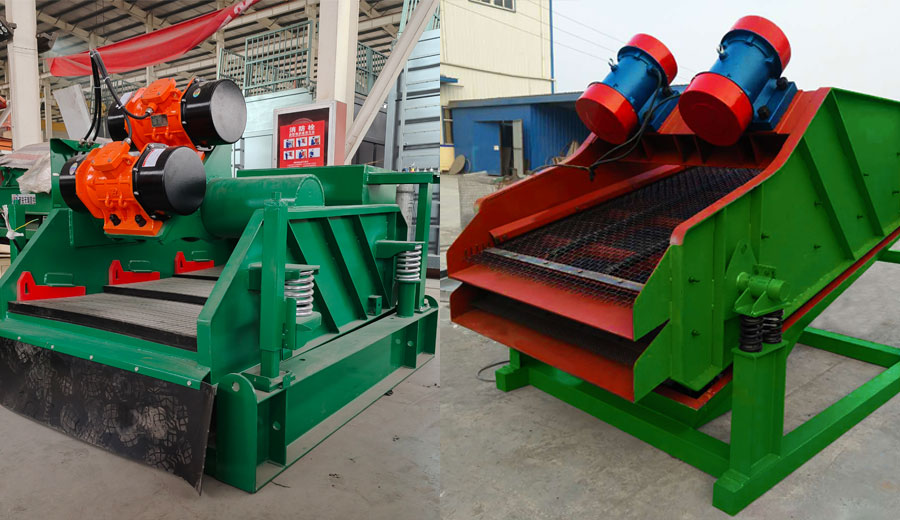
Both machines move material across a screen surface, but the process requirements are different.
A general-purpose vibrating screen produces sorted or classified solid material. On a shale shaker, the valuable output is the recovered drilling fluid, while the cuttings leave the screen as waste.
This recovery requirement affects screen selection, shaker motion, cuttings transport, and overall operation. For drilling applications, selection starts with the mud properties, solids loading, flow rate, and required separation rather than vibration characteristics alone.

Address: No.2 Huochang Road, Yangling District,Xianyang City, Shaanxi Province, China
Tel: +86-18509252400
Wechat: 18509252400
Email: info@mudsolidscontrol.com
Contact: Mr.Li
 +86-18509252400