Contact Person: Mr.Li
Mobile: +86-18509252400
Wechat: 18509252400
Email: info@mudsolidscontrol.com
Address: No.2 Huochang Road, Yangling District,Xianyang City, Shaanxi Province, China
Drilling fluid comes back to surface carrying everything the bit cut loose. The shale shaker is the first solids control unit it reaches, and the split made on that deck sets the terms for the rest of the system.
Mud that passes through the screens returns to the active system. Solids retained on the deck are conveyed toward the discharge end and leave the circuit. The deck therefore determines how much of the returning mud passes through the screens and how much leaves with the discharged solids.
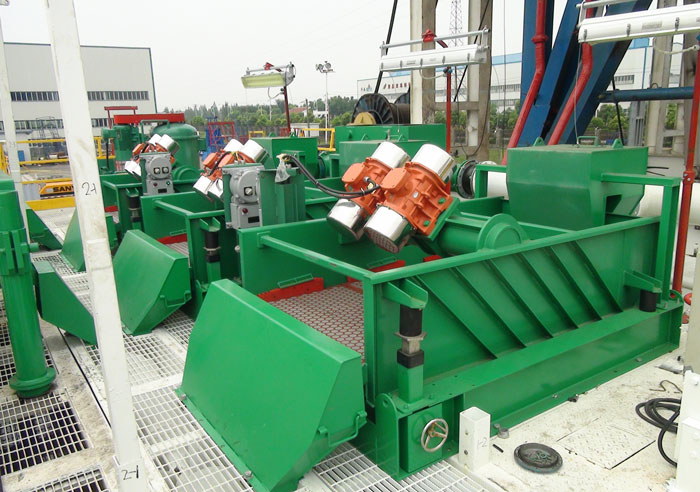
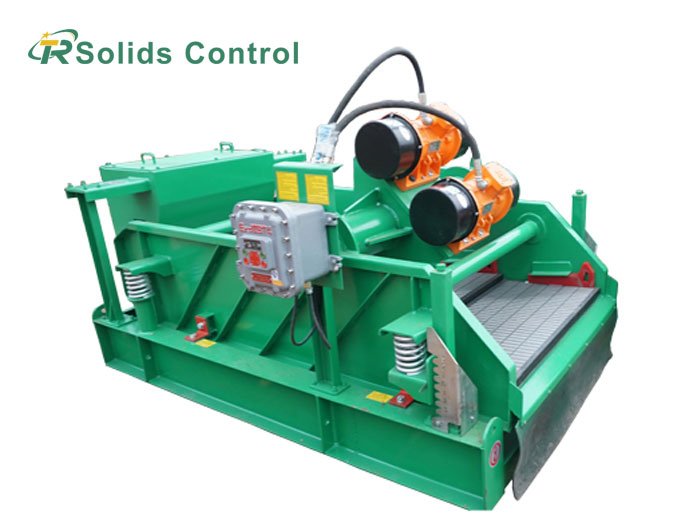
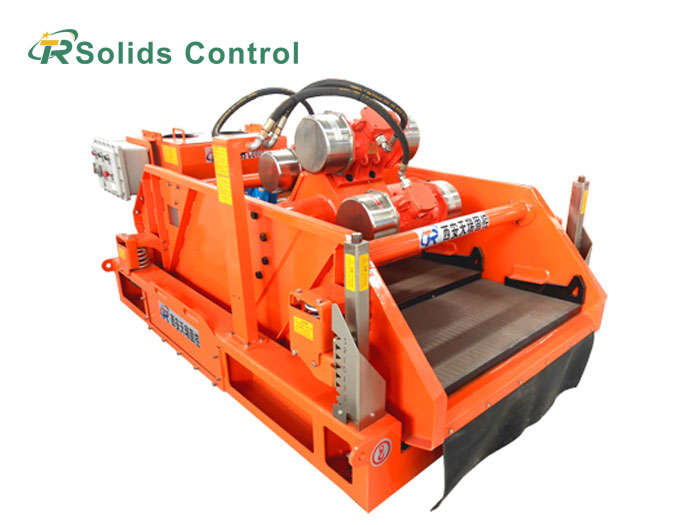
A shaker is an inclined deck carrying screen panels, driven by a vibrating motion. Returns flow onto the deck, liquid and anything small enough to pass go through the openings, and the retained solids work their way along the deck until they drop off the end.
Vibration does two jobs at the same time. It conveys retained solids toward discharge and keeps the screen bed active enough for fluid to pass through the openings. The result depends on the vibration pattern, G-force, and deck angle being suited to the mud and flow being processed. These settings can therefore be adjusted during drilling rather than fixed once at spud.
Solids that stay in the circulating mud make another trip through the bit and come back smaller each time. They raise the low-gravity solids content the mud program has to work within. Holding the specified properties then costs more in treatment, dilution, or both.
Removing them at the shaker cuts that input off. Drilled solids are not the only solids in the system, since weighting material is meant to be there. They are the largest unwanted one, and the easiest to take out while the particles are still coarse.
Each solids control unit after the shaker works within its own particle-size range. Desanders and desilters remove sand- and silt-sized particles, mud cleaners combine hydrocyclones with a fine screen, and decanter centrifuges provide further separation of fine solids.
The shaker's separation range has a practical limit. Finer screens retain smaller particles, but the additional separation comes with lower flow per panel, greater risk of blinding from near-size particles, and potentially shorter screen life. Primary shaker screens are often selected within a relatively coarse API range, with the actual choice driven by circulating rate, mud properties, and available screen area.
Material that passes the shaker then becomes part of the feed handled by the downstream units. Keeping coarse drilled cuttings on the shaker reduces the coarse-solids load entering those stages and allows each unit to operate within its intended separation range.
Liquid that goes over the end with the cuttings is out of the active system and into the waste stream. Screen choice decides how much.
Two things work against each other here. A coarser screen drains fluid back into the system easily and handles more flow, at the cost of letting more solids through. A finer screen sends cleaner mud downstream but passes less of it per hour. Once the deck cannot take what is arriving, fluid goes over the end with the solids instead of through the screen.
So the choice is not a matter of going as fine as possible. If cuttings are coming off wet while part of the deck is still running dry, the screen is finer than the flow needs. Go one API number coarser. If solids you expected to see on the deck are reaching the desander, check for a torn panel first, then go finer. If mud is pooling and running off the end, the problem is area rather than mesh, and the fix is more screen area or less flow reaching that shaker.
Shaker screens are tested and tagged to API RP 13C, known internationally as ISO 13501. The tag carries a cut point expressed as an API number, a conductance in kD/mm, and the non-blanked area. The API number comes from the separation at which the screen retains everything above a given size. A higher number means a finer cut.
Cut point tells you what the panel separates at. Conductance tells you how much fluid it can pass, and non-blanked area tells you how much of the panel is open to flow. Comparing panels on cut point alone is the usual mistake. Two screens can carry the same API number and move very different volumes of mud.
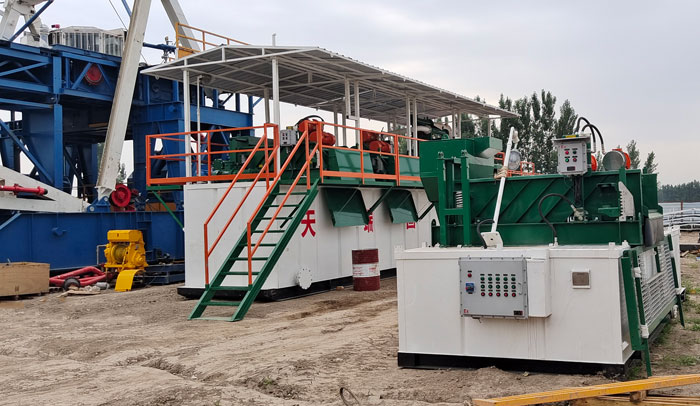
Available screen area has to match the circulating rate. A shaker short of area for the flow will not hold the separation its screens are capable of, whatever the cut point on the tag says.
Mud properties change the picture. Viscosity, density and solids content all affect how readily liquid passes and how solids travel across the deck. Polymer-treated and oil-based systems behave differently from a simple water-based mud. A screen that works well at one mud weight can struggle at another.
Condition and settings matter as much. Blinded, worn or torn panels take working area off the deck. Vibration settings and deck angle set how fast solids move and how much fluid the deck can process. A shaker can be running and making noise and still be separating very little. The check belongs on the deck, not at the switch.
| What you see on the deck | What it usually points to | First move |
| Cuttings discharge wet while part of the deck runs dry | Screen finer than the flow needs | Go one API number coarser |
| Coarse solids reaching the desander | Torn panel, or screen too coarse | Inspect panels, then go finer |
| Mud pooling and running off the end | Not enough screen area for the flow | Add screen area or divert flow |
| Screen glazed with near-size particles | Blinding | Change motion or screen type before changing mesh |
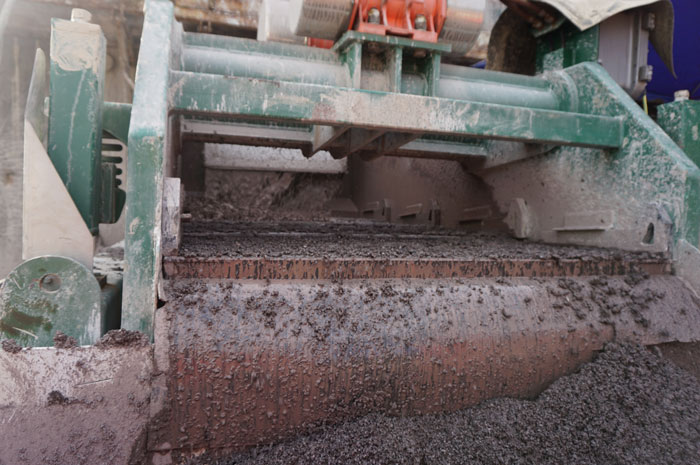
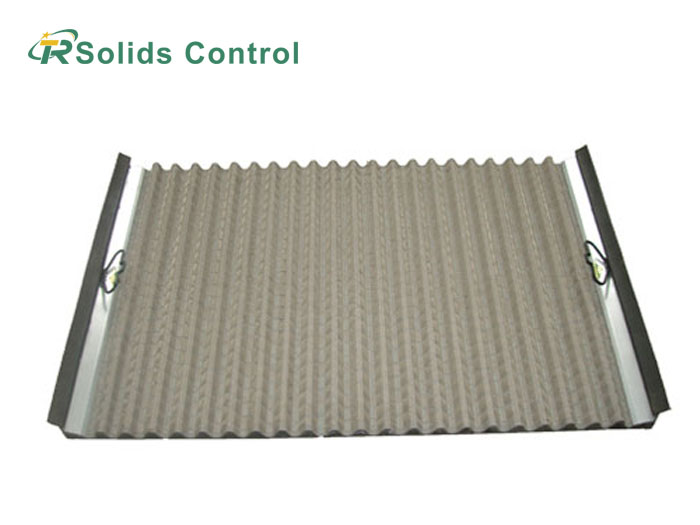
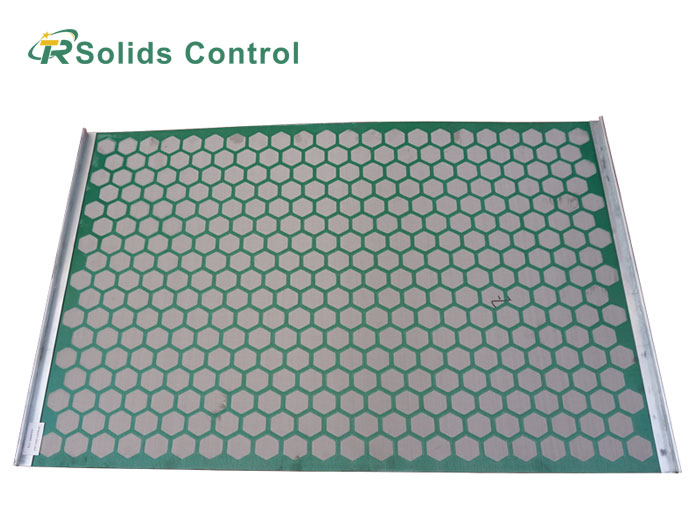
TR Solids Control builds the TRZS series of shale shakers for oilfield drilling and drilling fluid recycling, in configurations sized to different circulating rates and screen requirements, and supplies the screen panels those decks run on. Shale shaker screens are specified with the shaker rather than after it, because one sets the limits on the other.
Early removal is the whole argument for a shale shaker. Its value sits where mud would otherwise go back into the active system carrying cuttings it has already lifted once. The rest of that value sits where a hydrocyclone would otherwise be asked to handle material a screen should have caught.
Getting that value takes a match rather than a maximum: a screen coarse enough to pass the flow the rig is circulating, enough deck area to drain it, and a cut point that fits the solids being drilled. Screens chosen on fineness alone tend to fail on the deck, not on paper.

Address: No.2 Huochang Road, Yangling District,Xianyang City, Shaanxi Province, China
Tel: +86-18509252400
Wechat: 18509252400
Email: info@mudsolidscontrol.com
Contact: Mr.Li
 +86-18509252400