Contact Person: Mr.Li
Mobile: +86-18509252400
Wechat: 18509252400
Email: info@mudsolidscontrol.com
Address: No.2 Huochang Road, Yangling District,Xianyang City, Shaanxi Province, China
A shale shaker and a mud pump perform different but closely related functions in a drilling fluid circulation system. The mud pump delivers drilling fluid to the well, while the shale shaker separates drill cuttings from the returning fluid at the surface.
Their coordinated operation keeps drilling fluid circulating and removes solids before the fluid is reused. The actual performance of this process depends not only on the two machines but also on the return flow, mud tank arrangement, screen selection and operating conditions.

In a drilling fluid circulation system, the mud pump and shale shaker work at different points in the circulation loop. The pump supplies drilling fluid to the well, and the shaker handles the fluid returning from the well with drilled solids.
Although the mud pump and shale shaker operate as part of the same circulation system, their functions are not interchangeable.
| Equipment | Main Function | Role in the Circulation System |
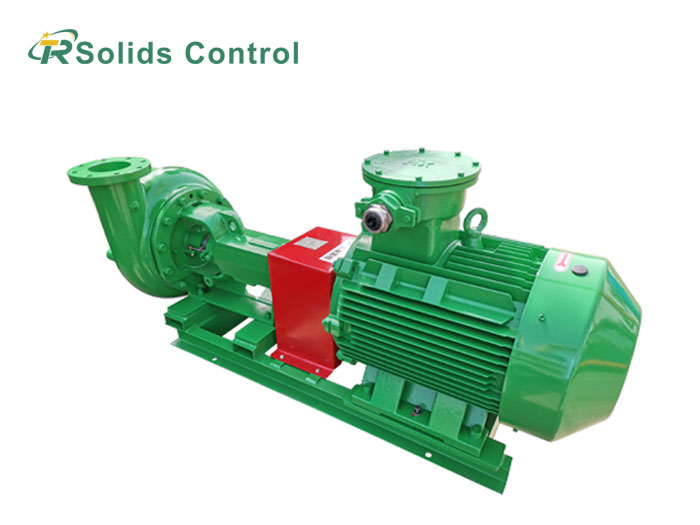
| Mud pump | Pressurized fluid delivery | Draws drilling fluid from the active mud tank and pumps it through the drill string to the bit |
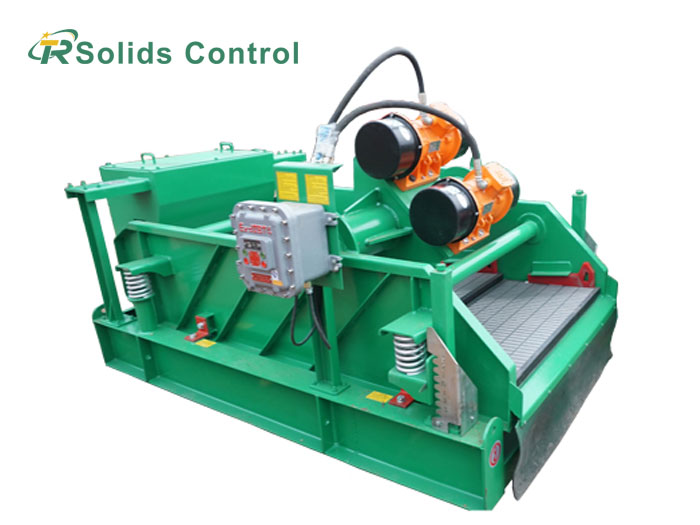
| Shale shaker | Primary solids removal | Receives returning drilling fluid and separates drill cuttings through vibrating screen panels |
The mud pump provides the flow needed to circulate drilling fluid through the well. As the fluid passes through the drill bit, it carries drilled cuttings back to the surface through the annular space between the drill string and the wellbore.
The returning fluid then flows to the shale shaker, where the screen panels separate larger solid particles from the liquid. The screened fluid falls into the mud tank and can be pumped back into the well.
The mud pump therefore supports fluid circulation, while the shale shaker handles the first stage of solids removal at the surface. If the shaker cannot process the returning flow effectively, more drilled solids may remain in the active mud system. This can affect mud properties and increase the solids load on downstream equipment.
The two machines operate at different stages of a continuous circulation process. The following sequence shows how drilling fluid moves between the well and the surface equipment.
The mud pump delivers drilling fluid to the well
The mud pump draws drilling fluid from the active mud tank and pressurizes it before sending it through the high-pressure discharge line and drill string. The fluid travels to the drill bit, where it cools and lubricates the bit and helps carry drilled cuttings away from the bottom of the hole.
Drilling fluid returns with drill cuttings
After leaving the bit, the drilling fluid moves upward through the annular space between the drill string and the wellbore. It carries drill cuttings and other solids generated during drilling back to the surface.
The returning fluid is not pumped to the shale shaker by the mud pump. It normally flows through the return line or flowline to the shaker.
The shale shaker removes drilled solids
The returning drilling fluid enters the shale shaker through its feed box or distribution system. Vibrating screen panels separate drill cuttings from the liquid phase.
The separated cuttings are discharged from the screen deck, while the screened drilling fluid falls into the mud tank below. Screen selection and operating conditions affect how much solid material the shaker removes.
Screened drilling fluid returns to the active mud tank
After passing through the shaker screens, the drilling fluid collects in the tank compartment. It can then be checked, treated or transferred as required before being drawn by the mud pump for another circulation cycle.
Both machines continue operating as part of the circulation loop
During normal drilling, the mud pump maintains the required circulation rate, while the shale shaker continuously processes the returning fluid. Their operating conditions need to be coordinated so that the surface solids-control equipment can handle the actual volume of returning mud.
The mud pump and shale shaker are selected according to different operating requirements. However, their capacities must be considered together when designing a drilling fluid circulation system.
Pump discharge rate and shaker processing capacity
The mud pump discharge rate is an important reference when determining the required processing capacity of the shale shaker.
However, the two values should not be matched using a fixed percentage alone. Actual return flow can be affected by drilling conditions, fluid losses, wellbore volume and other operating factors.
When selecting a shaker, consider the expected circulation rate and the actual volume of returning drilling fluid. The shaker should have sufficient processing capacity to handle the anticipated flow without excessive mud overflow or unstable feeding.
Screen selection and drilling fluid conditions
Screen selection directly affects the solids removal performance of the shale shaker.
A finer screen may remove smaller particles, but it can also reduce fluid throughput or become more prone to blinding when the drilling fluid has high viscosity or contains sticky solids.
Water-based, oil-based and synthetic-based drilling fluids may behave differently on the screen deck. Screen selection should therefore consider the fluid properties, drill cuttings characteristics, required separation performance and available screen area.
Stable mud return and screen feeding
The returning mud should be distributed evenly across the screen panels. Uneven feeding can cause part of the screen area to carry more load than the rest, reducing the effective screening area and increasing the risk of overflow.
The flowline arrangement, feed box design and shaker installation position all affect how returning mud reaches the screen deck.
Mud tank capacity and pump suction conditions
The mud tank must provide sufficient working volume to support continuous circulation. The screened fluid should collect in the correct compartment without allowing untreated returning mud to mix directly with the clean suction supply.
The mud pump also needs a stable supply of drilling fluid. Low tank levels, poor suction conditions or excessive solids accumulation can affect pump operation.
Operating sequence and equipment monitoring
The shale shaker should be running and ready to receive returning fluid before drilling circulation begins. Operators should also check the screen condition, mud distribution and tank level during operation.
If the shaker stops while drilling fluid continues returning, solids may accumulate in the return system or overflow at the shaker inlet. Any start-up, shutdown or alarm interlock should follow the actual equipment configuration and site operating procedures.
At TR Solids Control, shale shakers and mud pumps are selected according to the requirements of the complete drilling fluid system rather than treated as isolated machines.
Several factors are considered during equipment selection and system configuration:
Processing capacity: Shale shaker capacity is evaluated against the expected drilling fluid return flow and operating conditions.
Screen configuration: Screen specifications are selected according to the drilling fluid type, solids characteristics and required separation performance.
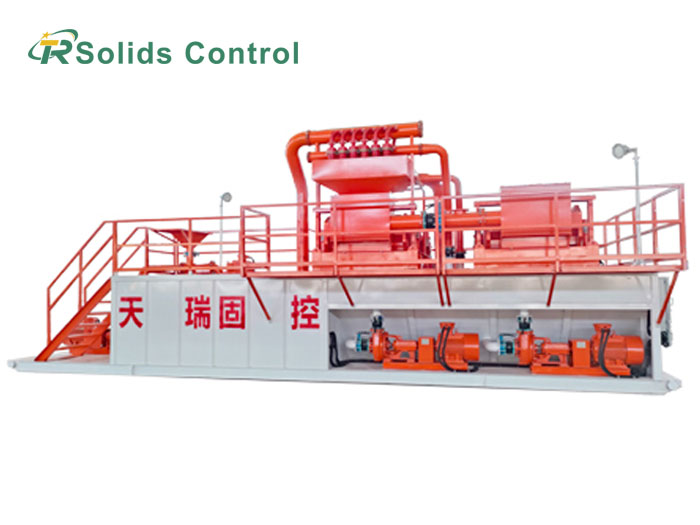
Equipment arrangement: The flowline, shaker feed system and mud tank compartments are arranged to maintain a stable return flow and prevent untreated mud from bypassing the primary separation stage.
Pump operating conditions: Pump displacement, discharge pressure and suction conditions are considered according to the circulation requirements and the specific pump application.
System integration: Shale shakers, mud tanks, pumps and downstream solids-control equipment are configured to work together within the available site space and operating conditions.
TR provides shale shakers, mud pumps and other solids control equipment for drilling fluid circulation and treatment systems.
For a complete mud recycling system, the goal is to maintain a stable flow from the mud tank to the well and back through the surface solids-control equipment.

Address: No.2 Huochang Road, Yangling District,Xianyang City, Shaanxi Province, China
Tel: +86-18509252400
Wechat: 18509252400
Email: info@mudsolidscontrol.com
Contact: Mr.Li
 +86-18509252400