Contact Person: Mr.Li
Mobile: +86-18509252400
Wechat: 18509252400
Email: info@mudsolidscontrol.com
Address: No.2 Huochang Road, Yangling District,Xianyang City, Shaanxi Province, China
When drilling fluid costs start climbing, the shaker screens are often the first thing crews check. That is understandable. Blinding, poor drainage and wet cuttings are easy to see. But some of the larger costs build up elsewhere: barite that has to be replaced, fresh fluid added to bring mud properties back under control, and cuttings that cost more to haul away because they retain too much liquid.
For drilling contractors and oilfield service companies, the important question is not simply whether each machine is running. It is whether the drilling mud processing system is removing the right solids without wasting valuable drilling fluid. Material purchases, dilution records and disposal bills, reviewed alongside equipment performance, give a clearer picture of where costs are coming from than replacing components one by one.
| What you see on the rig | Where the money goes | First place to check |
| Barite make-up keeps rising | Barite purchases, freight and mixing time | Barite losses and centrifuge operating settings |
| Mud weight needs frequent correction | Additional fluid, chemicals and mixing | Fine-solids buildup and changes in mud properties |
| Cuttings leave the shaker wet | Haulage and disposal charges | Screen condition, feed distribution and available drying capacity |
| Fine solids keep building up | More dilution or mud replacement, potentially alongside higher torque and drag | Hydrocyclone performance, centrifuge settings and bypass lines |
| Screens need replacing every few hours | Replacement screens and rig time | Screen selection, blinding and uneven feed |
Compare these problems with your own operating records. Rising barite purchases point to possible losses during processing or problems with recovery. If dilution is increasing, check for fine-solids buildup and changes in mud properties. If disposal charges are the main concern, look at how much liquid leaves the site with the cuttings and how your disposal contract calculates the cost.
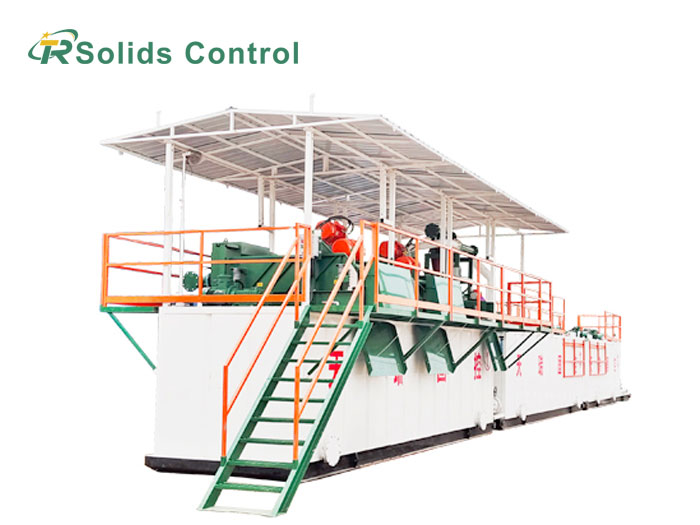
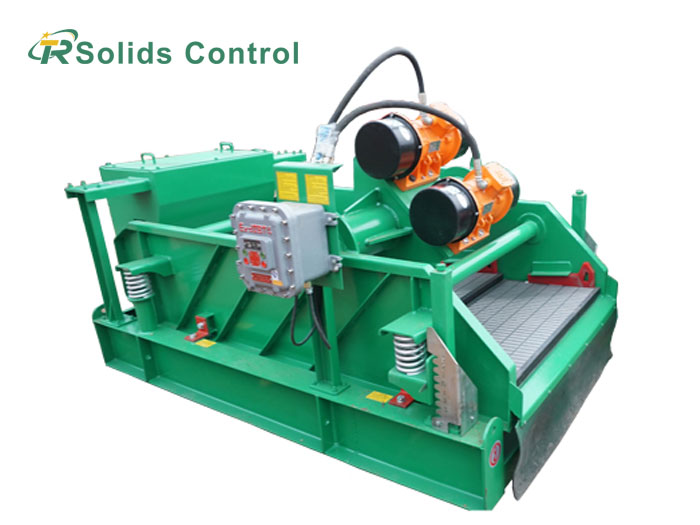
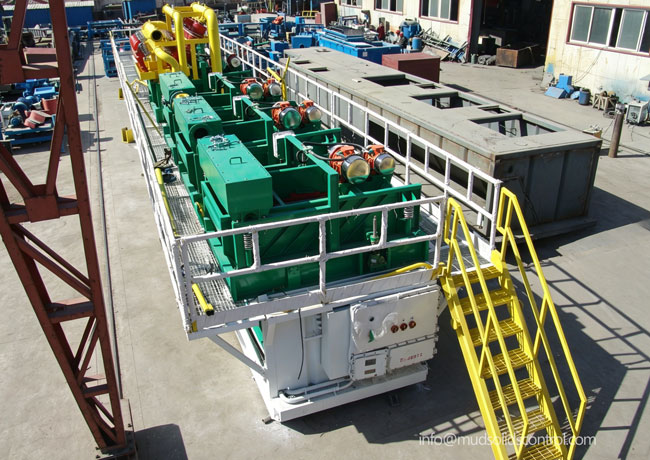
A drilling mud processing system works as a sequence. The shaker removes the larger solids retained by its screens, hydrocyclones handle finer particles, and the centrifuge separates finer solids that remain in the mud. When one stage is poorly matched to the feed or operating conditions, more solids can pass downstream and increase the load on the next stage.
The shale shaker deserves attention first because its performance affects the rest of the process. A finer screen is not automatically a better choice. Screen conductance, available screening area, mud properties and feed distribution all affect throughput. If the mud is concentrated on one part of the deck, changing the mesh alone is unlikely to solve the problem.
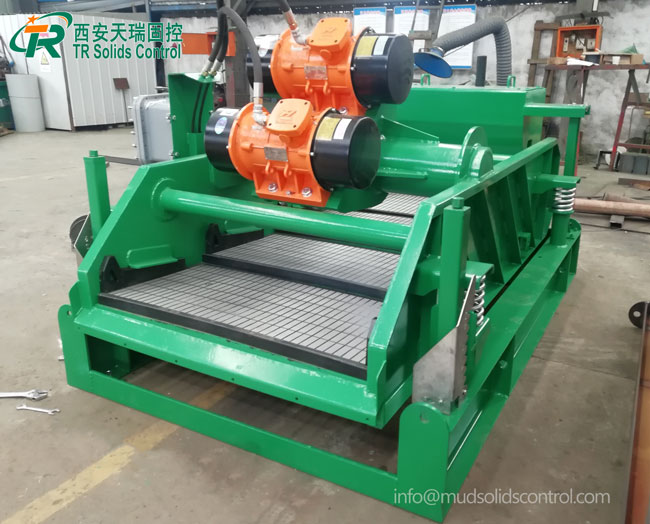
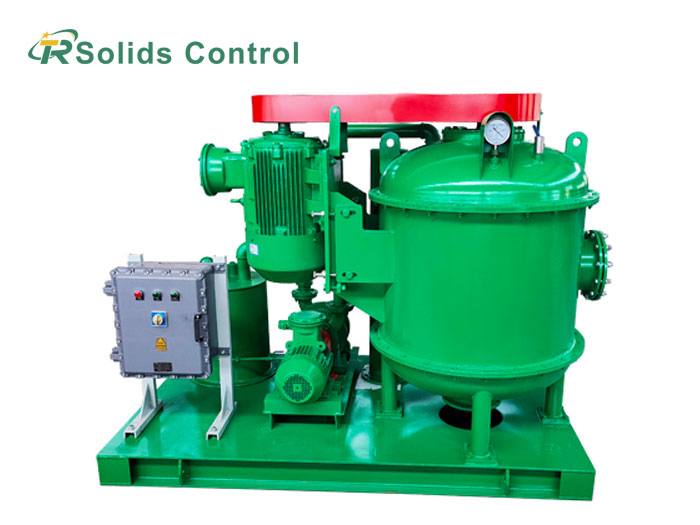
Gas removal is a separate job. A vacuum degasser removes entrained gas from drilling fluid; it does not replace the equipment used to separate drilled solids.
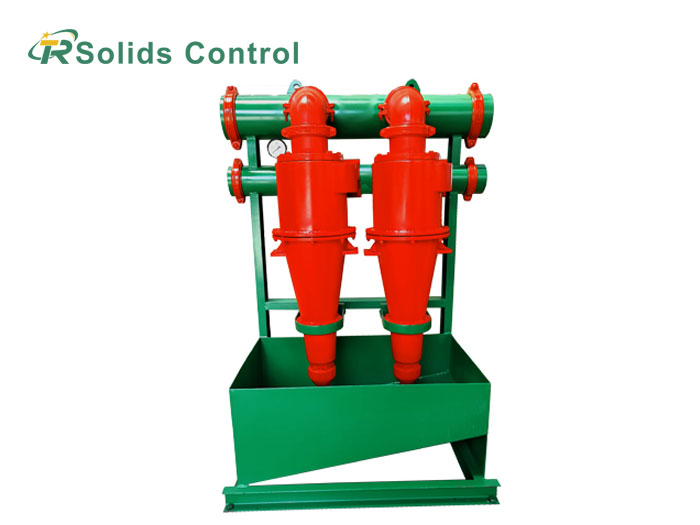
Hydrocyclones remove solids that pass through the shaker. Desander cones commonly target particles around 45 to 75 microns, while desilter cones generally target smaller particles around 15 to 45 microns. These are typical selection ranges rather than fixed field cut points. Actual separation depends on the cone design, feed pressure, flow rate and mud properties.
If your desander or desilter is not performing as expected, check the feed pump and piping before considering a replacement cone bank. Incorrect feed pressure or insufficient flow can undermine separation even when the cones are in good condition. Replacing the cones without checking their feed conditions risks spending money without fixing the cause.
A decanter centrifuge handles finer solids that remain after screening and hydrocyclone separation. Its performance depends on the feed, bowl speed, differential speed and mechanical condition. What matters is how well it controls solids under actual operating conditions, not whether a quoted particle-size figure looks impressive.
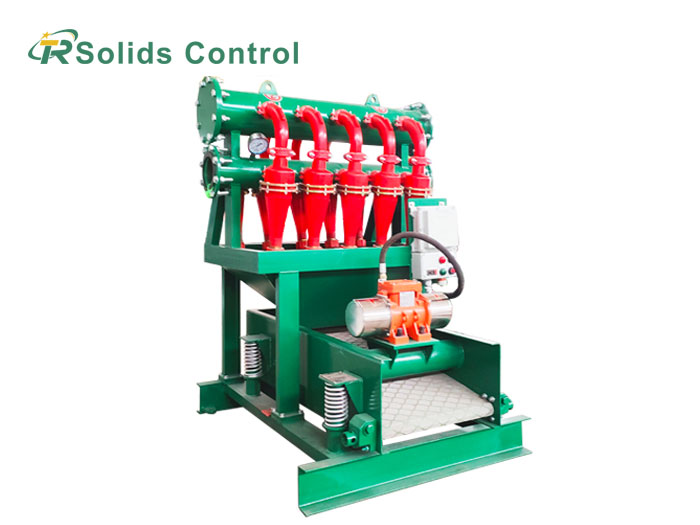
A mud cleaner combines hydrocyclones with a fine screen in a compact arrangement. It is useful where space is limited, but it is not a universal substitute for a complete solids-control system. The right arrangement depends on the solids load, the required separation and the equipment already installed.
The decision to add equipment comes down to what the system is losing and how much that loss costs.
In weighted drilling mud, barite lost with discarded solids can become a substantial recurring expense. Around 12 ppg is sometimes used as an initial reference when considering barite recovery, but it is not a universal break-even point. Your mud composition, barite content, drilling interval, expected recovery and operating costs determine whether the investment makes sense.
Barite recovery and fine-solids removal are different operating objectives. In weighted mud, the aim is to retain valuable barite while controlling unwanted fine drilled solids. A centrifuge configuration suitable for one objective is not automatically suitable for the other. Make sure the supplier understands which result matters most for your drilling program.
Consider a simple example using your purchasing records. If an interval consumes 12 tons of barite at a delivered price of USD 600 per ton, the purchase cost is USD 7,200. If a recovery process actually reduces replacement demand by one-third, the gross saving would be USD 2,400 for that interval.
That is a hypothetical calculation, not a forecast of equipment performance. To work out the payback period, account for power, maintenance, consumables and other operating costs, then compare the net saving with the equipment investment. Ask the supplier to explain the recovery assumptions behind the quotation and how they relate to your operating conditions.
Cuttings disposal can be another major expense. When haulage is charged by volume or tonnage, cuttings with high liquid content increase the material being transported. The potential saving from further treatment depends on the actual liquid content, the disposal contract, local requirements and the cost of additional processing. Check these conditions before assigning a financial benefit to lower moisture content.
Before buying another machine, review how the existing system is performing. Correct screen selection, even feed distribution and suitable hydrocyclone feed conditions are worth checking first. If the current equipment is already operating near its practical limits, compare the expected net savings from additional capacity with the full purchase and running costs.
A quotation based only on nominal circulation rate does not tell you whether the system suits your drilling conditions. Suppliers also need information about the solids load, mud properties and disposal requirements.
Start with your peak circulation rate and expected surges, the mud-weight range across the planned drilling sections, and which intervals will use weighted mud. These details establish the operating requirements and whether barite recovery needs to be considered.
Your disposal arrangements matter just as much. Provide the haulage distance, permitted cuttings condition, discharge restrictions and local environmental requirements. Available electrical power, site footprint, whether the equipment needs to move between pads, and expected ambient temperatures also affect the configuration.
Ask for a flowsheet showing the role of each processing stage and its expected operating range. If the quotation includes a recovery or cost-saving estimate, ask what assumptions support it. You should also understand how the system will perform when circulation exceeds its nominal design rate.
A machine can keep running even as its separation performance deteriorates. Catching these changes early helps avoid unnecessary fluid consumption, waste and equipment replacement.
On the shaker, check screen condition and feed distribution before changing the mesh. Uneven feed wastes usable screening area and can contribute to blinding. Comparing operating records over time also makes it easier to spot a genuine performance change rather than reacting to a single observation.
On hydrocyclones, watch the underflow pattern. A rope-like discharge can indicate an obstructed or worn apex, or unsuitable feed conditions. Check the cause before changing the cone bank.
On the centrifuge, wet solids discharge or rising torque calls for a review of feed conditions, operating settings and mechanical wear. Conveyor wear is one possible cause of declining performance, so include wear-tile inspection in the maintenance schedule and replace parts before they reach the manufacturer's minimum thickness.
Start with the largest recurring expense in your operating records. Trace it to the relevant processing stage, check the operating conditions, and compare the cost of correcting the problem with the cost of adding equipment. This gives you a sounder basis for an investment decision than comparing equipment prices alone.
If you share your circulation rate, mud-weight range, weighted drilling intervals and cuttings disposal requirements, our team can review your operating conditions and recommend a drilling mud processing system suited to your project.

Address: No.2 Huochang Road, Yangling District,Xianyang City, Shaanxi Province, China
Tel: +86-18509252400
Wechat: 18509252400
Email: info@mudsolidscontrol.com
Contact: Mr.Li
 +86-18509252400