Contact Person: Mr.Li
Mobile: +86-18509252400
Wechat: 18509252400
Email: info@mudsolidscontrol.com
Address: No.2 Huochang Road, Yangling District,Xianyang City, Shaanxi Province, China
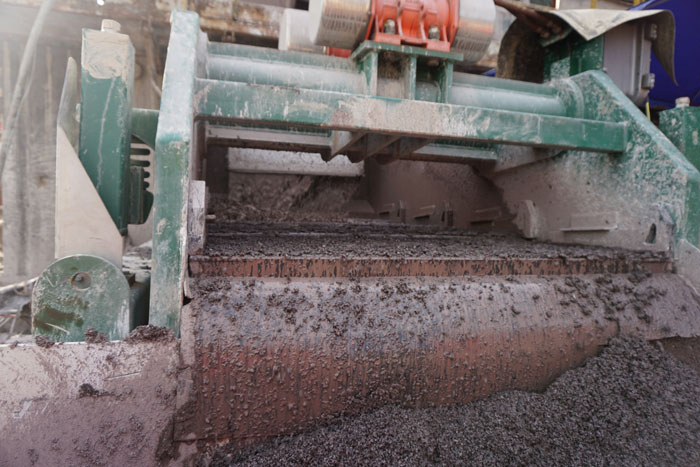
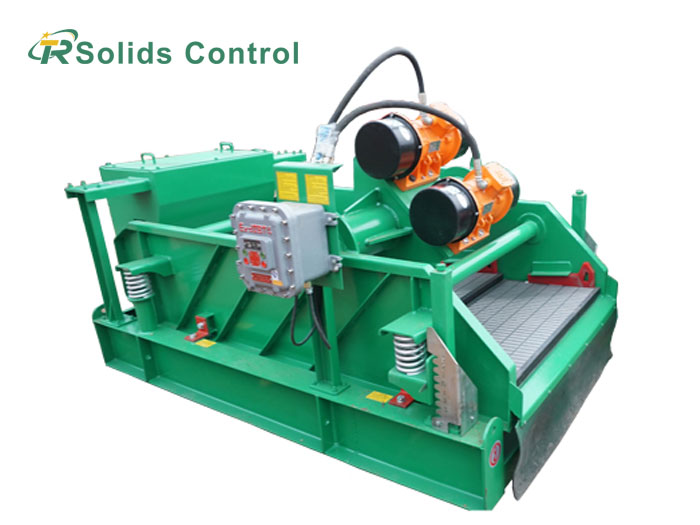
The shale shaker is the first stage of solids control. The screen decides how much drilled solids leave the mud before it reaches the tanks.
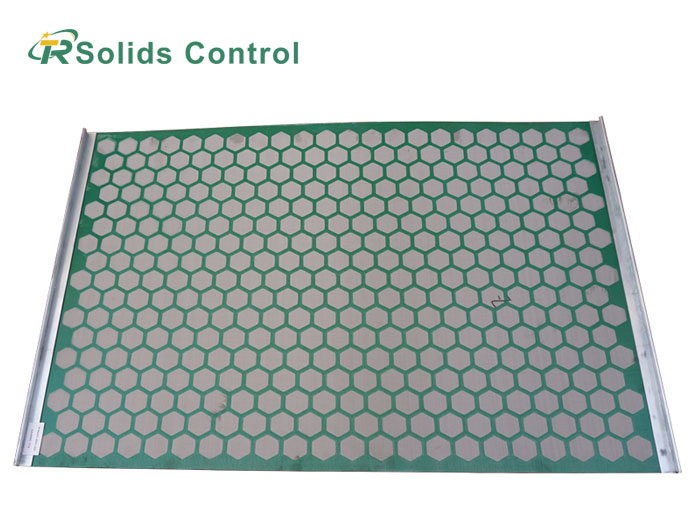
TR Solids Control supplies shaker screens and the accessories that hold them in place to contractors drilling in Egypt. The range covers Derrick FLC 2000 wave screens in API 100 to 200, Derrick FLC 500 corrugated screens, and PMD 2000 screens.
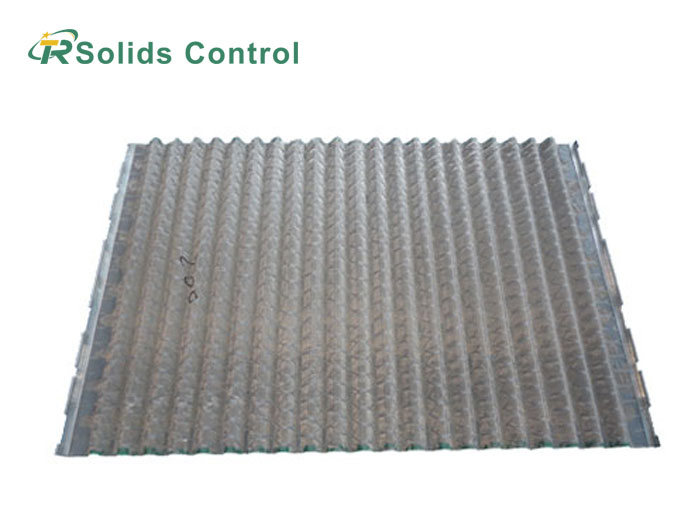
A recent consignment went to an Egyptian drilling platform. It carried FLC 2000 and FLC 500 corrugated screens with 3660 rubber sealing strips, 1129 rubber springs and 12408 clamp bolts. The customer's feedback after the screens went into service was positive.


Four builds cover nearly every shaker in service: flat, wave, frame and layered.
Flat screens are the standard panel and the cheapest per panel. They suit conventional shakers working a moderate solids load. Raise that load and the deck starts to pool. The mesh blinds, throughput drops, and crews end up changing panels more often than the shift can absorb.
Wave screens fold more screening area into the same footprint. We supply the corrugated type for Derrick FLC 2000 and FLC 500 shakers. The extra area keeps the mud moving instead of letting it sit on the deck, so a panel runs longer between changes. They cost more per panel. Compare them on cost per drilling hour, not on unit price.
Frame screens bond the mesh to a high strength steel frame. Use them for coarse cuttings and abrasive formations, where the impact would tear a lighter panel at the hook strip.
Layered screens stack two to four meshes of different sizes. The coarse mesh carries the load and the finer meshes do the separation. Graded filtration holds the cut point longer, which suits long sections.
Drilling fluid shaker screens run from API 16 to API 450. Coarse panels belong where the cuttings are still large. Finer panels go where the aim is to keep mud weight from climbing.
Desander and desilter screens run API 80 to API 325. They recover drilling fluid from the fine solids the cones discharge. If a rig is losing whole mud at the desander, look at the screen before the cones.
The sealing strip, the shock absorbing spring and the clamp bolt decide whether a panel lasts.
Sealing strips close the gap between the screen and the frame. They stop slurry bypassing the panel, and they take some of the vibration off the mesh. TR supplies the 3660 strip in wear resistant rubber or polyurethane. Polyurethane lasts longer against abrasive solids and costs more.
Shock absorbing springs, model 1129, support the screen box and keep vibration out of the equipment base. A soft spring set shows up as uneven basket motion and screens wearing on one side.
Clamp bolts are the item nobody orders until a panel sits loose in the frame. Model 12408 fits the Derrick FLC 2000, and it ships with the screens.

Rigs in Egypt buy screens against a long lead time rather than off a local shelf. We ship panels and accessories in one consignment, so nothing arrives without the strips or bolts needed to install it. Derrick part numbers are stocked, so repeat orders skip the drawing stage.
Screens are manufactured to API requirements. Where a standard panel does not match the shaker or the mud programme, we build to specification. That covers panel dimensions, mesh count, frame material and hook strip configuration.
Send us the shaker model, the solids load and the mesh you are running now. We will quote the screens with the strips, springs and bolts that fit them.

Address: No.2 Huochang Road, Yangling District,Xianyang City, Shaanxi Province, China
Tel: +86-18509252400
Wechat: 18509252400
Email: info@mudsolidscontrol.com
Contact: Mr.Li
 +86-18509252400