Contact Person: Mr.Li
Mobile: +86-18509252400
Wechat: 18509252400
Email: info@mudsolidscontrol.com
Address: No.2 Huochang Road, Yangling District,Xianyang City, Shaanxi Province, China
A ZJ30 rig and a ZJ70 rig can require very different solids control equipment configurations. Mud circulation rate, drilling fluid properties, formation conditions, and the equipment included in the order all affect the final cost.
For overseas drilling contractors, the equipment price is only part of the project budget. Export packing, freight, installation, commissioning, and spare parts should also be included when estimating the total cost.
TR has supplied solids control systems for ZJ30, ZJ50, and ZJ70 drilling rigs in projects in China, Kyrgyzstan, and India.
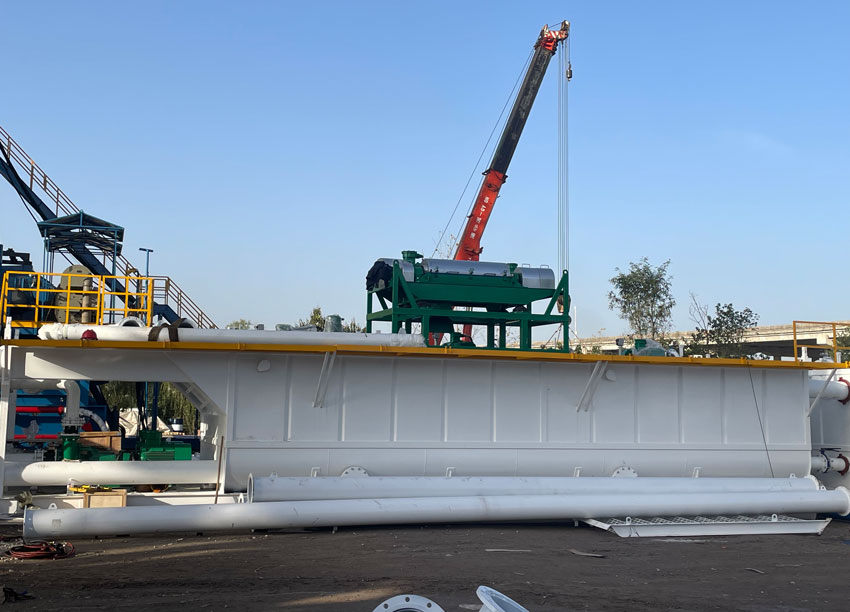
Rig size provides a starting point for estimating the equipment needed. Drilling conditions and mud treatment requirements can change the final equipment list.
| Rig Size | Typical Equipment Scope | Main Cost Considerations |
|---|---|---|
| ZJ20–ZJ30 | Shale shakers, vacuum degasser, desander, desilter, mud tanks, and centrifuge where required | Processing capacity, mud properties, tank volume, and treatment requirements |
| ZJ40–ZJ50 | Shale shakers, downstream treatment equipment, centrifuge, mud tanks, and transfer equipment | Equipment capacity, tank layout, and site conditions |
| ZJ70 and above | Multiple shale shakers, larger mud tank systems, centrifuges, and auxiliary equipment | Number of processing units, tank construction, electrical specifications, and supporting facilities |
ZJ20 to ZJ30 rigs
On ZJ20–ZJ30 rigs, drilling through formations with high solids loads or challenging mud conditions may require more than a basic shale shaker and hydrocyclone setup.
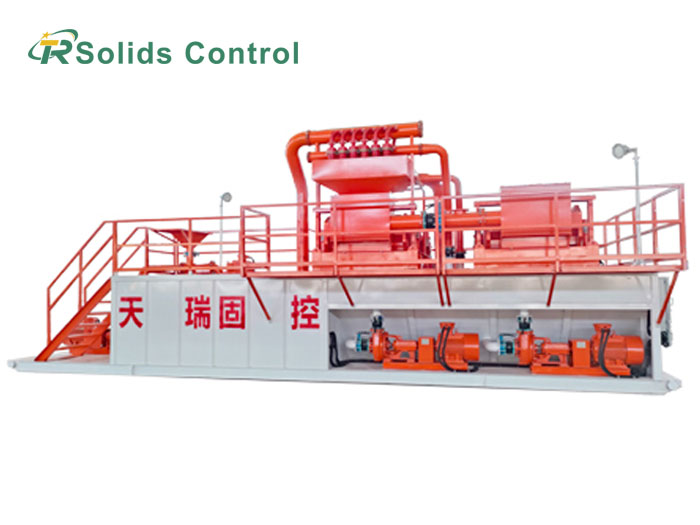
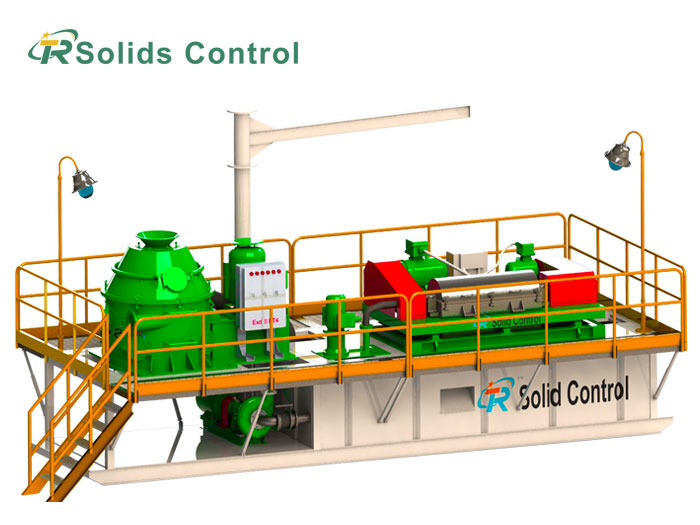
For a ZJ30 shale gas project in Sichuan, TR supplied a system with a maximum processing capacity of 240 m³/h. The package included two shale shakers, a vacuum degasser, a desander, a desilter, and a separate decanter centrifuge. The system handled water-based mud in a high-clay formation.
See the ZJ30 solids control system case in Sichuan.
ZJ40 to ZJ50 rigs
On ZJ40–ZJ50 rigs, tank layout, the number of treatment units, and mud flow requirements all affect the equipment list and tank fabrication cost.
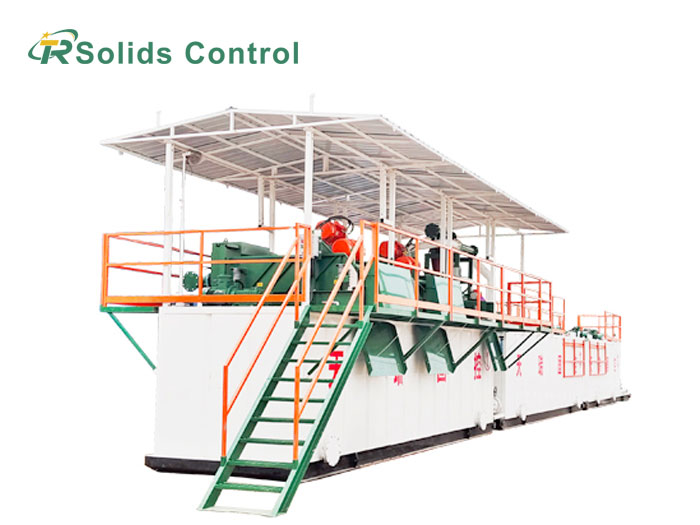
For a ZJ50 project in Kyrgyzstan, TR supplied a modular mud tank system equipped with shale shakers, a vacuum degasser, a desander, a desilter, and a medium-speed centrifuge. The tanks also included thermal insulation and freeze-protection measures for cold-weather operation.
See the ZJ50 solids control system case for Kyrgyzstan.
ZJ70 and larger rigs
A ZJ70 system may include several shale shakers, larger mud tanks, and equipment for mud mixing and transfer.
For an Indian ZJ70 project, TR supplied three shale shakers, a vacuum degasser, a combined desander and desilter unit, and a decanter centrifuge. The order also covered mud mixing and transfer equipment. An explosion-proof electrical system, mud testing laboratory, and other site facilities were included as well.
The mixing equipment, laboratory, and additional facilities were specific to this project, not standard requirements for every ZJ70 rig.
See the ZJ70 drilling rig solids control system case for India.
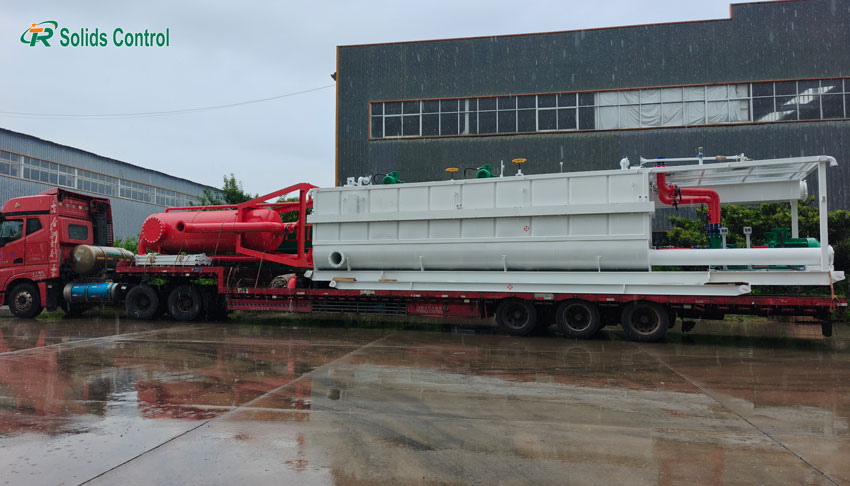
The system must handle the mud circulation rate specified for the rig.
Shale shakers, desanders, desilters, mud cleaners, and pumps must be sized for the expected mud flow. Where several units operate in parallel, their number and rated capacities must be considered together.
Tank dimensions, compartment layout, and equipment positions must match the required mud flow and available site space. These details affect tank fabrication, equipment installation, and overall package dimensions.
When comparing quotations, check the required flow against the rated capacity of each unit and the number of units operating in parallel. Do not estimate the overall system capacity by simply adding the rated capacities of individual units. The complete treatment arrangement must be considered.
Water-based mud, oil-based mud, and weighted drilling fluids require different treatment arrangements.
With weighted mud, fine-solids removal needs to be balanced against barite recovery. Centrifuge selection and operating settings should account for both.
Whether to include a decanter centrifuge depends on the mud properties, the solids removal target, and whether barite recovery is required.
Cuttings treatment equipment may also be required where environmental regulations or local rules restrict how drilling cuttings can be handled or disposed of. This adds equipment and waste-handling costs to the project.
Some quotations cover only the main solids control equipment; others also include mud tanks, pumps, agitators, piping, and electrical systems. Compare the equipment models, quantities, accessories, and included services to make sure the quoted supply scopes are equivalent.
Tank dimensions, the number of compartments, steel plate thickness, and equipment layout all affect fabrication cost.
Confirm the electrical specifications before production. Explosion-proof ratings, motor voltage, frequency, and site-specific standards affect the selection of motors, control panels, and other electrical components.
The equipment quotation may not cover every cost involved in getting the system to the rig and ready for operation. Check the following items before placing the order.
Mud tank dimensions and weight determine how the equipment can be shipped. Depending on the package size, equipment may be shipped in standard containers, on flat racks, or by break-bulk shipping.
Check whether the freight quotation includes port handling, ocean freight, and destination charges.
Confirm the export packing, loading arrangement, shipping terms, and inland transport costs before placing the order.
Site installation may involve tank lifting, piping connections, electrical cabling, and equipment alignment. These tasks require local labor and coordination.
Some buyers use supplier technicians for on-site commissioning, while others arrange local installation with remote technical support. Agree in advance who will handle installation and commissioning, whether supplier technicians will be on site, and which costs are included.
Shaker screens, hydrocyclone liners, pump impellers, mechanical seals, belts, and centrifuge wear parts need periodic replacement. Replacement intervals depend on the equipment type, drilling conditions, and operating hours.
For the initial spare parts order, prioritize components that could take equipment out of service if unavailable. Check their specifications, quantities, and replacement lead times before finalizing the order.
For overseas projects, keeping critical spare parts at the site can reduce downtime when replacement parts take a long time to arrive.
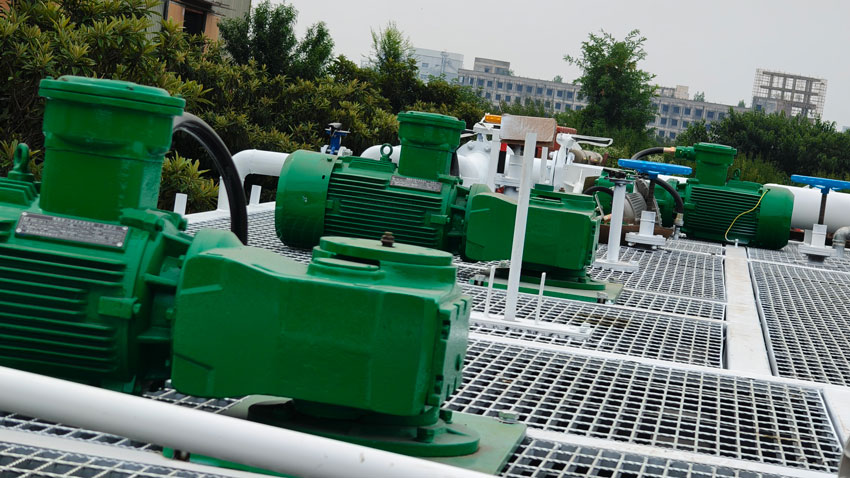
The main differences between new, in-stock, and refurbished equipment are upfront cost, delivery time, and customization options. For used equipment, condition and remaining service life also need to be considered.
New equipment allows buyers to specify the system configuration, tank dimensions, motor ratings, and electrical requirements before production.
Customization and production lead time affect the price and delivery schedule. Confirm factory testing, inspection arrangements, and warranty coverage in the purchase agreement.
Stock equipment can shorten delivery time if its specifications match the job.
However, stock availability does not automatically mean a lower price. Existing equipment may not match the required tank dimensions, motor ratings, electrical specifications, or processing capacity. Modifications can add to the cost and delay delivery.
Check the storage condition, equipment completeness, and readiness for operation before purchasing, especially when the equipment has been in storage for an extended period.
Refurbished equipment generally costs less upfront than new equipment, but its condition and remaining service life need careful assessment.
For a shale shaker, inspect the screen deck, vibration motors, bearings, and supporting structure. For a decanter centrifuge, pay particular attention to the bowl, scroll, bearings, drive system, and wear parts.
Ask for inspection records, details of replaced components, test results, and warranty conditions. Photographs alone cannot establish the condition of internal components. Check the availability and cost of replacement parts before making a purchase decision.
To prepare an accurate quotation, suppliers need more than the rig model. They also need details about the drilling conditions, mud flow, equipment list, and site layout.
Before requesting a quotation, prepare the following project details:
Rig model and drilling program: For example, ZJ30, ZJ50, or ZJ70, together with the type of drilling operation.
Required circulation rate: Expected mud flow and the processing capacity required from the solids control system.
Mud type and drilling conditions: Water-based mud, oil-based mud, weighted mud, formation characteristics, and specific treatment requirements.
Equipment requirements: Equipment list, processing capacity, and whether the order covers individual units or a complete solids control package.
Mud tank dimensions and layout: Available site space, tank arrangement, compartment requirements, and connection positions.
Electrical specifications: Power supply, motor voltage, frequency, and hazardous-area requirements.
Project location and delivery schedule: Destination, required delivery date, and transportation arrangements.
Installation and spare parts: Whether on-site installation, commissioning, technical support, and an initial spare parts package are required.
Send TR the rig model, mud circulation rate, mud type, equipment list, and tank layout. We can use these details to prepare a project quotation.

Address: No.2 Huochang Road, Yangling District,Xianyang City, Shaanxi Province, China
Tel: +86-18509252400
Wechat: 18509252400
Email: info@mudsolidscontrol.com
Contact: Mr.Li
 +86-18509252400