Contact Person: Mr.Li
Mobile: +86-18509252400
Wechat: 18509252400
Email: info@mudsolidscontrol.com
Address: No.2 Huochang Road, Yangling District,Xianyang City, Shaanxi Province, China
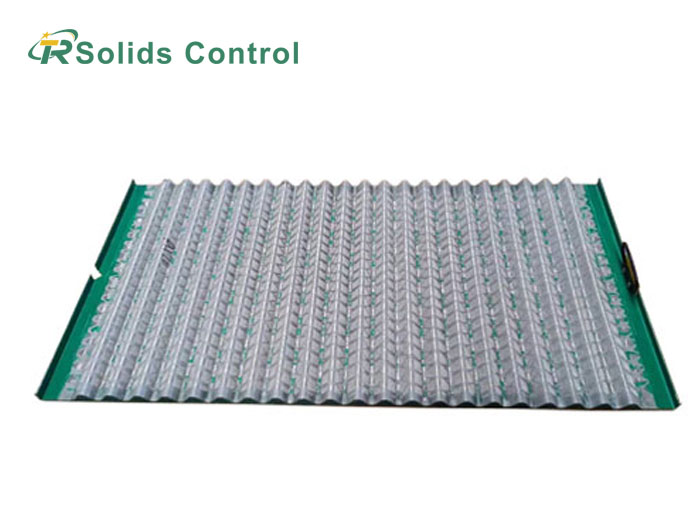
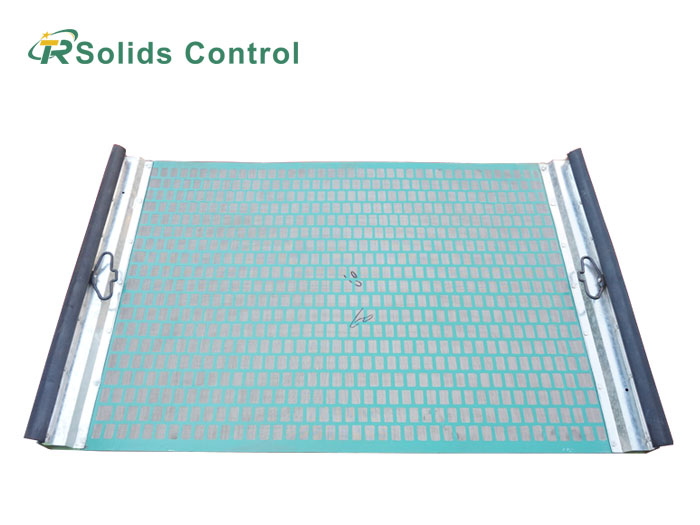
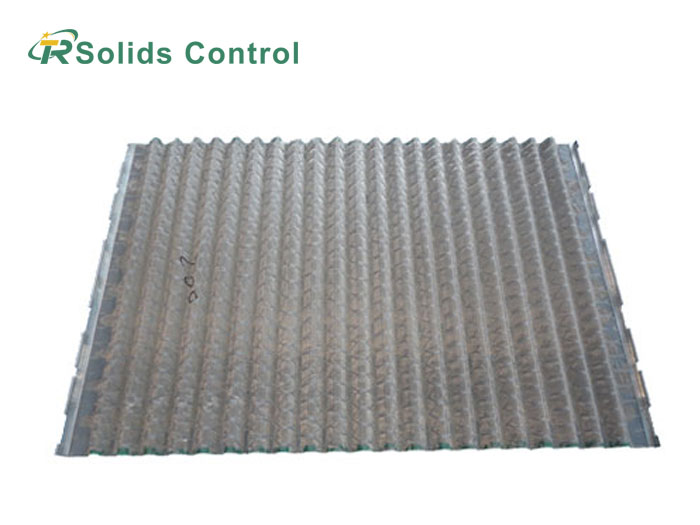
The shale shaker screen plays an important role in the solids control system, as it is the first component to contact drilling fluid and drilled solids during the separation process. Its condition directly affects screening performance, processing capacity, and the recovery of valuable drilling fluid.
In daily drilling operations, shaker screens are exposed to harsh working conditions, including high temperatures, heavy solids loading, corrosive drilling fluids, and continuous vibration. Over time, these factors can lead to screen damage and reduced separation efficiency. This article discusses the common shaker screen failures, their causes, and practical ways to prevent or solve these problems.
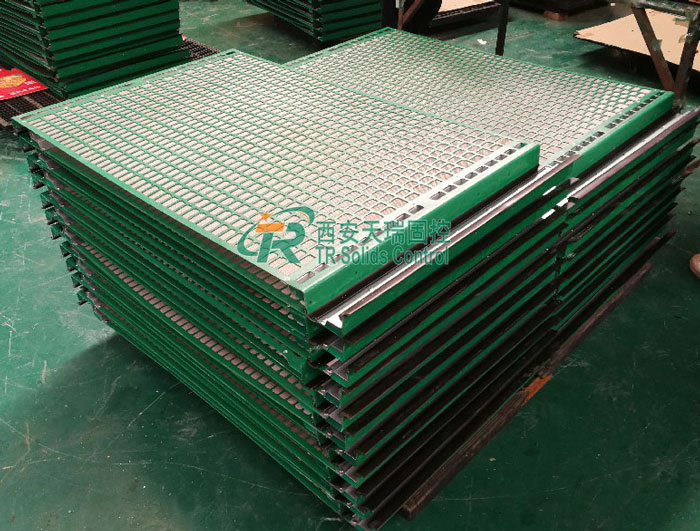
Frequent shaker screen clogging usually comes down to a few things. One is selecting the wrong screen mesh size. If the mesh size does not match the drilled solids you are handling, large particles pile up and block the surface.
High mud viscosity is another factor. Thick fluid lets fine solids stick to the screen openings and restricts flow. Vibration settings also play a role. When they are off, solids do not move across the screen properly and the screen does not stay clean. And without regular cleaning, leftover solids harden in the holes over time.
Solutions:
① Select a screen mesh size that matches the actual solids distribution.
② Adjust drilling fluid properties to keep viscosity under control, within process limits.
③ Tune motor frequency or vibration settings to improve solids movement and screen clearing.
④ Wash screens regularly with high-pressure water or a suitable cleaning agent to prevent buildup.
Localized shaker screen damage usually happens for a few reasons. Poor-quality screens or manufacturing defects can reduce screen strength and cause early failure. Incorrect installation is another common problem. If the screen is not installed properly or does not have enough tension, some areas may receive more stress and wear faster.
Uneven feed distribution can also damage the screen. When drilling fluid and cuttings continuously hit the same area, that section of the screen may wear out or tear. Foreign objects such as metal debris left inside the screen frame can also damage the screen during operation.
Solutions:
① Select reliable shaker screens and check their condition before installation.
② Install screens correctly, clean the screen frame, and make sure the screen is properly tensioned.
③ Use a feed inlet buffer plate to spread drilling fluid and cuttings evenly across the screen surface.
④ Repair minor damage when possible. Replace the shaker screen immediately if there is severe tearing or large-area damage.
The shaker screen can become misaligned due to uneven tension, vibration imbalance, or uneven feed distribution.
One common cause is incorrect screen tension adjustment, which creates uneven tension across the screen. Another possible reason is unbalanced vibration caused by incorrect eccentric block angles. If drilling fluid enters from one side of the shaker, continuous impact in the same area can also cause the screen to shift during operation.
Solutions:
① Stop the shaker and adjust the tensioning system to ensure even tension on both sides of the screen. Check that the screen is securely installed before restarting.
② Check the eccentric block angles on both vibration motors and adjust them to achieve balanced vibration.
③ Adjust the feed inlet or guide plate to distribute drilling fluid evenly across the center of the screen surface.
When screening efficiency drops without visible blockage or damage, several factors may be involved. The screen mesh may have worn over time, losing tension and reducing vibration performance. The vibration settings may no longer suit the current operating conditions. The screen inclination angle could also be incorrect, affecting how long drilling fluid remains on the screen surface. In addition, gaps between the screen and frame may allow drilling fluid to bypass the screen instead of passing through the mesh.
To improve screening performance:
① Replace the shaker screen if the mesh becomes loose, stretched, or deformed.
② Adjust vibration settings based on current drilling fluid viscosity and solids content.
③ Adjust the shaker angle according to operating requirements and keep it within the recommended range of 15°–25°.
④ Replace worn sealing strips or reinstall the screen correctly to prevent drilling fluid from bypassing the screen.
When multiple screens are used together and only some fail early, the main reason is uneven load distribution. The screen mesh sizes may not be matched properly, causing the first screen to allow larger particles through and increasing the load on the following screens.
Poor connections between screen sections can also create gaps or uneven areas where solids build up and increase local wear. In addition, if screen panels are not tensioned evenly, solids may collect on the looser panels and cause them to wear out faster.
Solutions:
① Match screens from coarse to fine mesh sizes so each stage shares the load properly.
② Check screen panel connections and replace worn seals to keep the screen surface flat and properly aligned.
③ Tension all panels evenly, keep replacement records, and inspect high-wear areas regularly.
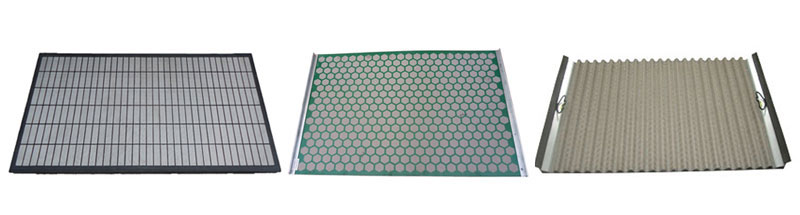
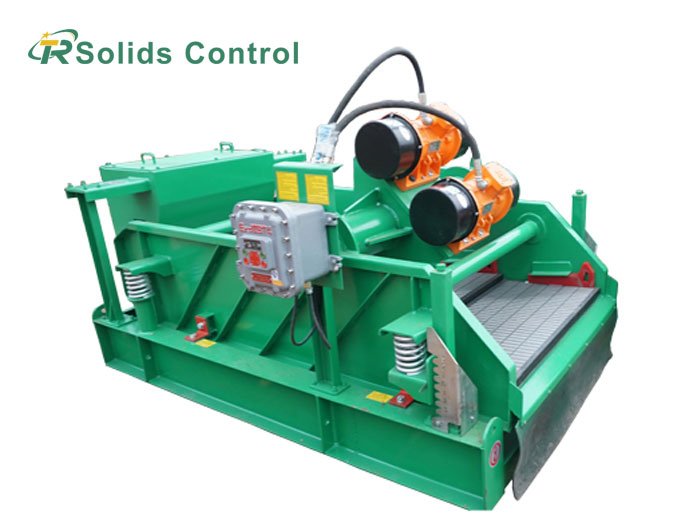
The shaker screen is a critical part of oilfield shale shakers. It takes heavy wear in drilling operations, so regular inspections and spare screens on site are essential for minimizing downtime.
TR Solids Control makes replacement screens for Derrick and SWACO shakers. They are API-certified and shipped to customers worldwide. Feedback from the field says they deliver solid performance at a competitive price.

Address: No.2 Huochang Road, Yangling District,Xianyang City, Shaanxi Province, China
Tel: +86-18509252400
Wechat: 18509252400
Email: info@mudsolidscontrol.com
Contact: Mr.Li
 +86-18509252400