Contact Person: Mr.Li
Mobile: +86-18509252400
Wechat: 18509252400
Email: info@mudsolidscontrol.com
Address: No.2 Huochang Road, Yangling District,Xianyang City, Shaanxi Province, China
Today, the oil and gas industry regards sustainability as top priority, and zero discharge have become must-have for drilling operations everywhere.
What makes zero discharge achievable? It comes down to how well you control your mud processing. If mud processing control is weak, you will keep hauling waste, buying fresh fluid, and dealing with compliance headaches. If it is strong, you can run a closed loop system that practically eliminates discharge. TR Solids Control has seen this work on hundreds of rigs, from deep oil wells to HDD projects.
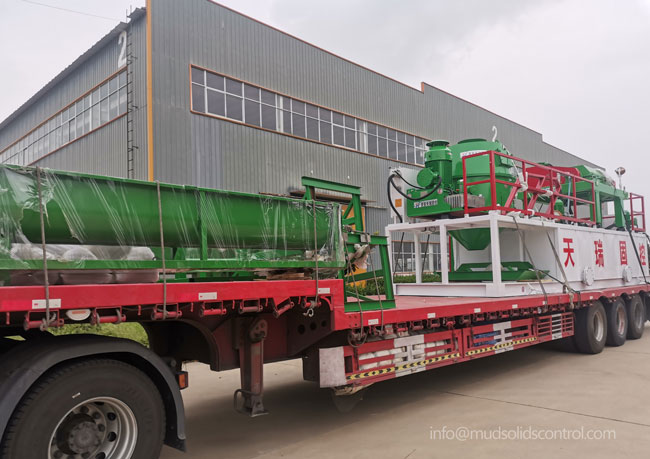
Many operators still think of solids control as just shaking cuttings out of mud. Proper mud processing control is a continuous cycle: remove solids at the right time, recover liquid phase, dry cuttings to eliminate waste discharge, and recycle drilling fluid repeatedly.
In the past, reserve pits were common. You pumped waste into a hole and buried it later. That's bad for the environment, and it's expensive too. Now international markets push for closed loop systems. Mud processing control fixes that by creating mud circulation system that cuts down on waste and gets the most out of every batch of fluid.
Good mud processing control is not one machine. It is a sequence of processes, each handling a specific solid size.
Start with shale shakers. Take out the big cuttings first. If you skip this step or use worn screens, fine solids break down and become impossible to remove later. TR Solids Control recommends checking screen mesh daily. A small change in formation can double the solids load.
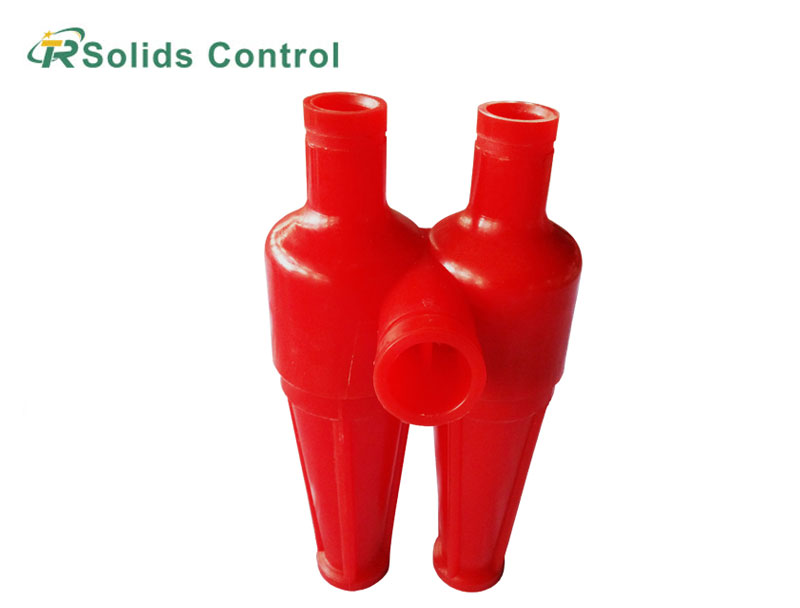
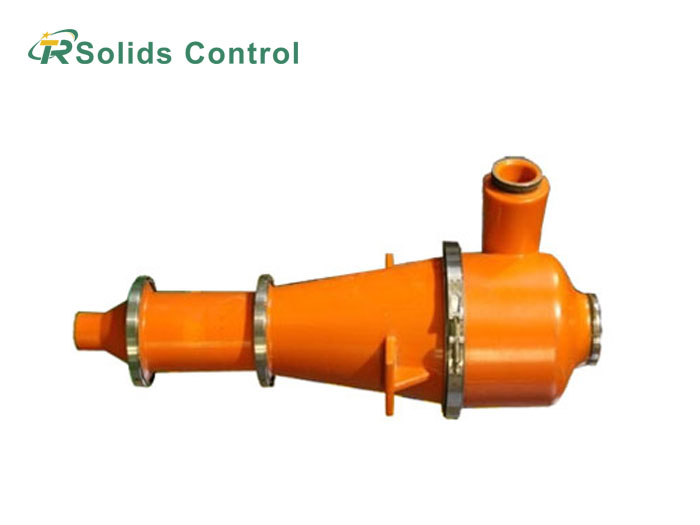
Move to hydrocyclones. Desanders catch particles down to about 40 microns. Desilters go further to 15 microns. Many rigs combine these into mud cleaner. The real value here is barite recovery. You can salvage 90 to 95 percent of your weight material from the underflow. That is real money saved.
Finish with decanter centrifuge. This is where zero discharge becomes real. A centrifuge spins the fine solids down to 2 or 3 microns. The cleaned mud goes right back to the active system. The solids come out as a dry cake. TR Solids Control builds centrifuge models like the TRLW355, TRLW450, and TRLW600. They offer explosion proof designs with ExdIIBT4 and IECEX ratings. Variable frequency drives give you control over G force depending on your mud type and formation.
For oil based mud, add vertical cuttings dryer. This unit extracts residual oil from cuttings. You can get oil on cuttings down to 3 to 5 percent. The recovered oil goes back into the system. This single step can cut your mud costs by 30 percent or more on long horizontal wells.
For water based mud, high G force drying shaker works best. It dewaters cuttings without needing centrifuge for every step. The result is drier solids that pass the paint filter test.
Some managers worry about the cost of upgrading mud processing control. But the numbers usually tell a different story.
Consider a typical onshore well. Drilling fluid costs can reach USD 200,000 or more. Recovering 90 percent of that fluid through proper mud processing control saves USD 180,000 per well. Waste disposal costs drop too. Wet cuttings are heavy and require more truck trips. Dry cuttings are lighter and often qualify for lower disposal fees. Many operators cut disposal costs by half.
There are also intangible savings. No more pit closure liability. No more surprise fines from environmental inspectors. Better relationships with local landowners because the site stays clean.
Even with good equipment, mud processing control can fail. Here are problems we see regularly.
Running centrifuges at the wrong speed. Too slow, and fine solids stay in the mud. Too fast, and you waste energy and wear out parts. Every mud system is different. The right G force depends on the solids density and flow rate.
Neglecting screens. A single torn screen lets large solids pass downstream. Those solids plug hydrocyclones and wear out centrifuge nozzles. Check screens every shift.
Bypassing the mud cleaner. Some operators send everything straight to the centrifuge. That overloads the centrifuge and pushes fine solids back into the mud. The mud cleaner should take the first cut.
Ignoring dilution control. If you keep adding fresh water to adjust mud weight, you create more volume that must be processed. A better approach is using recovered fluid for dilution. Good mud processing control includes managing the whole water balance.
TR Solids Control has been building solids control equipment since 2010. The product line covers everything from single shale shakers to complete mud recovery systems. The modular design is a practical advantage. You do not need to buy a huge system if you are running a small HDD job. You can add modules as your operation scales.
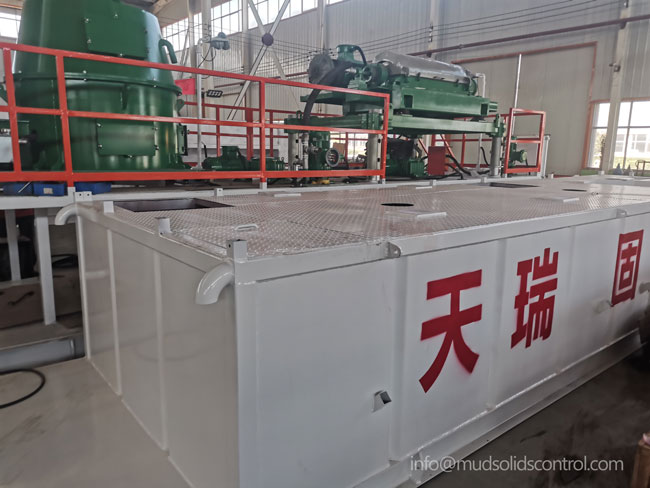
TR mud recycling system integrates shale shakers, desanders, desilters, centrifuges, and mud agitators. A PLC control panel gives you real time data on flow rates, solids load, and centrifuge speed. The system comes containerized with pre installed piping.
For drilling waste management, TR offers vertical cuttings dryers, decanter centrifuges, screw pumps, and electric control systems. All products carry API and ISO certifications. Explosion proof ratings meet international standards for Zone 1 and Zone 2 hazardous areas.
You might think mud processing control only matters for oil and gas. That is not true. Geothermal drilling has the same solids problems. Hot hard rock produces fine abrasive solids that destroy pumps and bits. A closed loop system extends equipment life dramatically.
Mud costs are a major line item on HDD jobs. Recycling fluid with a compact centrifuge and shaker pays back in weeks, not years.
Coal bed methane, water well drilling, and mineral exploration all use the same principles. If you pump fluid into a hole, solids will come back. Controlling those solids is the only way to keep drilling efficiently.
Regulations will only get tighter. Water scarcity will make recycling mandatory in many regions. Operators who invest in solid mud processing control now will have a competitive advantage. They will face less downtime from environmental violations.
Zero discharge is not a fantasy. It is a practical goal for any drilling operation willing to commit to proper mud processing control. TR Solids Control provides the equipment and field support to get there.
If you want to see what a closed loop system looks like on a rig your size, contact TR Solids Control. Ask about a site specific recommendation. The right system pays for itself faster than you think.

Address: No.2 Huochang Road, Yangling District,Xianyang City, Shaanxi Province, China
Tel: +86-18509252400
Wechat: 18509252400
Email: info@mudsolidscontrol.com
Contact: Mr.Li
 +86-18509252400