Contact Person: Mr.Li
Mobile: +86-18509252400
Wechat: 18509252400
Email: info@mudsolidscontrol.com
Address: No.2 Huochang Road, Yangling District,Xianyang City, Shaanxi Province, China
Ask any old-school mud engineer what two pieces of kit they'd pick to clean up drilling fluid. Most will say shale shaker and desander. Not that centrifuges aren't useful. They are. But the shale shaker and desander do the grunt work. Without them, everything downstream either plugs or wears out in no time. That's what drilling mud purification is really about: keeping the fluid clean at the source.
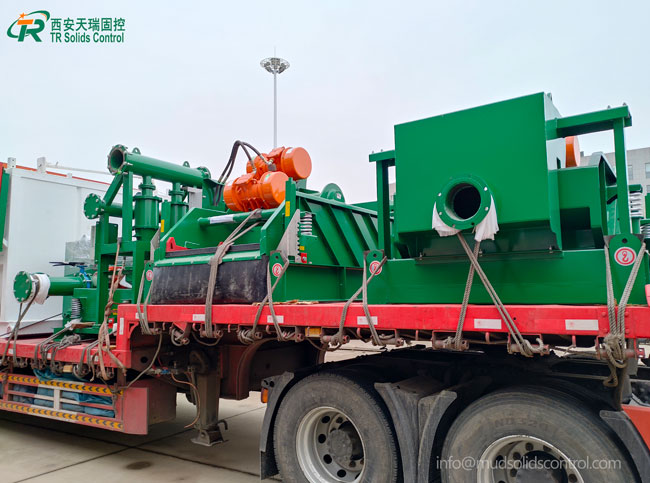
TR Solids Control has been building this gear for over 20 years. API certified. Used in oil and gas, geothermal, HDD. The shale shaker and desander form the core dual solution for reliable drilling mud purification, working together to remove solids in stages.
Flow from the well hits the shaker first. It removes large, coarse solids (>74μm) from returning mud. For effective drilling mud purification, this first stage has to be right.
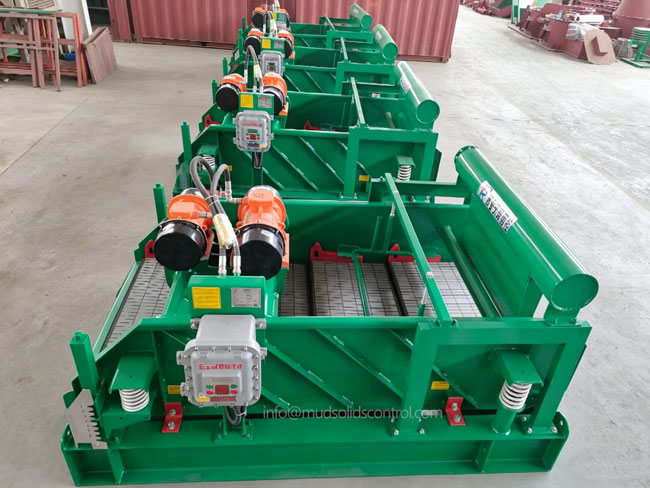
TR Solids Control's shale shaker runs linear motion, direct motor drive. You can adjust the deck angle from -1 degree up to +5 degrees. Flatter angle gives you more flow rate but wetter cuttings. Steeper angle dries the solids but cuts throughput. You dial it in on site. Screens meet API RP13C, from API 60 coarse up to API 325, which cuts down to about 40 microns. But you don't run a super fine screen on the first deck. It'll blind too fast. For most spudding jobs, API 80 or 100 is a solid starting point.
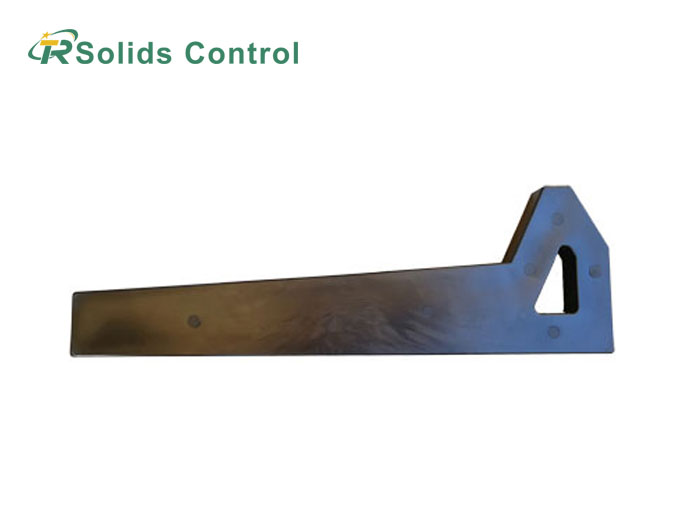
If the mud shale shaker does a bad job, big solids make it to the desander and eat up the hydrocyclone liner in a matter of hours. So the shaker needs to be stable, screens correctly tensioned, vibration strong enough. TR uses Q345 steel for the basket and explosion-rated motors. Works offshore and on land.
After the shale shaker, the mud still has sand and fine cuttings in the 45 to 75 micron range. They act like sandpaper, chewing up pumps, tool joints, downhole tools. That's what the desander is for. No desander means your drilling mud purification stops at coarse cuttings only.
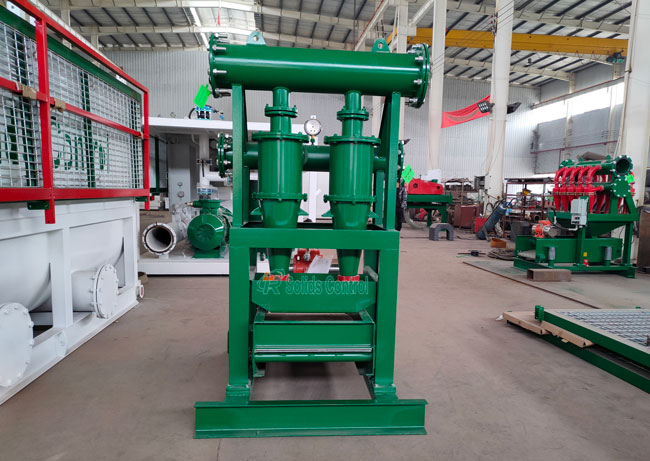
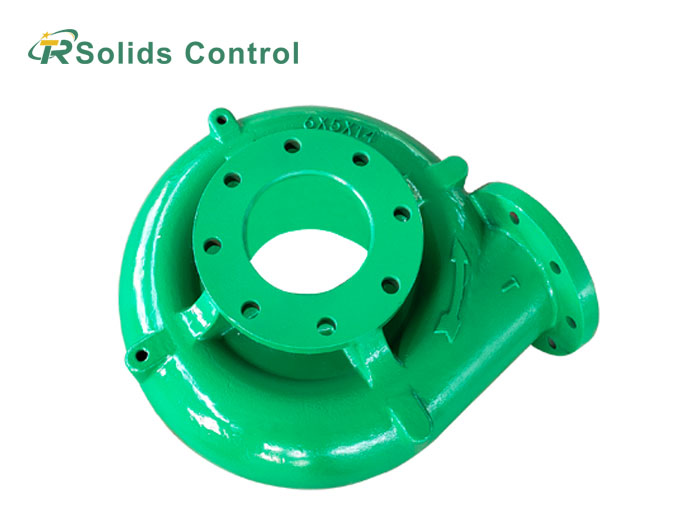
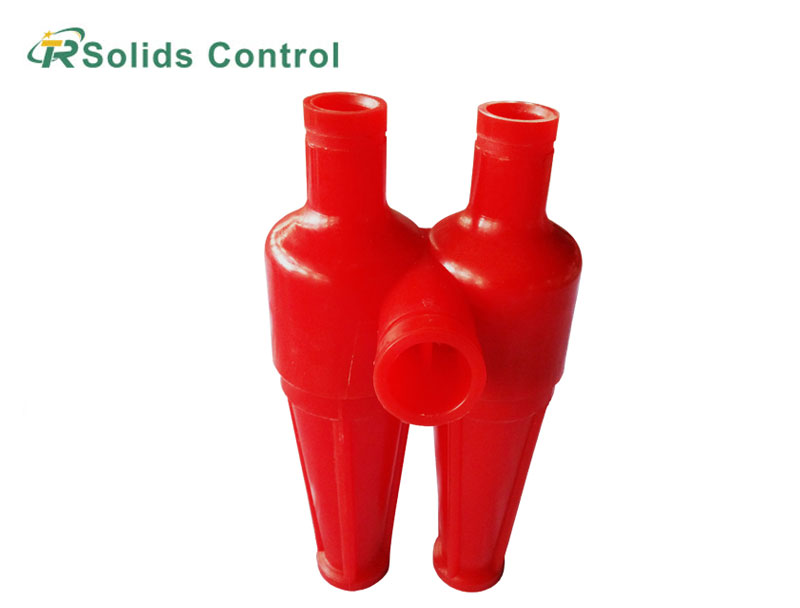
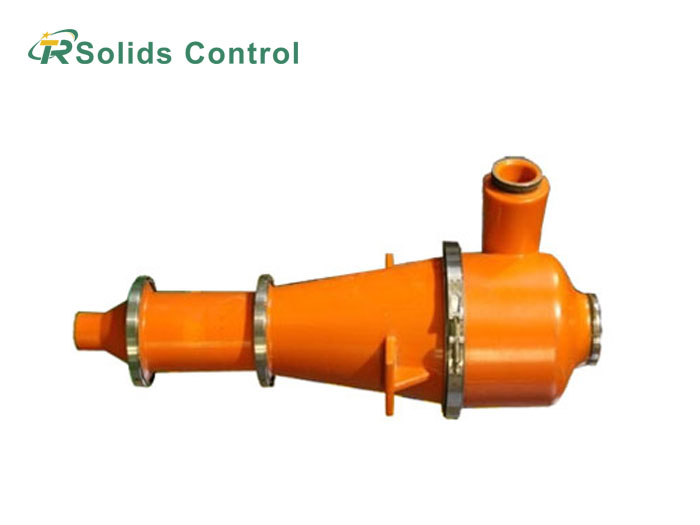
TR's desander uses a set of hydrocyclones plumbed in parallel: 8 inch, 10 inch, or 12 inch cones. Bigger diameter means higher flow but a coarser cut. The 10 inch cone is the workhorse. Cut point around 47 to 76 microns, roughly 120 to 150 cubic meters per hour per cone. Two cones handle most land rigs.
How it works: mud pumps in tangentially, spins fast. Heavy solids get flung to the wall, spiral down, and drop out the underflow. Clean mud goes up the overflow. But a lot of guys forget one thing: inlet pressure. You need to hold it steady between 0.25 and 0.4 MPa. Too low, no vortex. Too high, cones wear out fast. TR has seen customers swap pumps without checking pressure and flow. That kills performance. When you size your system, make sure the pump curve and cyclone specs match.
Some people ask: aren't five stage systems the standard now? Desilters, centrifuges, all that. Yeah, true. But in drilling mud purification, the shaker and desander together take out over 70 percent of the solids by volume.
A standalone shale shaker cannot remove fine sand, leading to mud degradation and pump wear, while a standalone desander clogs quickly with large cuttings both compromising drilling mud purification. This synergy boosts drilling mud purification efficiency to 95%+, reduces mud waste by 80%, and cuts drilling costs by 15–20%.
TR's field data shows that a properly set shaker plus desander setup can push desilter cyclone life from 300 hours to over 1,000 hours. That's real savings.
Not every well needs the full solids control system. But the shaker and desander are non negotiable.
TR Solids Control figure out how much solids you're generating, based on well depth and formation lithology, then size the shaker screens and cyclone count from there.
Don't just look at the sticker price when you buy. Screen life, cyclone liner material, flange and piping fit. Those drive long term cost way more than the machine itself. TR uses polyurethane liners in the desander cones. They last three to five times longer than ordinary rubber.
Also, if your rig floor is tight on space, get TR's mud cleaner. It's a desander plus desilter with a small underflow shaker all in one. Half the footprint, same separation performance.
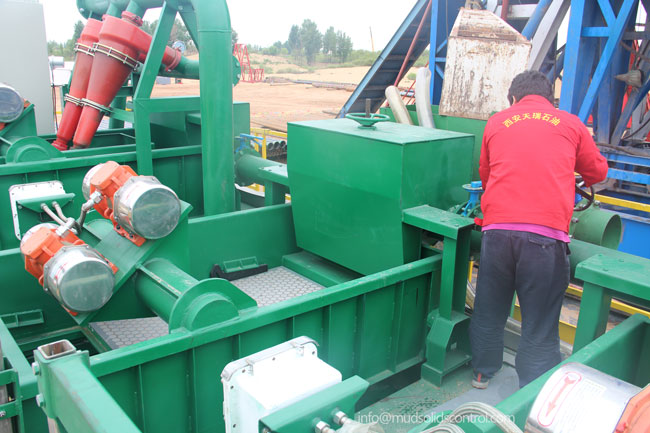
In drilling mud purification process. Get the shaker and desander working right as a pair, and you save a ton of headaches downstream. TR Solids Control sells these units separately, but they can also lay out the whole solids control system based on field reality.

Address: No.2 Huochang Road, Yangling District,Xianyang City, Shaanxi Province, China
Tel: +86-18509252400
Wechat: 18509252400
Email: info@mudsolidscontrol.com
Contact: Mr.Li
 +86-18509252400