Contact Person: Mr.Li
Mobile: +86-18509252400
Wechat: 18509252400
Email: info@mudsolidscontrol.com
Address: No.2 Huochang Road, Yangling District,Xianyang City, Shaanxi Province, China
In drilling, mud is not cheap. A proper drilling solids control system is the backbone of efficient oilfield mud management. It removes drilled solids from the circulating fluid so you can pump clean mud back downhole without losing performance. Also reduces the need for fresh mud and lowers disposal costs. Many operators find that a well designed oilfield mud system strategy pays for itself within months.
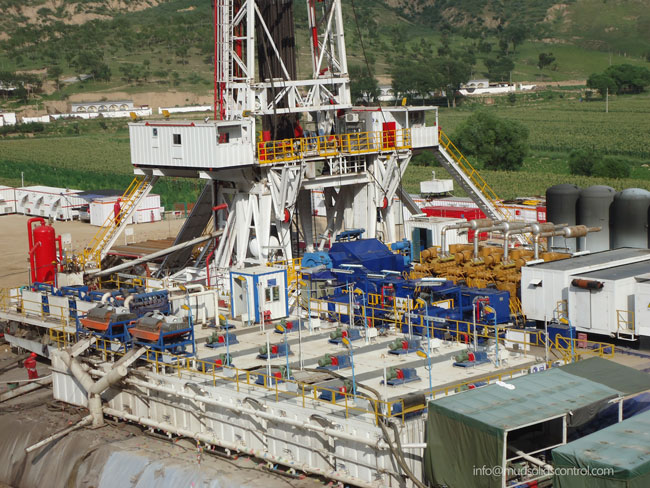
No two rigs have the same setup, but most drilling mud system configurations follow a logical sequence starting from the shale shaker and ending with centrifuge. Effective oilfield mud management depends on each stage performing correctly.
The shale shaker is the first piece of equipment in solids control system that sees returning mud from the well. It uses shaker screens to remove large cuttings and coarse solids. TR Solids Control designs shale shakers with high G force and adjustable angles to handle different flow rates and formations.
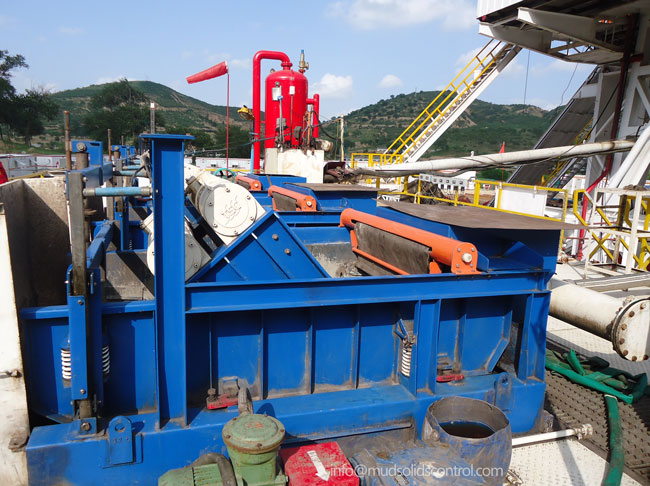
A good shaker removes about 70 to 80 percent of the solids by weight, making the job much easier for downstream oilfield mud management components.
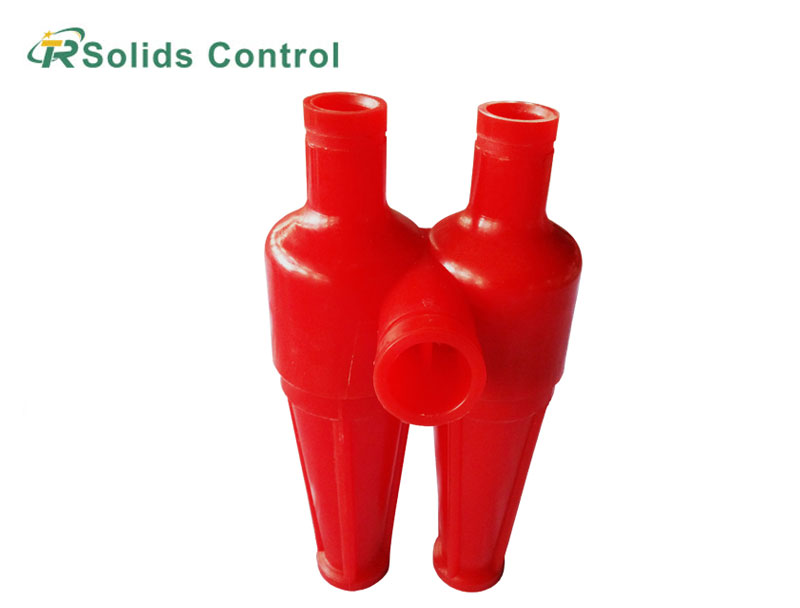
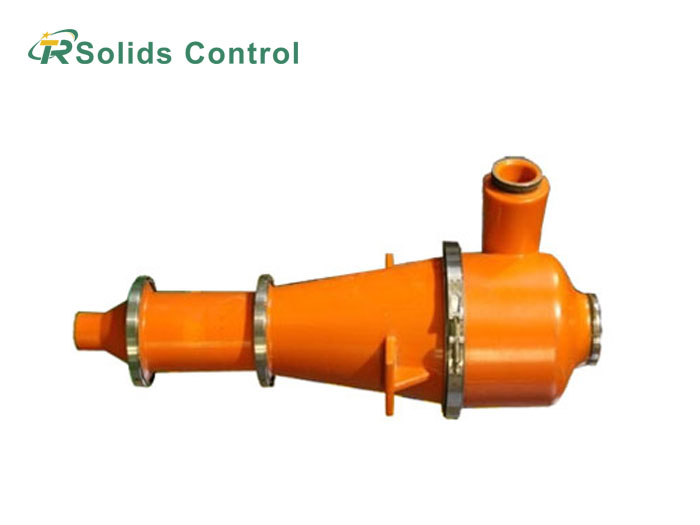
After the shaker, the fluid still contains sand and silt. Desanders use hydrocyclones to drop out particles down to around 45 microns. Desilters go finer, typically down to 15 microns. These are often packaged together as mud cleaner. They spin the fluid so heavier solids move outward and fall into a collection chamber. Mud desanders are non negotiable for drilling solids control system.
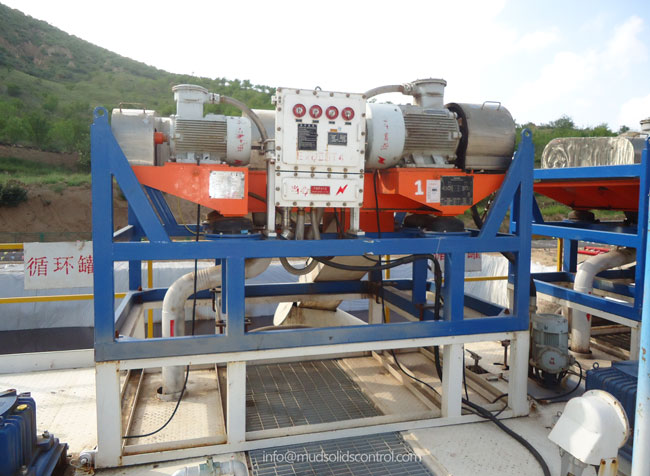
The final polish comes from decanter centrifuge. It spins the mud at high speed to separate ultra fine solids and colloidal particles. On weighted mud systems, centrifuge can also help recover barite. TR Solids Control manufacture centrifuges to your drilling system reduces total mud costs by 20 to 30 percent, especially in reactive shales.
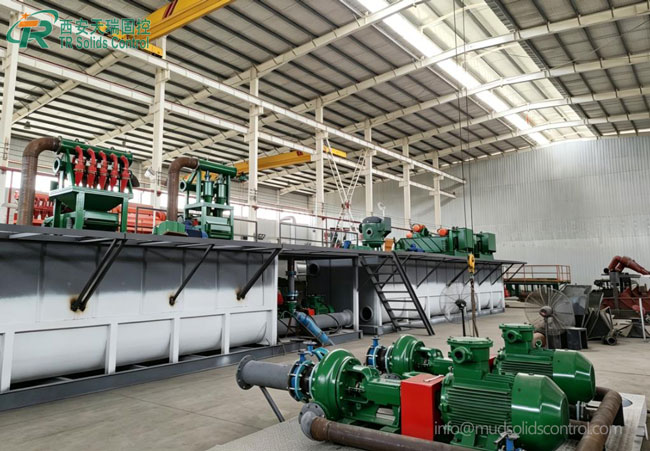
A full drilling solids control system from TR Solids Control typically includes:
Shale shaker with self cleaning screens
Mud cleaner (desander + desilter cones)
Decanter centrifuge (variable speed)
Mud agitators on each tank
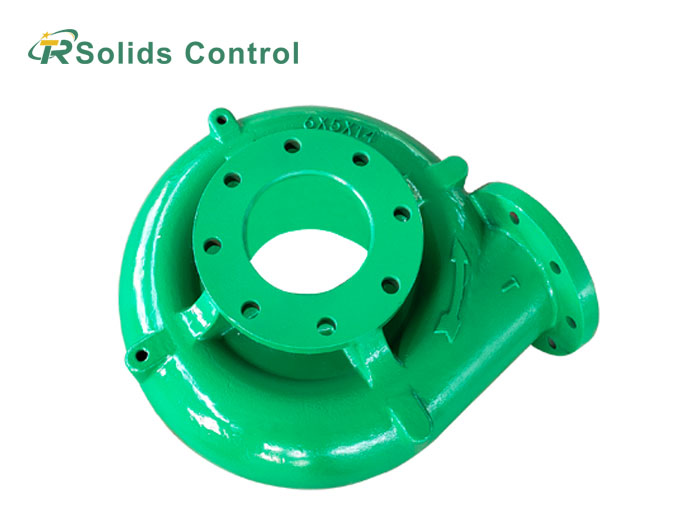
Centrifugal feed pumps and shear pumps
Jet mud mixers for adding chemicals or weighting material
Vacuum degasser (if gas intrusion is a concern)
Mud guns for tank cleaning
For oil based mud, TR Solids Control also offers vertical cutting dryers that reduce liquid content on cuttings to as low as 3 to 5 percent, recovering expensive base oil and enhancing overall oilfield mud management efficiency.
Clean mud reduces friction, keeps the bit cutting efficiently, and prevents stuck pipe. One offshore contractor saved roughly 35 percent on mud replacement costs after upgrading to a three stage solids control system. Environmental regulations also drive the need for closed loop systems that minimize waste volume. A good system keeps the rig site cleaner and avoids regulatory fines.
Field example: Drilling company in the Permian Basin installed TR Solids Control drilling solids control system with two centrifuges in parallel. Before the upgrade, they dumped about 300 barrels of mud every three days. After installation, that dropped to less than 50 barrels per week. The system paid for itself in eight operating days.
TR Solids Control started in Xi'an over a decade ago and has focused solely on drilling solids control system design and oilfield mud management solutions. Their facility holds API and ISO9001 certifications. A German client recently inspected custom built system and gave high marks for welding quality and vibration performance. TR has shipped to more than 40 countries, supports rigs from 500 to 9000 meters depth, and offers arctic or desert packages.
Flow rate, mud weight, solids loading, and available space all matter when choosing solids control system. TR Solids Control asks detailed questions before quoting. A deep water offshore rig needs explosion proof motors and marine grade steel. A land rig in desert needs easy maintenance and spare parts accessibility. They provide skid mounted, trailer mounted, or modular systems.
Automation is another option. Variable frequency drives on shakers and centrifuges let you adjust speed from a control panel, reducing manual tweaking. TR offers these and provides remote support for commissioning.
Buying the drilling system too small for peak flow leads to overflow and mud loss. Always size for the highest expected flow plus margin. Neglecting mud agitators allows solids to settle, damaging pumps.
Rotate shaker screens or adjust the feed spreader to double screen life. Inspect hydrocyclone liners every shift; a worn apex causes wet solids loading. For centrifuges, check main bearings and gearbox oil regularly. Keep spare screens and a few hydrocyclone cones on site to avoid costly downtime.
Demand for solids control equipment continues to rise due to shale activity and stricter environmental rules. The global market is projected to reach around 9 billion USD by 2030. Much of the growth comes from upgrading older rigs that still lack centrifuges.
Settling pits take a large footprint, do not work well for weighted mud, and are not allowed on many permits. The mechanical solids control system is more compact, precise, and faster. In water scarce areas, recycling mud is critical. TR has delivered closed loop systems for Western Canada and South Africa.
A drilling solids control system is practical tool that protects your mud investment and keeps the rig moving. If you are planning a new rig or upgrading an existing mud system, talk to someone with experience. TR Solids Control usually responds within 24 hours.
Email: info@mudsolidscontrol.com
Address: No.2 Huochang Road, Yangling District, Xianyang City, Shaanxi Province, China
Ask for mud system proposal with drawings and a performance estimate. No generic quotes, just a solution that fits your rig.

Address: No.2 Huochang Road, Yangling District,Xianyang City, Shaanxi Province, China
Tel: +86-18509252400
Wechat: 18509252400
Email: info@mudsolidscontrol.com
Contact: Mr.Li
 +86-18509252400