Contact Person: Mr.Li
Mobile: +86-18509252400
Wechat: 18509252400
Email: info@mudsolidscontrol.com
Address: No.2 Huochang Road, Yangling District,Xianyang City, Shaanxi Province, China
When mud performance degrades, the typical response is to add more chemicals. Thinners for high viscosity. Filtrate reducers for high fluid loss. Lubricants for high torque. Yet the problem often returns because the root cause is not chemical but mechanical: insufficient or poorly configured solids removal equipment.
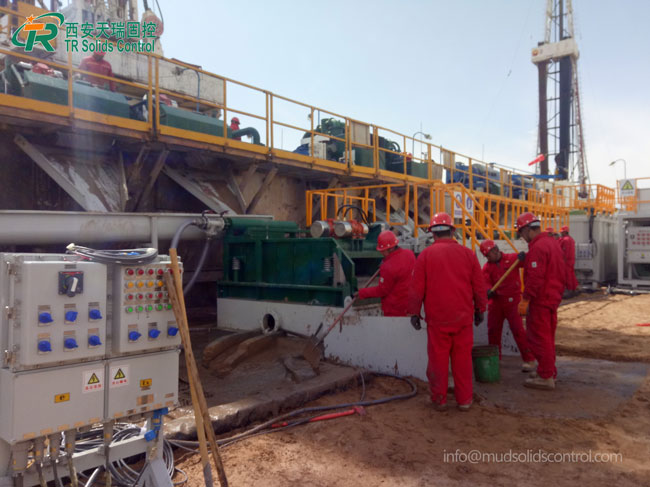
Drilled solids circulating in the mud act like sand in engine oil. Chemicals treat symptoms; solids removal equipment eliminates the cause. Three common mud problems and how correctly specified equipment resolves them, based on field cases from TR Solids Control.
Viscosity Runaway: Fine Solids as a Hidden Thickener
Symptoms: Marsh funnel viscosity climbs from 45 to 80 seconds or more. Pump pressure increases. ROP drops. Thinner provides only temporary relief.
Cause: The bit generates ultrafine particles (2 to 15 microns), especially clay. Shakers remove >74 microns; desanders and desilters handle 15 to 74 microns. The fine fraction passes through and accumulates, increasing viscosity.
Field case – Middle East: A soft formation operation had only shale shaker and desander. After two weeks, mud became extremely thick, and thinner consumption tripled. TR Solids Control added a high speed centrifuge running eight hours per day to extract sub 5 micron clay. Viscosity normalized within four days, and thinner use dropped by more than half.
Run the centrifuge as a cleanup device for several hours daily based on solids load.
Check centrifuge discharge; wet solids indicate incorrect speed or differential.
Use finer shaker screens (120 mesh or higher) in soft formations to reduce fines loading on downstream equipment.
High Fluid Loss: Poor Particle Size Distribution Damages Filter Cake
Symptoms: API fluid loss increases from 4 ml to 8 ml or more. Filter cake is thick, loose, and uneven. Wellbore stability suffers.
Cause: Effective filter cake requires a balanced particle size distribution. When the mud contains mostly fine solids and lacks medium sized particles, the cake becomes porous. Solids removal equipment must retain useful solids (like barite) while removing harmful fines.
Field case – Sichuan, China: A deep well used fine ground barite (D50 ~8 microns) and 200 mesh shaker screens. The screens removed barite along with cuttings, leaving only ultra fine barite and clay. Fluid loss remained high despite doubling filtrate reducer. TR Solids Control changed screens to 120 mesh, set the desander to cut above 60 microns, and adjusted the centrifuge to discharge sub 3 micron clay. Fluid loss dropped from 9 ml to 4.5 ml, and filtrate reducer consumption decreased by 40 percent.
Do not use screens finer than 140 mesh when barite is present; they strip out barite.
Adjust centrifuge split to avoid barite loss. A bone dry discharge is not always optimal.
Perform periodic particle size analysis to guide equipment tuning.
Poor Lubricity: Sand Abrades Downhole Tools
Symptoms: High torque and drag. Difficult sliding. Grooves on tool joints and stabilizers when BHA is pulled.
Cause: Sand (40 to 100 microns) and coarse silt (20 to 40 microns) are abrasive. They circulate continuously, wearing down metal surfaces. No amount of lubricant compensates for sand in the mud.
Field case – Shaanxi, China: After reaching TD, the BHA showed severe wear. Torque remained high despite lubricant addition. TR Solids Control found loose shaker screens causing mud bypass and a worn desander underflow allowing over 50 percent sand bypass. Corrective actions included tightening screens, replacing desander liners with ceramic, adjusting feed pressure, and adding a mud cleaner as a second stage. Torque dropped from 12 kN·m to 8 kN·m within one week.
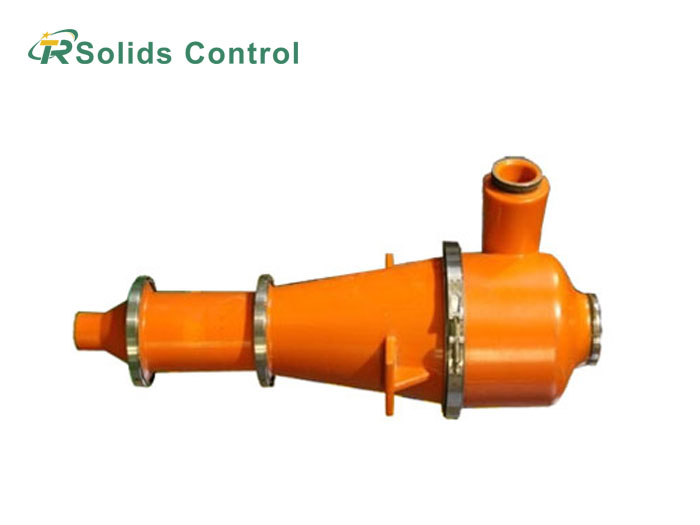
Maintain desander and desilter underflow as a rope discharge, not a wide umbrella pattern.
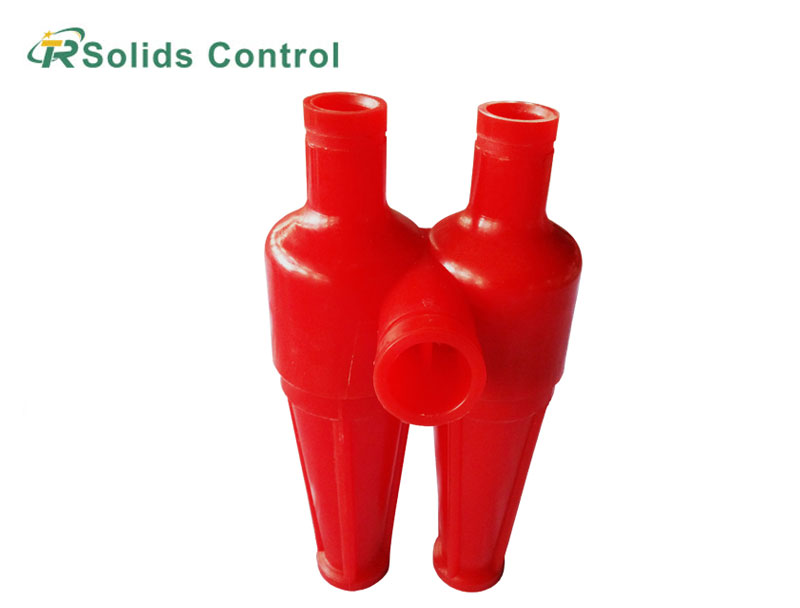
Use a mud cleaner (desander and desilter cyclones over a fine shaker) for compact two stage separation.
For extremely sandy formations, consider two desanders in series.
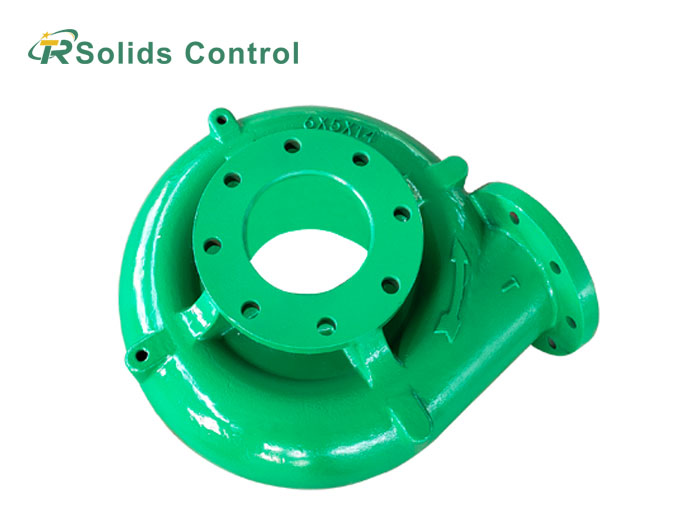
TR Solids Control has manufactured solids removal equipment since 2010. The product line includes shale shakers, vacuum degasser, desander, desilter, mud cleaner, decanter centrifuge (with VFD), centrifugal pumps, agitators, mud guns, complete mud circulation systems, and waste management systems. Certifications: API Q1, API 7K, API 13C, ISO 9001, CE.
TR Solids Control does not simply supply equipment. The team evaluates well design, formation, mud type, and environmental rules to deliver a simple, workable solids removal equipment configuration.
Shanxi, China (CBM wells): The customer had high fluid loss with 80 mesh screens. TR Solids Control recommended reinstalling desander and changing to 40 + 100 mesh double layer screens. Fluid loss dropped from 7 ml to 4.2 ml, and chemical costs fell 18 percent.
Kazakhstan (oil based mud): A fixed speed centrifuge caused excessive barite loss. TR Solids Control performed VFD retrofit with automatic differential control. Barite recovery increased from 67 percent to 89 percent, saving $200,000 per year.
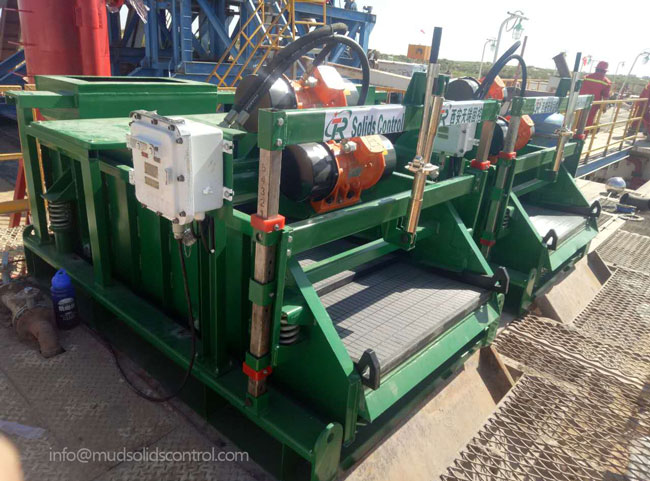
Good mud performance comes from retaining what is needed and removing what is not – the fundamental job of solids removal equipment. When viscosity rises, fluid loss persists, or torque increases, do not reach first for chemicals. Inspect the shale shaker, desander, and centrifuge. The solution is often better equipment or better tuning of existing equipment.
For assistance with mud performance issues or solids removal equipment optimization, contact TR Solids Control.

Address: No.2 Huochang Road, Yangling District,Xianyang City, Shaanxi Province, China
Tel: +86-18509252400
Wechat: 18509252400
Email: info@mudsolidscontrol.com
Contact: Mr.Li
 +86-18509252400