Contact Person: Mr.Li
Mobile: +86-18509252400
Wechat: 18509252400
Email: info@mudsolidscontrol.com
Address: No.2 Huochang Road, Yangling District,Xianyang City, Shaanxi Province, China
Sludge vacuum pumps can suck up sludge with 80 percent solids from 50 meters away. Then they push that material 500 to 1000 meters down the line. They run on compressed air. No electricity. No wires.
That is the sludge vacuum pump effect in a nutshell. It moves what other pumps cannot touch.
So let me walk you through how this thing actually works and what kind of effect you get on a real job site.
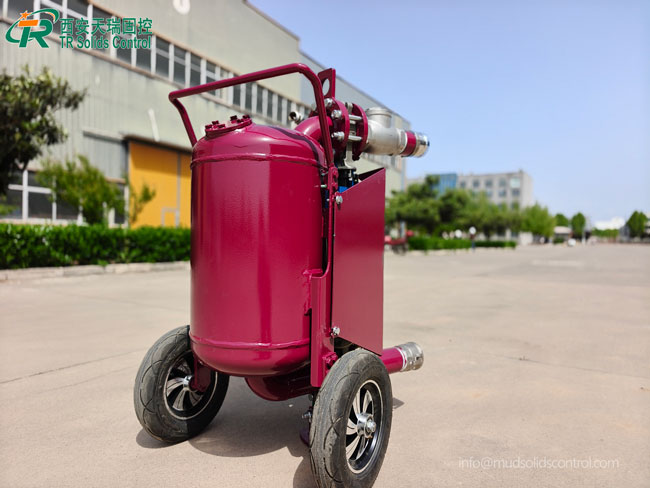
This is not a regular water pump. A regular pump chokes on sticky or thick material. The sludge vacuum pump is built for the nasty stuff.
Think oil based drill cuttings from rigs. Tank bottoms from refineries. Hazardous chemical waste. Mine slurry. Thick sludge from wastewater plants. Tunnel boring mud. Dredged river sediment. Even livestock manure.
What do all these have in common? They are sticky. They are thick. They are heavy.
Here is what happens inside a conventional pump. The impeller spins fast. Solid particles hit the blades. The pump clogs or wears out quickly.
Sludge vacuum pump works differently. There are almost no moving parts inside the flow path. The material moves through pipes and a tank. It never touches rotating blades. Nothing gets tangled. Nothing gets chewed up.
The sludge vacuum pump effect starts right here. Less wear means less downtime. Less downtime means lower cost.
Most sludge vacuum pumps pull about 25 inches of mercury. That is roughly 85 kilopascals.
What does that mean on the job site? In good conditions you can pick up material from 50 meters away. You can also lift water about 8 to 10 meters straight up. Heavier materials won't go as high. Stickier materials will also struggle a bit.
Different brands have different numbers. TR's TRSP series says 50 meter suction range and 25 inHg across all three models.
The suction effect is what gets the material moving. Once the vacuum breaks, the pump switches to pressure. That is the second half of the sludge vacuum pump effect.
This is where sludge vacuum pumps really shine. The centrifugal pump chokes on thick mud. A sludge vacuum pump can handle solids content up to 80 percent by weight.
That means it does not just pump dirty water. It pumps wet mud.
Take oil based drill cuttings. That is a semi solid waste. It is sticky and heavy. Most equipment cannot move it. Multiple manufacturers say their vacuum pumps can move these cuttings. They also move sludgy tank bottoms. Customers have signed off on field tests.
Here is the step by step process. The pump creates vacuum in the tank. Material gets pulled in through the suction hose. The tank fills up. Then compressed air switches to pressure mode. The material gets pushed out the discharge line. That simple.
The sludge vacuum pump effect is most visible here. You see thick, sticky sludge going in one end and coming out the other without clogging. That effect saves hours of cleaning and unclogging.
After the material comes in, it has to go out. The pump can push it horizontally for 500 to 1000 meters.
The exact distance depends on a few things. Density matters. Viscosity matters. Particle size matters. But even 500 meters covers most industrial job sites.
TR Solids Control manufacturer says it can recover material from 50 meters away and push it 1000 meters out.
The long distance effect means you can place the pump in one spot and reach faraway pits or tanks. You do not have to move the pump around all day.
Flow rate tells you how much work gets done per hour. Mainstream models break down like this.
Small pumps like the TRSP 10B move about 10 cubic meters per hour. Medium pumps like the TRSP 20B move about 20 cubic meters per hour. Large pumps like the TRSP 40B move about 40 cubic meters per hour. It depends on the material.
How do you choose the right size? Look at the job. A small 10 cubic meter pump is fine for cleaning out a holding pit. Big projects need a larger single pump or multiple pumps running at the same time.
The speed effect is simple. Faster flow means the job finishes sooner. That is a direct cost saving.
Sludge vacuum pumps are 100 percent pneumatic. They use compressed air only. There are no electrical parts anywhere.
This matters in certain places. Oilfields. Chemical plants. Refineries. These are explosive atmospheres. Electric equipment has to be expensively rated and sealed. Pneumatic gear has no spark risk to begin with.
But no electricity does not mean no energy cost. Air consumption is real.
A small pump needs about 4.3 cubic meters per minute. That is 150 CFM. A medium pump needs about 8 cubic meters per minute. That is 280 CFM. A large pump needs about 17 cubic meters per minute. That is 600 CFM.
Let me put that into perspective. A large pump running flat out needs a compressor in the 90 to 110 kilowatt range. That is not small. But for nasty high solids materials, most operators say it is worth it.
Efficiency varies by maker. TR's TRSP-40L heavy pump claims higher throughput with about the same air consumption as other large models. So better efficiency.
No machine is perfect. A sludge vacuum pump has limits.
The big one is vertical lift. The pump relies on atmospheric pressure to push material in. The theoretical limit is about 10 meters of water column. In real life, sludge is heavier than water. So you get less lift. If you need to pull from a pit deeper than that, this pump will not work.
Hose length matters a lot. For thin fluids, 50 meters of hose is fine. For thick solids laden material, the longer the hose, the slower the pickup speed. Clog risk also goes up. One analysis put it bluntly. Keep suction lines as short as possible when moving solids.
Real world tests show a clear threshold. Once you go past about 12 meters of suction hose on solid heavy materials, performance drops noticeably.
But here is an important point. That does not mean sludge vacuum pumps cannot use long hoses. For high fluidity liquids or light slurries, 50 meters or more works fine. The trouble shows up with high solids, high viscosity materials. The thicker they are, the more sensitive they become to hose length.
Oversized solids are another problem. Most models accept particles up to 50 to 75 millimeters. It depends on the design. Anything bigger either will not fit in or will cause a blockage. If your material has large rocks or debris, you need a grille or strainer on the intake.
You also need a reliable air supply. No compressed air source? Or an unstable one? Then this pump will not work.
Why pick a sludge vacuum pump over something else? Here is a quick comparison.
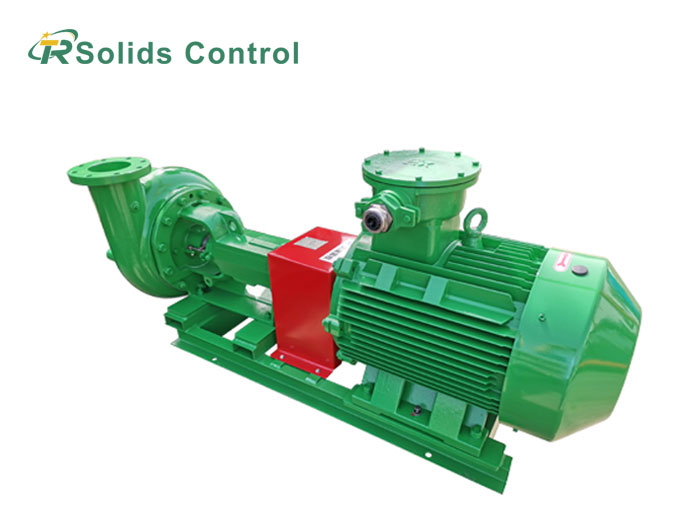
The centrifugal pump uses a high speed impeller. It handles solids poorly. It clogs and wears fast. Maintenance is medium. It is best for clean water, low density slurries, and high flow.
The diaphragm pump uses a reciprocating diaphragm. It handles solids at a medium level. Maintenance is medium to high because the diaphragm wears out. It is best for small to medium flow and moderate viscosity.
The screw pump uses a rotor turning inside a stator. Solids handling is medium. Maintenance is medium to high because the rotor and stator wear. It is best for steady flow and medium viscosity.
TR sludge vacuum pump uses vacuum suction and positive displacement. Solids handling is excellent. It can go up to 80 percent solids. Maintenance is low because there are few moving parts in the flow path. It is best for high viscosity, high solids, and explosive areas.
The biggest strength of the sludge vacuum pump is this. Solids barely touch moving parts. That means less wear. That means lower maintenance. Traditional pumps have impellers, valves, and seals. Gritty thick material chews them up. The vacuum pump moves everything through pipes and a tank. The material almost never meets a rotating part. That is why it handles 80 percent solids while keeping repair frequency low.
That said, if you only ever pump clean water or very light slurry, a cheap centrifugal pump is still the right tool. Match the pump to the job.
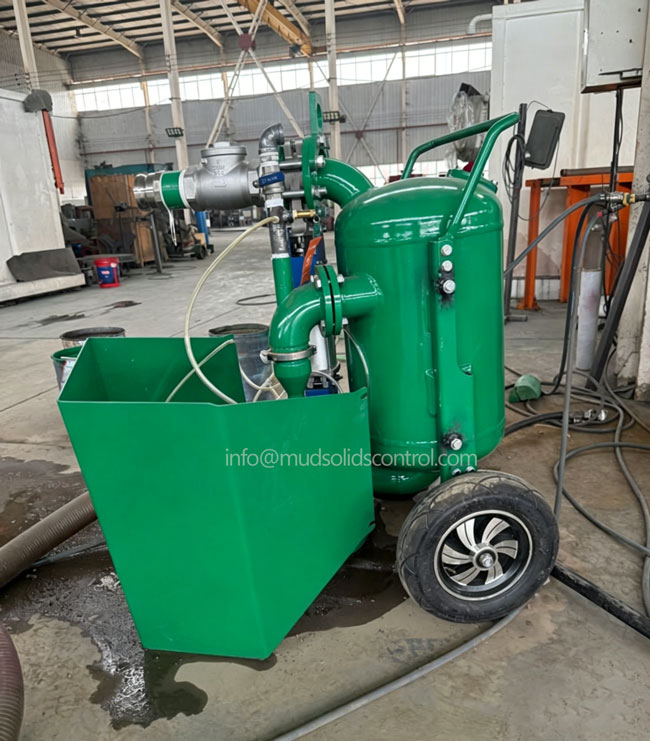
So back to the question. How strong is a sludge vacuum pump? And what is the sludge vacuum pump effect you can expect?
Think of it as the industrial world's strong arm specialist. It is not just raw power. It knows its own limits. When a regular pump chokes on oily sludge, this pump steps in. When electric gear cannot go into a chemical plant, this pump works. When nothing else will pull thick slurry, this pump gets it done.
The sludge vacuum pump effect comes down to three things. One, you move material that other pumps leave behind. Two, you spend less time on maintenance and unclogging. Three, you work safely in explosive areas without expensive electrical certifications.
The limits are clear. Do not lift from too deep. Eight to ten meters vertical is the ceiling. Do not use long suction hoses on thick solids, or you will watch your flow rate drop. Do not feed it rocks bigger than about 75 millimeters.
Stay inside those lines. The sludge vacuum pump effect will work in your favor. It is one of the most reliable tools you can have for moving difficult, high solids materials.

Address: No.2 Huochang Road, Yangling District,Xianyang City, Shaanxi Province, China
Tel: +86-18509252400
Wechat: 18509252400
Email: info@mudsolidscontrol.com
Contact: Mr.Li
 +86-18509252400