Contact Person: Mr.Li
Mobile: +86-18509252400
Wechat: 18509252400
Email: info@mudsolidscontrol.com
Address: No.2 Huochang Road, Yangling District,Xianyang City, Shaanxi Province, China
In today's competitive drilling environment, reducing operational expenses without compromising performance is top priority. One of the most effective yet often overlooked strategies is optimizing your solids control system. The right oilfield solids control equipment can lower drilling costs by up to 30% by extending mud life, reducing dilution, minimizing waste disposal, and preventing downhole problems.
As a leading manufacturer, TR Solids Control Equipment Manufacturer provides high-performance, cost-efficient solutions tailored to onshore and offshore projects. This guide walks you through how to select the ideal solids control equipment to achieve substantial savings.
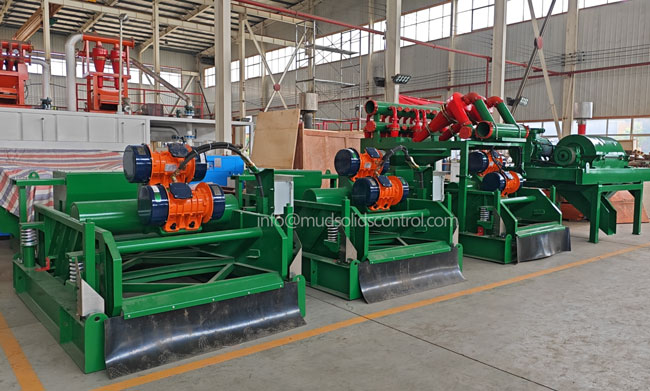
Poor solids removal leads to:
Increased dilution rates (adding fresh mud to replace contaminated mud)
Higher waste disposal volumes
Reduced rate of penetration (ROP)
Greater wear on pumps and bits
Non-productive time (NPT) due to stuck pipe or wellbore instability
By implementing a well-designed solids control system, operators consistently report 20–30% lower overall drilling fluids-related costs.
To achieve 30% cost reduction, your oilfield solids control equipment should include the following core units, each playing a critical role in removing solids of specific sizes.
Shale shakers remove large cuttings (>75 microns). Selecting the right shaker involves:
Screen mesh selection:finer screens remove more solids but require proper flow rate matching.
Vibration mechanism:linear motion shakers offer higher throughput.
Deck configuration:dual- or triple-deck designs improve separation efficiency.
.jpg "Replace derrick 2000 linear shale shaker to extend mud life")
TR tip: Our high-G force shale shakers with quick-change screens reduce downtime and improve solids removal by 15–20%, directly cutting dilution needs.
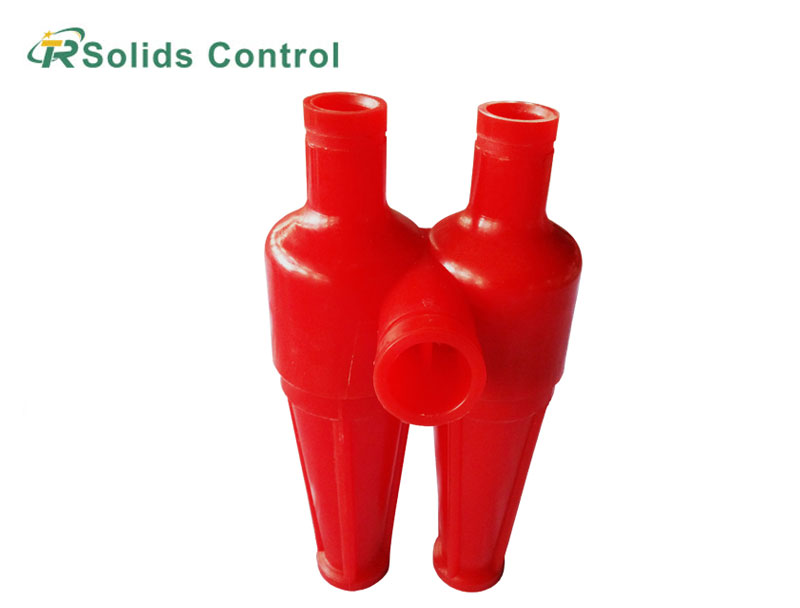
Desanders remove particles 45–74 microns; desilters target 15–44 microns. When integrated into mud cleaning system, they lower the load on centrifuges and preserve barite.
Cost-saving factor: Properly sized desanders and desilters reduce centrifuge runtime by 30%, lowering power consumption and maintenance.
Centrifuges handle particles as small as 2–5 microns. They are essential for weighted and unweighted mud systems.
High-speed vs. low-speed:high-speed units (up to 3,200 RPM) remove finer solids but use more energy. Choose based on formation characteristics.
Bowl design:tapered bowls improve solids conveying.
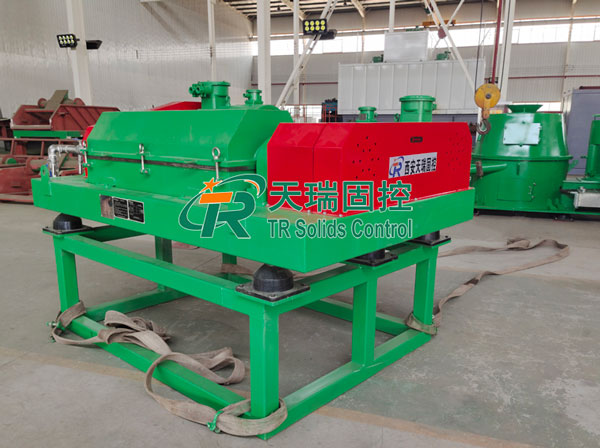
TR advantage: Our variable-frequency drive centrifuges automatically adjust speed to mud conditions, cutting power use by 25% while maintaining 98% fine-solids removal efficiency.
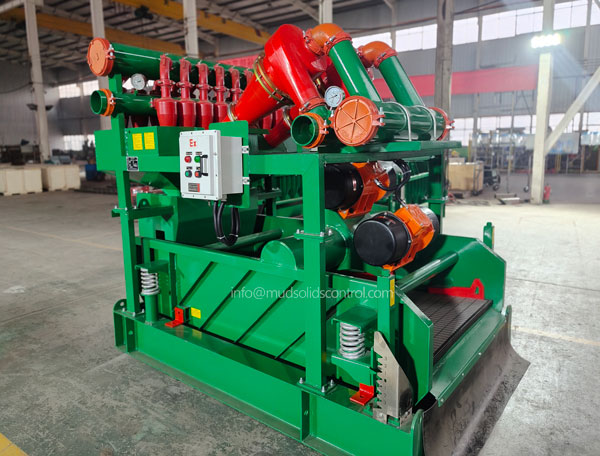
The mud cleaner combines desilters or desanders with fine-mesh shaker. It's ideal for intermediate sections where both sand and fine silts are present.
TR insight: Deploying mud cleaner in the intermediate hole section can reduce centrifuge duty by 40%, translating to direct energy savings.
Undersized pumps or poor piping design cause pressure loss and bypassing, where solids avoid separation. Always match pump capacity to the solids control equipment specifications.
Oversizing or undersizing equipment leads to inefficiency. Follow these steps:
Calculate anticipated solids loading: based on ROP, hole size, and formation type.
Define target cut point: typically 15–20 microns for most cost-sensitive operations.
Match equipment capacity: shakers and centrifuges should handle 125–150% of peak flow rate to avoid bypass.
Plan for redundancy: critical units like centrifuges should have backup to prevent NPT.
A properly sized oilfield solids control system from TR pays for itself within 6–12 months through reduced dilutions and disposal fees.
Even with good equipment, misapplication wastes money:
Running centrifuges continuously: unnecessary when drilling fast through low-solids formations. Use on-demand or automated start/stop.
Ignoring screen maintenance: torn screens allow large solids to re-circulate, increasing downstream load.
Mixing incompatible polymers: leads to flocculation and poor separation.
Underfeeding desilters: without sufficient pressure, cones cannot separate effectively.
TR recommendation: Conduct a weekly solids control audit using particle size analysis (PSA) to verify equipment cut points.
An overseas drilling company was facing $48,000/month in mud dilution and disposal costs. After switching to TR full solids control package (3 shakers, one mud cleaner, two variable-frequency centrifuges), results showed:
Dilution rate reduced by 38%
Waste volume down by 33%
Centrifuge energy consumption fell 22%
Total drilling fluids cost dropped 27% in 8 months
The equipment paid for itself in just 7 months.
Proper maintenance ensures long-term cost reduction:
Screen replacement schedule: every 200–300 operating hours or at first sign of wear.
Centrifuge bearing lubrication: every 1,000 hours.
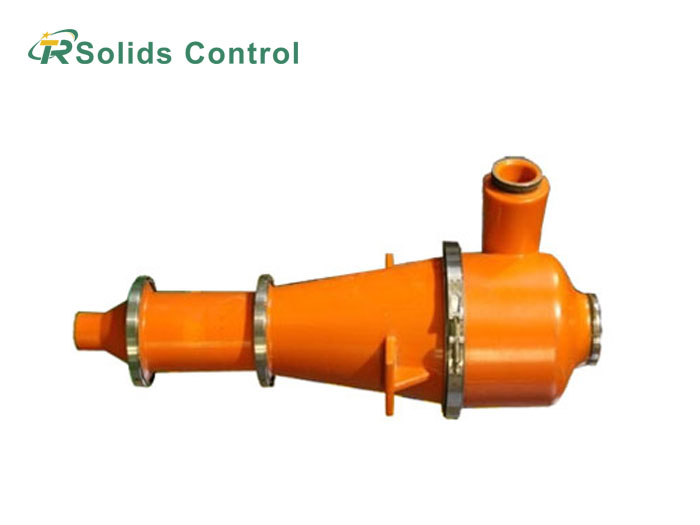
Hydrocyclone cone inspection: check for wear weekly; replace when inner diameter increases 10%.
Vibration monitoring: detect imbalance early to avoid shaker damage.
TR Solids Control provides detailed maintenance guides to help you stay on track.
Custom-engineered systems: we design based on your well profile, flow rates, and formation data.
Field-proven reliability: our equipment operates in extreme environments from Permian to Middle East.
Lifecycle cost support: we offer training, spare parts kits, and 24/7 technical assistance.
Energy-efficient designs: all motors meet IE3 standards, reducing power draw.
Choosing the right manufacturer is as critical as choosing the right equipment. With TR, you're not just buying machines,but investing in lower drilling costs.
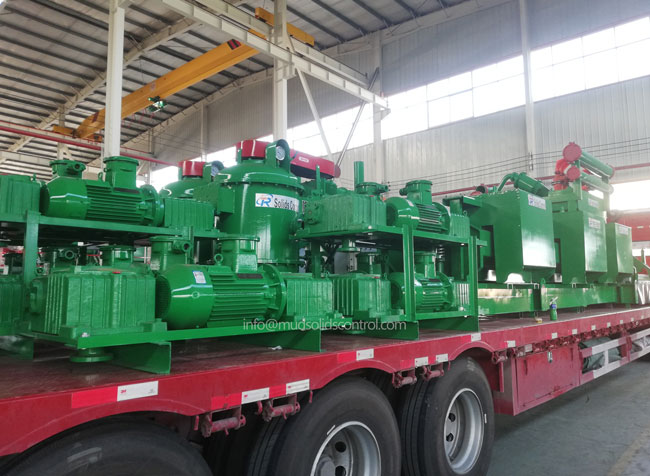
Selecting the correct oilfield solids control equipment is direct path to 30% lower drilling costs. Focus on matching equipment cut points to formation solids, avoiding oversizing, leveraging automation, and maintaining components rigorously.
TR Solids Control Equipment Manufacturer is ready to help you design, deliver, and support a system that maximizes savings. Contact our engineering team for free cost-savings analysis based on your current mud program.

Address: No.2 Huochang Road, Yangling District,Xianyang City, Shaanxi Province, China
Tel: +86-18509252400
Wechat: 18509252400
Email: info@mudsolidscontrol.com
Contact: Mr.Li
 +86-18509252400