Contact Person: Mr.Li
Mobile: +86-18509252400
Wechat: 18509252400
Email: info@mudsolidscontrol.com
Address: No.2 Huochang Road, Yangling District,Xianyang City, Shaanxi Province, China
At TR Solids Control, we've shipped thousands of solids control equipment packages to global drilling sites for years. The most frequent on-site issue we encounter is not equipment quality, but incorrect model selection and unreasonable process matching.
Today I won't repeat basic functions of each device. Instead, let's focus on a few easily overlooked issues in the field.The core goal of drilling fluid solids control is to stabilize mud performance and cut operational costs, all based on a well-configured Solids Removal System.
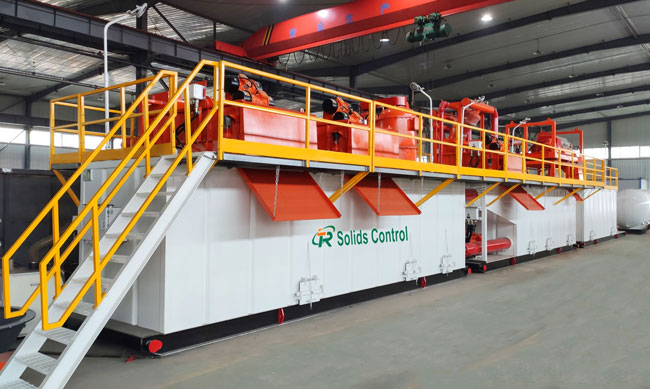
Many drilling crews ask us: should we choose 2‑stage, 3‑stage, or 4‑stage Solids Removal System? My answer is — look at your solids load curve.
Take the particle size distribution data from offset wells, or do a simple sieve analysis of the cuttings from your shale shaker. If coarse particles above 74µm account for more than 80% of the total, mud shaker plus one centrifuge (2‑stage) is enough. But for shale gas horizontal well, fine powder and colloidal particles can exceed 40%. Without desander/desilter (3‑stage) and high‑speed centrifuge (4‑stage), your mud viscosity will go out of control in three days.
We once helped a drilling project in Xinjiang upgrade their Solids Removal System. They were using 3‑stage setup but kept the centrifuge as "decoration" — never turned on. Their barite consumption was 25% higher than normal. After we recalibrated the centrifuge parameters and ran the 4th stage properly, they saved over 100,000 RMB on just that single well. So the core of Solids Removal System is not having many devices; it's making sure every stage actually does its job.
Proper flow matching is critical for any Solids Removal System. We all monitor inlet pressure for desanders and desilters. But there's a more hidden trap: the rated capacity of your hydrocyclone package must match the throughput of your shale shaker.
For example, your mud shaker handles 300 m³/h, but the desander package is rated for only 200 m³/h. The extra 100 m³/h will bypass the desander altogether. You've paid good money for equipment that does only two‑thirds of the work it should.
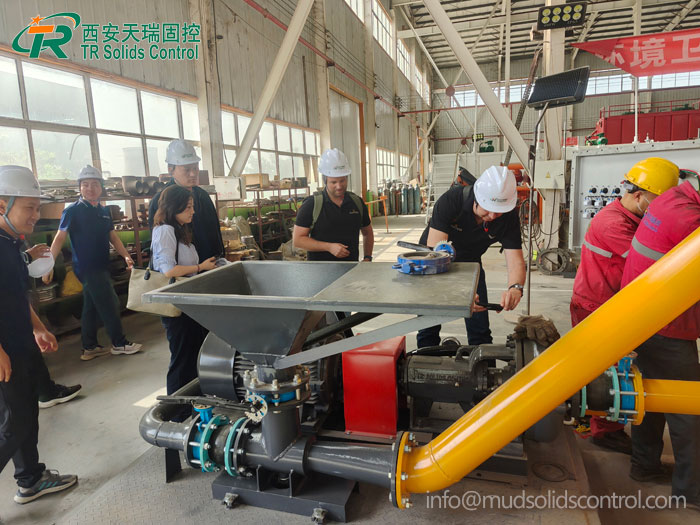
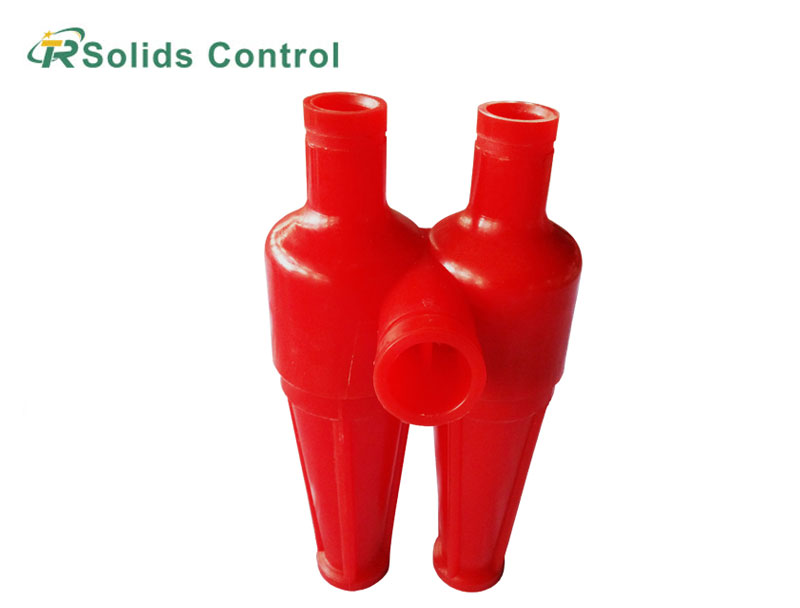
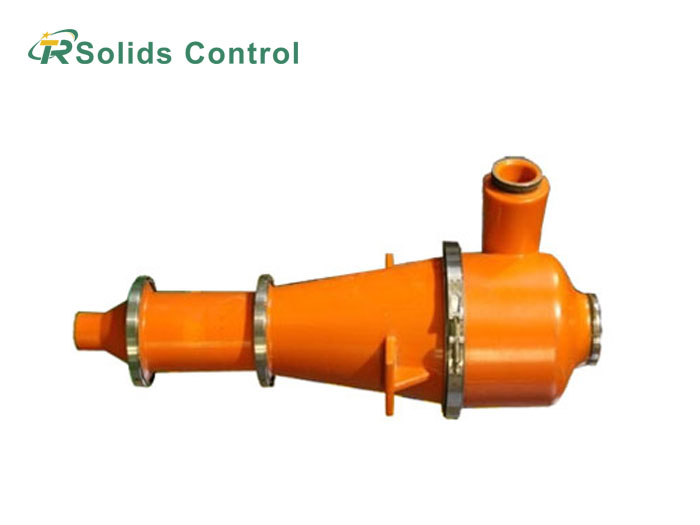
As TR Solids Control Equipment Manufacturer, when we design a complete Solids Removal System, we first calculate the maximum circulating rate of the whole mud system, then work backwards to determine the number and diameter of hydrocyclones. For example, 6‑inch desander cyclone handles about 120 m³/h each. For 350 m³/h system, you need at least three cyclones in parallel. Skip this calculation, and you're asking for trouble down the road.
There's one easily overlooked parameter: the G‑force corresponding to the cut point. Higher RPM is not always better. If you want to recover barite (specific gravity 4.2), you need to remove 2–5µm ultra‑fine solids while keeping barite. In this case, low‑speed centrifuge (G‑force 600–800) is actually better than high‑speed one (G‑force >1500) — a high‑speed machine will throw out the barite as well.
Conversely, if you are using the centrifuge for full discard ( discharging cuttings directly), then go for high‑speed. A customer once bought a high‑speed centrifuge to recover barite. They lost 40 kg of barite per ton of mud. It wasn't a bad machine — it was a wrong selection logic. That's why selecting the right centrifuge speed is a key decision when designing Solids Removal System.
Shaker Screen life directly affects the uptime of your entire Solids Removal System. On our TRZS shale shakers, screen life can reach 200 hours in some wells but less than 50 hours in others. Some customers complained that our quality was inconsistent. We checked and found: the drilling fluid pH was above 11, which accelerated aging of the polyurethane frame. After switching to stainless steel frame with rubber sealing, the screen life immediately jumped to over 150 hours.
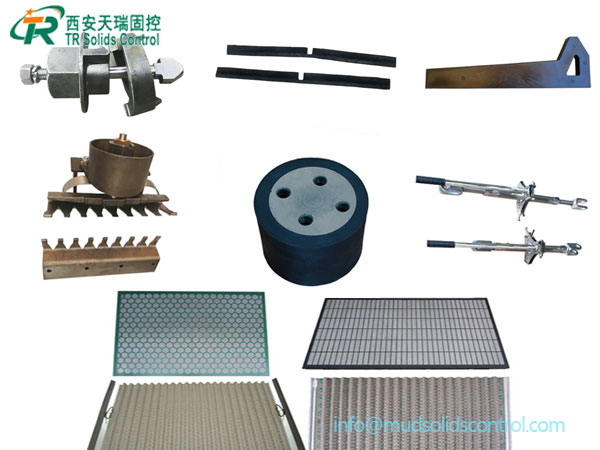
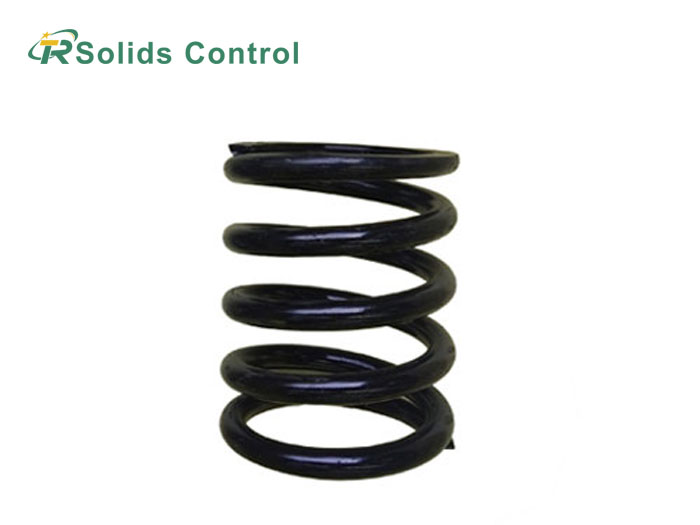
Also, the screen tensioning method is more important than mesh size. Spring‑loaded tensioning often leads to local loosening and screen flapping, cutting life in half. We changed to wedge‑block locking. A single wrench in the field can even out tension, extending screen life and ensuring 100% effective screening area.
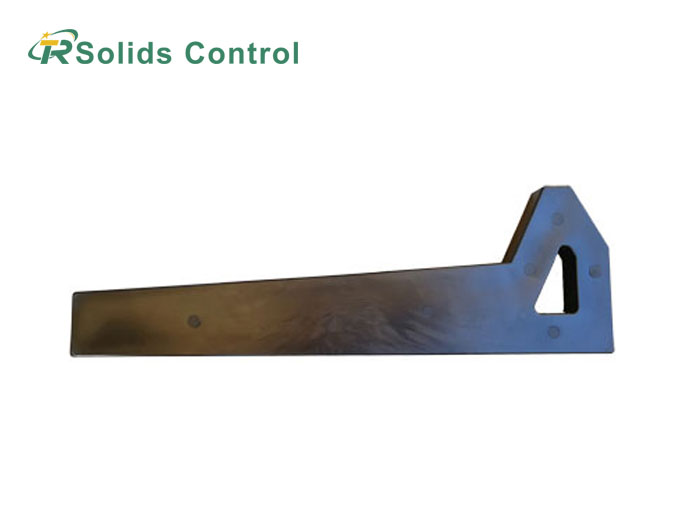
Many crews wait until the underflow becomes a straight water jet before repairing a hydrocyclone. In reality, once the liner wear exceeds 2 mm, separation efficiency starts dropping steeply. We provide a simple gauge to our customers: a probe with a step. Insert it once a week. If the wear step can sink more than 3 mm, replace the liner. This simple method gives about one week of early warning compared to just watching underflow, preventing gradual but undetected mud quality deterioration. A well-maintained Solids Removal System can save you a fortune in drilling fluid costs.
Similarly, the clearance between the centrifuge screw conveyor and the bowl gradually increases. We supply a clearance measuring gauge with the standard value. If the clearance exceeds 1.5 mm, it's time for weld repair or vane replacement. Pay attention to these details, and Solids Removal System can maintain its original performance for seven or eight years.
All the points above are lessons we at TR Solids Control Equipment Manufacturer have learned one by one from hundreds of drilling sites. We don't boast that our equipment is perfect, but we do say that every Solids Removal System we deliver goes through rigorous flow matching and failure mode pre‑analysis. From shakers to centrifuges, from sizing calculations to on‑site inspection checklists, we provide not just iron and steel, but a methodology that makes your Solids Removal System truly work.
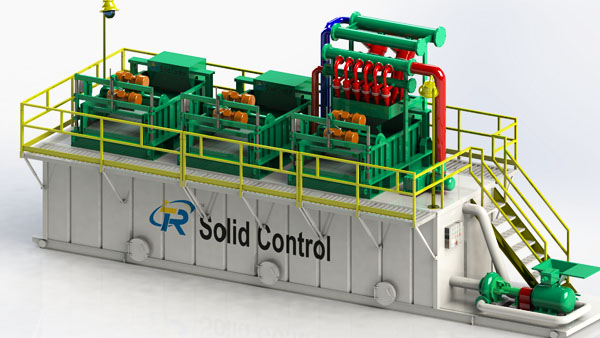
If your drilling crew is struggling with mud solids issues, or if you want to evaluate the actual efficiency of your existing Solids Removal System, feel free to talk to us, bring your mud reports and pump rate records, and we will help you figure out a clear cost‑effective solution.

Address: No.2 Huochang Road, Yangling District,Xianyang City, Shaanxi Province, China
Tel: +86-18509252400
Wechat: 18509252400
Email: info@mudsolidscontrol.com
Contact: Mr.Li
 +86-18509252400