Contact Person: Mr.Li
Mobile: +86-18509252400
Wechat: 18509252400
Email: info@mudsolidscontrol.com
Address: No.2 Huochang Road, Yangling District,Xianyang City, Shaanxi Province, China
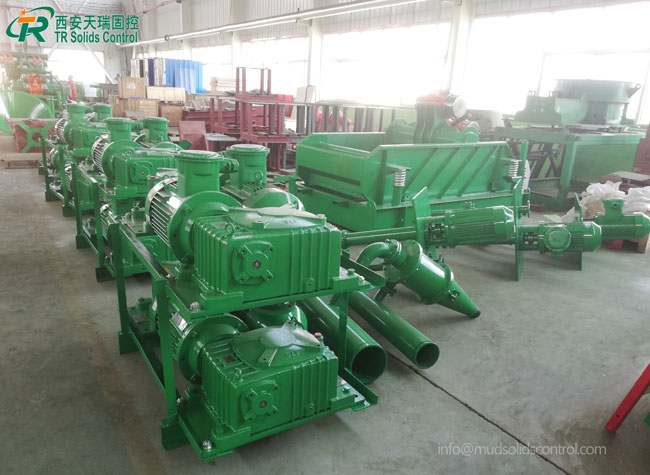
Efficient solids control is the backbone of any successful drilling operation. Poor management of drilled cuttings and fine solids can lead to diluted mud, increased wear on pumps and bits, higher chemical consumption, and costly disposal. That's why investing in the right drilling fluid processing equipment is critical, not only for maintaining mud properties but also for achieving significant cost savings over the life of a well.
In this article, we explore the top equipment types that deliver superior solids removal while lowering your total operational expenditure.
When solids (especially low-gravity drilled solids) accumulate in the drilling fluid, several negative effects occur:
Reduced rate of penetration (ROP)
Increased torque and drag
Higher dilution rates (adding fresh mud to maintain density)
Accelerated wear on mud pumps, centrifuges, and downhole tools
Greater disposal costs for contaminated waste
Effective solids removal equipment reduces these issues, allowing you to reuse mud longer, minimize chemical additives, and lower waste haul-off fees. The result: a direct reduction in cost per foot drilled.
Shale shakers are the most fundamental component of any solids control system. They use shaker screens to remove large cuttings (typically >75 microns) as soon as the mud returns to surface.
How they save money:
Remove up to 70-80% of drilled solids by mass
Reduce dilution requirements by keeping mud clean
Extend the life of downstream equipment
Selection tip: Choose high‑G, linear‑motion shakers with fine mesh screens (API 140–325) to capture smaller solids without sacrificing throughput. Dual‑deck or cascade systems allow you to recover valuable barite while discarding unwanted fines.
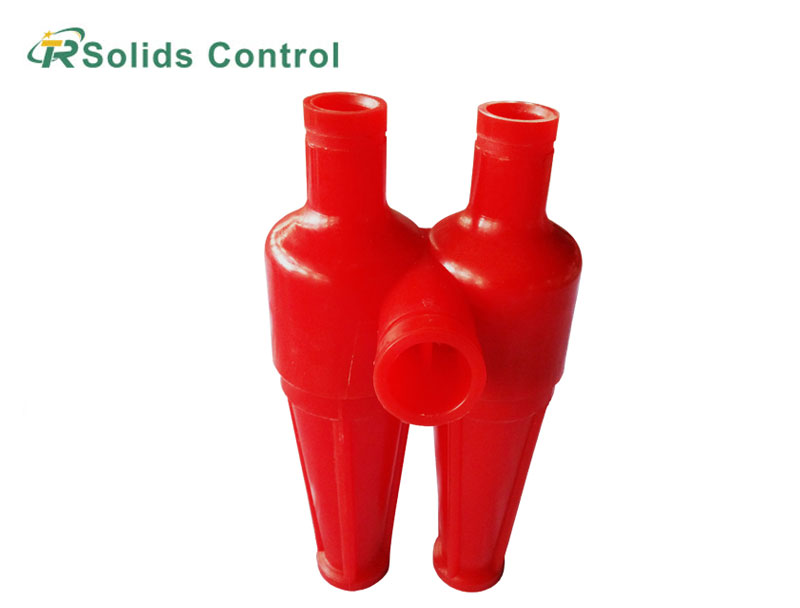
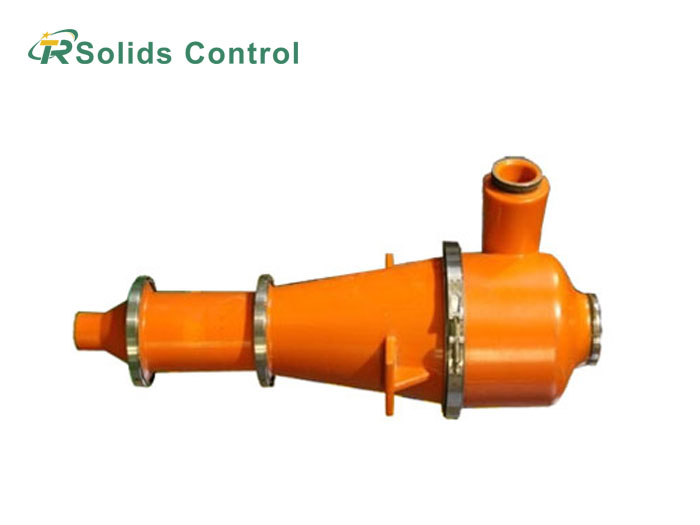
After passing through shakers, mud still contains sand and silt-sized particles (20–74 microns). Desanders remove particles around 40–60 microns, while desilters target the 20–40 micron range. Both use hydrocyclone technology.
Cost‑saving benefits:
Prevent abrasive solids from damaging pumps and seals
Reduce the need for expensive chemical thinners
Lower mud weight and viscosity maintenance costs
Best practice: Install desanders and desilters in series with balanced hydrocyclone pressures (typically 75 psi). Regularly inspect apex and vortex finders for wear, a worn cyclone loses efficiency quickly, letting fines recirculate.
The mud cleaner integrates desilters (or desanders) mounted over fine-mesh shaker screen. The underflow from the hydrocyclones passes over the screen, allowing barite and valuable liquids to pass through while rejecting fine solids.
Why it cuts costs:
Recovers precious barite (saving on weighting agent purchases)
Reduces waste volume by up to 40% compared to standalone hydrocyclones
Lowers disposal costs because the waste is drier and more compact
When drilling through reactive shales or claystone, mud cleaner is indispensable for maintaining low‑solids, high‑performance mud systems without bleeding the budget.
For sub‑20 micron solids removal, decanter centrifuges are unmatched. They use high rotational speed to separate fine solids and colloidal particles from the liquid phase based on density difference.
Major cost savings:
Enable near‑total recovery of barite (centrifuge can be run in barite‑recovery or cut‑point mode)
Reduce dilution rates by 50–70% in high‑solids environments
Minimize chemical consumption (less dispersant needed)
Produce dry solids that are cheaper to transport and dispose
Modern variable‑frequency drive (VFD) centrifuges allow you to adjust bowl speed and differential speed on the fly, tuning performance to changing mud conditions. This flexibility directly lowers energy and maintenance costs.
In oil‑based muds (OBM) or high‑density systems, high‑speed decanter or disc‑stack centrifuge can separate ultrafine solids down to 2–5 microns. These machines are often used for mud reclamation and waste minimization.
Cost impact:
Reclaim up to 95% of base oil or synthetic fluid, savings of thousands per barrel
Allow reuse of expensive muds across multiple wells
Drastically reduce waste treatment and landfill fees
Although capital costs are higher, the payback period is often less than one deep well when processing OBM or invert emulsions.
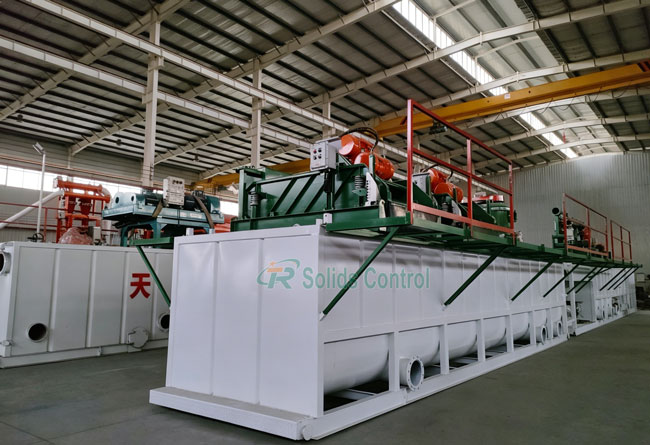
No single piece of drilling fluid processing equipment works optimally alone. The cost‑effective system follows this staged approach:
Shale shaker: remove large cuttings.
Mud cleaner (or separate desander/desilter): remove sand & silt, recover barite.
Decanter centrifuge: remove sub‑20 micron solids and colloidal particles.
High‑speed centrifuge (if OBM or weighted): ultra‑fine removal and oil recovery.
Proper sizing, flow balancing, and screen/cone maintenance are as important as the equipment itself. Under‑specify the shaker and you overwhelm downstream units; neglect centrifuge feed rates and you waste energy.
Even the best drilling fluid processing equipment loses efficiency when neglected. Follow these low‑cost practices:
Shaker Screens: Inspect for blinding or tearing every shift. Replace immediately, 1% bypass can double downstream solids loading.
Hydrocyclones: Check apex wear weekly. Replace when diameter increases 20% above spec.
Centrifuges: Monitor vibration, bearing temperature, and pool depth. Clean conveyor flights during mud changes.
Fluid properties: Maintain proper viscosity and gel strength, if mud is too thin, solids will not settle in cyclones or centrifuges.
Investing in top‑tier drilling fluid processing equipment is not an expense, it's a direct path to lower cost per foot, reduced environmental footprint, and higher drilling efficiency. From rugged shale shakers to precision decanter centrifuges, each piece plays a role in stripping away wasteful solids while preserving valuable fluid.
For most operations, the ideal combination is: Shale shaker → Mud cleaner → Decanter centrifuge. Add the high‑speed centrifuge for oil‑based muds. With proper sizing and maintenance, this lineup will consistently deliver solids‑free mud at the lowest possible daily cost.
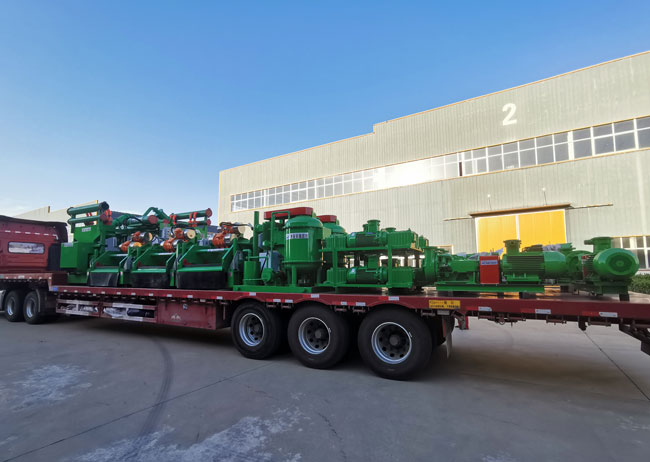
Ready to optimize your solids control? TR Solids Control is manufacturer of drilling solid control equipment in China. The equipment has been exported to more than 60 countries. Not only oilfield solid control equipment, but also complete mud systems. If you have any drilling project needs, please contact us at info@mudsolidscontrol.com

Address: No.2 Huochang Road, Yangling District,Xianyang City, Shaanxi Province, China
Tel: +86-18509252400
Wechat: 18509252400
Email: info@mudsolidscontrol.com
Contact: Mr.Li
 +86-18509252400