Contact Person: Mr.Li
Mobile: +86-18509252400
Wechat: 18509252400
Email: info@mudsolidscontrol.com
Address: No.2 Huochang Road, Yangling District,Xianyang City, Shaanxi Province, China
Selecting the right drilling solids control equipment is critical for optimizing drilling fluid performance, reducing operational costs, and minimizing environmental impact. A well-matched solids control system ensures efficient removal of drilled solids, prolongs fluid life, and enhances overall drilling efficiency.
In this guide, we present 5 stage matching tips to help you choose the ideal drilling solids control equipment for your project, whether onshore or offshore.
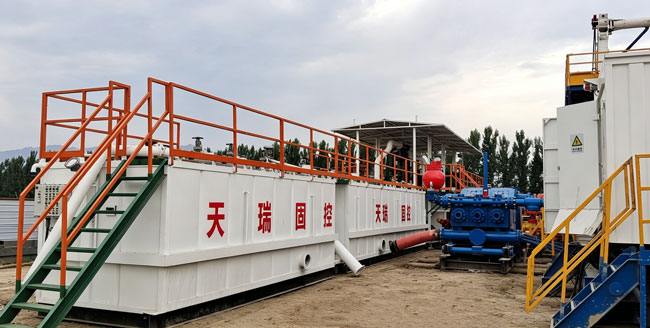
The shale shaker is the first line of defense in any solids control system. It removes large cuttings and particles before fluid passes to downstream equipment.
Selection Tips:
Choose a shaker with sufficient screen area and flow capacity to handle maximum circulation rate.
For high-viscosity fluids, opt for linear motion or balanced elliptical shakers.
Ensure screens are available in various mesh sizes to adapt to changing formation conditions.
Key equipment: Shale shaker, scalper shaker, fine screen shaker.
After primary screening, drilling solids control equipment like desanders and desilters remove fine and ultrafine solids. Their cut point (D50) determines separation efficiency.
Selection Tips:
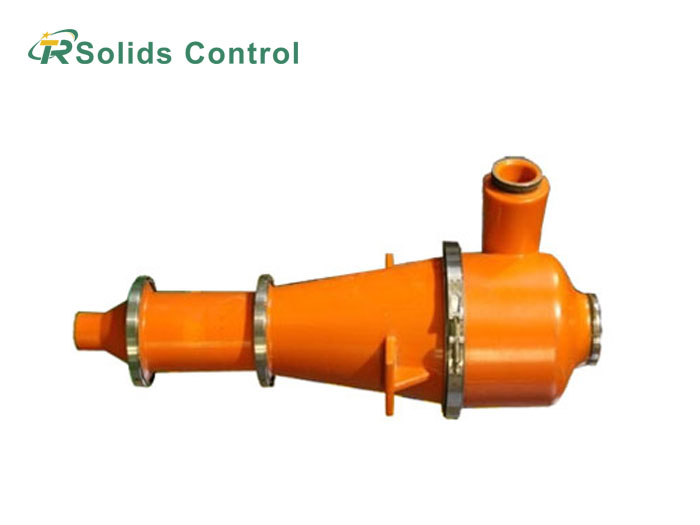
Desanders (typically 6–8 inches in cone diameter) remove particles >40–50 microns.
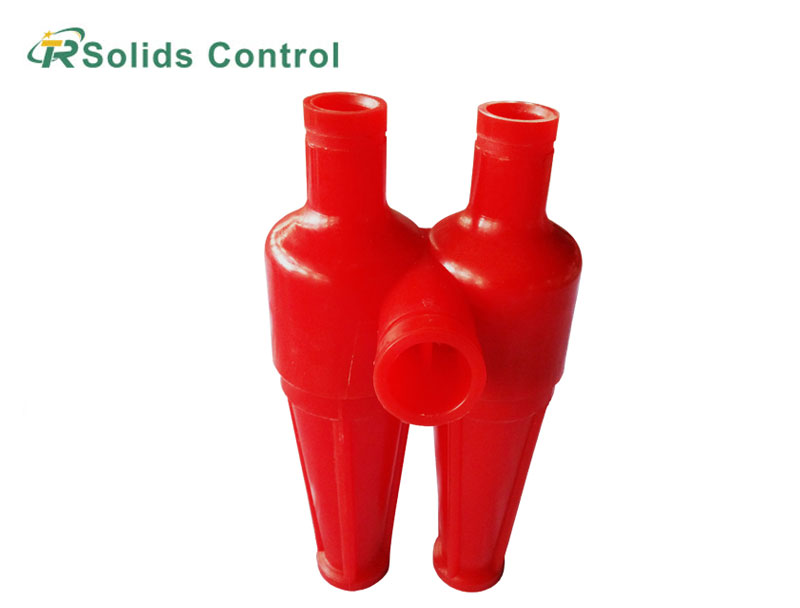
Desilters (4-inch cones) target particles >15–30 microns.
For high-solids loads, consider multiple cone units or mud cleaner (combining desilters with fine screen shaker).
Key equipment: Desander, desilter, mud cleaner, hydrocyclone assemblies.
Decanter centrifuges are the final stage for ultra-fine solids removal and barite recovery. Proper centrifuge sizing prevents excessive fluid loss and maintains rheology.
Selection Tips:
Use high-speed centrifuges (2,000–4,000 RPM) to remove colloidal solids and reduce viscosity.
Use low-speed centrifuges for barite recovery and weighted fluids.
Match bowl diameter and length to processing volume (e.g., 14-inch, 18-inch, or 22-inch models).
Key equipment: High-speed decanter centrifuge, low-speed centrifuge, variable-frequency drive centrifuge.
The complete solids control system requires properly designed mud tanks and agitators to prevent settling and maintain uniform fluid properties.
Selection Tips:
Ensure tank volume matches total circulation time (typically 1.5–2 times system volume).
Install vertical or horizontal agitators with adequate motor power (1.5–5 HP per 40–60 bbl of tank capacity).
Include gun nozzles and mixing hoppers for additive blending.
Key equipment: Mud tank, agitator, mud gun, mixing hopper, centrifugal pump.
Beyond core separation units, auxiliary drilling solids control equipment enhances waste management and fluid recovery.
Selection Tips:
Add drying shaker or vertical cuttings dryer to reduce liquid-on-cuttings for OBM or SBM.
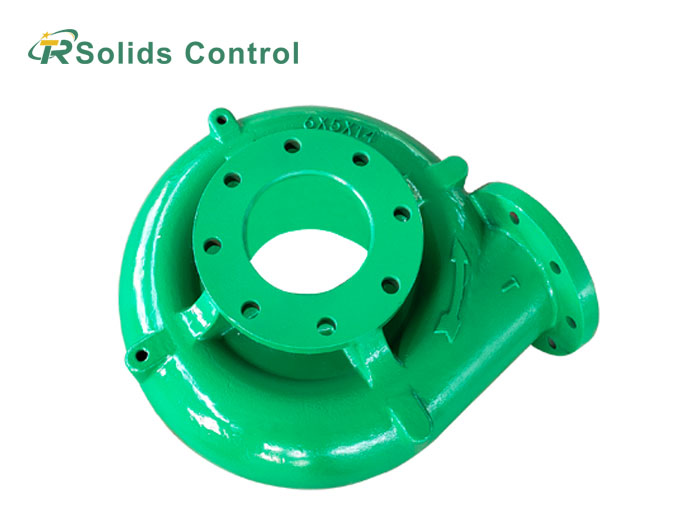
Use centrifugal pumps with abrasion-resistant liners for feeding hydrocyclones.
For zero-discharge sites, include a filter press or centrifuge-dewatering unit.
Key equipment: Drying shaker, cuttings dryer, filter press, submersible slurry pump.
Selecting drilling solids control equipment is not one-size-fits-all decision. Follow the 5 stage matching tips—starting with shale shakers, then desanders/desilters, centrifuges, tanks, and auxiliary units—to build a reliable solids control system. Always factor in:
Drilling fluid type (water-based, oil-based, synthetic)
Formation characteristics (soft, abrasive, fractured)
Environmental regulations
Total solids loading and ROP
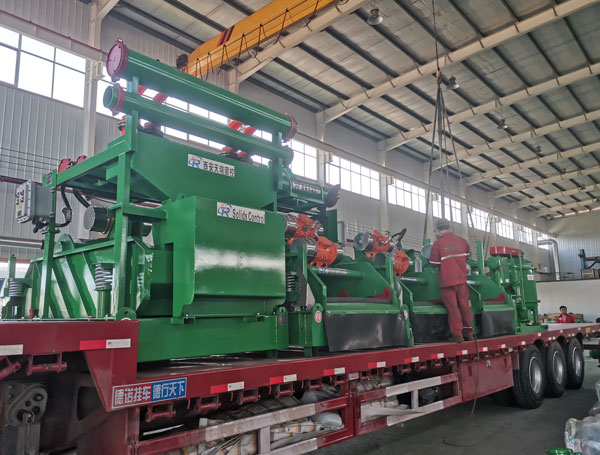
By matching equipment stages to your specific drilling conditions, you reduce dilution rates, lower waste disposal costs, and maximize drilling efficiency.

Address: No.2 Huochang Road, Yangling District,Xianyang City, Shaanxi Province, China
Tel: +86-18509252400
Wechat: 18509252400
Email: info@mudsolidscontrol.com
Contact: Mr.Li
 +86-18509252400