Contact Person: Mr.Li
Mobile: +86-18509252400
Wechat: 18509252400
Email: info@mudsolidscontrol.com
Address: No.2 Huochang Road, Yangling District,Xianyang City, Shaanxi Province, China
The shale shaker is one of the most important pieces of solids control equipment used in oil and gas drilling operations. It is designed to separate drill cuttings from drilling fluid and improve the efficiency of the drilling mud recycling system.
In modern drilling projects, including oil drilling, HDD drilling, geothermal drilling, and CBM drilling, shale shakers play a critical role in maintaining drilling fluid performance and reducing waste management costs.
TR Solids Control explains how a shale shaker works, its main components, types, advantages, and how to choose the right shale shaker for your drilling operation.
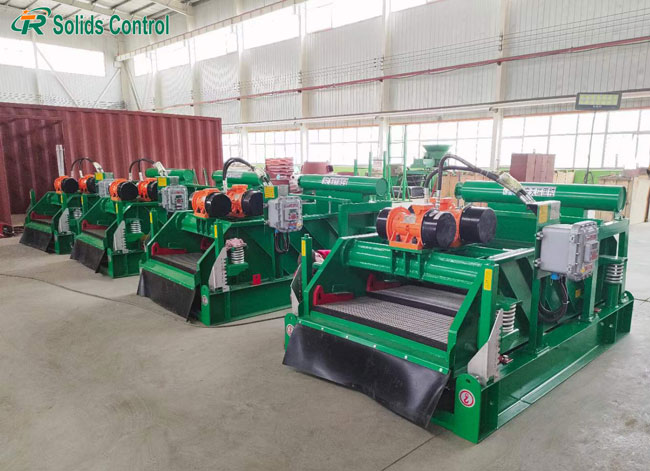
Mud shale shaker is the first-stage solids control equipment in drilling fluid circulation system. Its main function is to remove large solid particles from drilling mud before the fluid enters downstream equipment such as desanders, desilters, and decanter centrifuges.
During drilling operations, drilling mud carries rock cuttings back to the surface. Without proper solids control, excessive solids can damage drilling equipment, reduce drilling efficiency, and increase operational costs.
A shale shaker helps:
Recover valuable drilling fluid
Reduce drilling waste
Improve drilling efficiency
Protect downstream solids control equipment
Extend drilling mud life
Shale shakers are widely used in:
Oil and gas drilling
Horizontal directional drilling (HDD)
Trenchless drilling
Geothermal drilling
Mining exploration
The working principle of shale shaker is based on vibration screening technology. Drilling fluid containing solid particles flows onto shaker screens. The liquid phase passes through the shaker screen while larger solids are discharged from the end of the shaker.
Drilling fluid returns from the wellbore through the flow line and enters the shale shaker through a feeder or distribution box.
The feeder evenly distributes the drilling fluid across the shaker screen surface to improve separation efficiency.
The vibration motor generates linear, elliptical, or circular motion. This vibration causes drilling fluid to move across the screen surface.
Large drill cuttings remain on top of the screen while usable drilling fluid passes through the mesh openings.
Modern shale shakers typically operate at high G-force to improve solids separation and screen drying performance.
The cleaned drilling fluid flows into the mud tank below the shaker and continues to downstream solids control equipment.
The screen mesh size determines the size of solids removed from the drilling fluid.
Proper screen selection is critical for maintaining drilling mud performance.
Separated drill cuttings move toward the discharge end of the shaker and are removed from the system for waste management or disposal.
Efficient solids removal helps reduce dilution costs and improves overall drilling performance.
The shale shaker consists of several key components that work together to achieve effective solids separation.
The shaker screen is the most important wear component. It determines the particle size separation performance.
API-compliant shaker screens are commonly used in oilfield drilling operations.
The vibration motor generates the motion required for solids separation.
Different vibration patterns include:
Linear motion
Balanced elliptical motion
Circular motione
The screen basket supports the shaker screens and transfers vibration energy.
The feeder distributes drilling fluid evenly across the screen surface.
The base frame supports the entire shaker assembly and reduces vibration impact on surrounding equipment.
Different shale shaker designs are used depending on drilling conditions and solids control requirements.
| Type | Features |
| Linear Motion Shale Shaker | Most common design with high processing capacity |
| Balanced Elliptical Shale Shaker | Better screen drying performance |
| Circular Motion Shale Shaker | Older design with lower efficiency |
Linear motion shale shakers are widely used in modern drilling solids control systems because of their stable performance and efficient solids separation capability.
Using high-quality shale shaker provides several operational benefits.
Efficient solids removal improves drilling fluid properties and drilling performance.
Removing solids early reduces waste volume and disposal costs.
Proper solids control reduces mud contamination and extends the service life of drilling fluid.
Shale shakers reduce the solids load on desanders, desilters, and centrifuges.
Better drilling fluid recovery reduces mud replacement costs and improves project profitability.
Selecting the correct shale shaker depends on several factors.
The shaker should match the drilling fluid circulation rate.
Choose API shaker screens suitable for drilling conditions and particle separation requirements.
Higher G-force improves solids drying performance but may affect screen life.
Different vibration motions are suitable for different drilling applications.
Different projects such as HDD drilling and oilfield drilling may require customized solids control solutions.
Possible causes include:
Excessive vibration
Incorrect screen installation
High solids loading
Poor quality screens
Using API-certified shaker screens can improve durability.
Mud loss may occur because of:
Incorrect mesh size
Damaged screens
Excessive flow rate
Proper screen selection helps improve mud recovery.
To improve shaker performance:
Use proper screen mesh
Maintain stable flow rate
Inspect vibration motors regularly
Replace damaged screens promptly
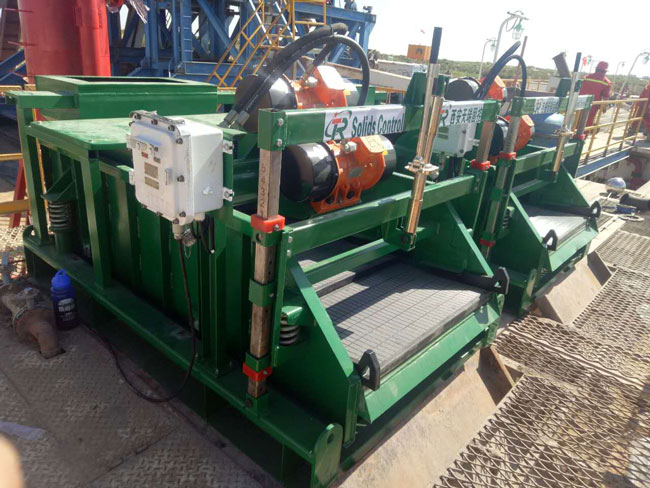
Shale shakers are widely used in various drilling industries.
Used for primary solids control in drilling fluid circulation systems.
Compact shale shakers are commonly used in horizontal directional drilling projects.
Helps maintain drilling fluid quality in geothermal well drilling operations.
Used for solids separation and mud recycling in mineral exploration drilling.
A shale shaker removes drill cuttings from drilling fluid and improves solids control efficiency.
API shaker screens comply with API RP 13C standards for screen classification and conductance.
Screen life depends on drilling conditions, vibration force, and drilling fluid properties.
G-force refers to the vibration acceleration generated by the shaker motor.
Yes. Compact shale shakers are widely used in HDD and trenchless drilling projects.
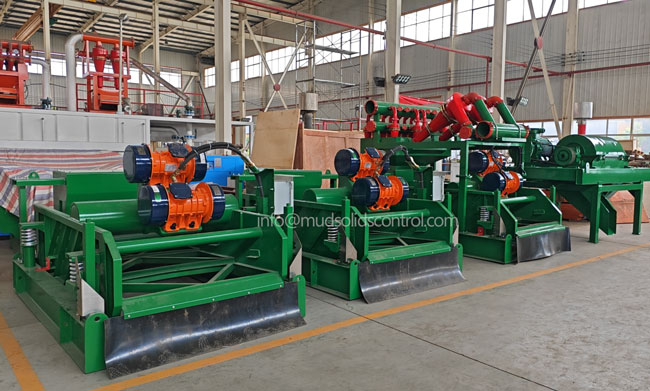
Mud shale shaker is essential equipment in modern drilling solids control systems. It improves drilling fluid recovery, reduces waste, and enhances drilling efficiency.
Choosing the right shale shaker and maintaining proper solids control can significantly reduce operational costs and improve drilling performance.
As a professional solids control equipment manufacturer, TR Solids Control provides:
shale shakers
mud cleaners
decanter centrifuges
complete mud recycling systems
Contact TR for customized drilling solids control solutions and technical support.

Address: No.2 Huochang Road, Yangling District,Xianyang City, Shaanxi Province, China
Tel: +86-18509252400
Wechat: 18509252400
Email: info@mudsolidscontrol.com
Contact: Mr.Li
 +86-18509252400