Contact Person: Mr.Li
Mobile: +86-18509252400
Wechat: 18509252400
Email: info@mudsolidscontrol.com
Address: No.2 Huochang Road, Yangling District,Xianyang City, Shaanxi Province, China
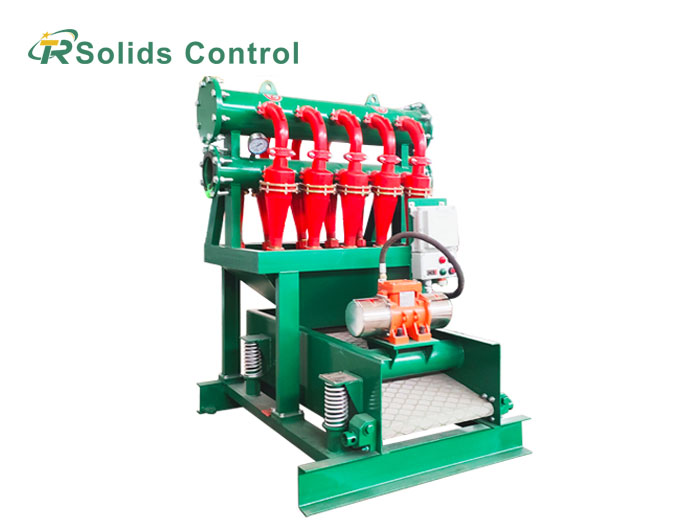
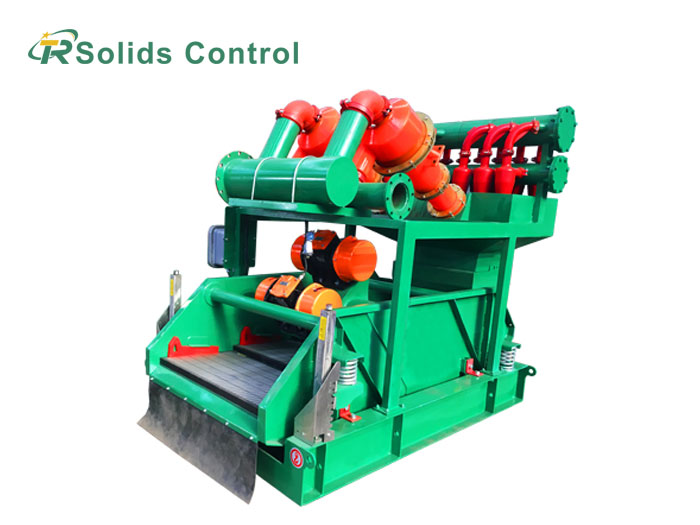
Drilling mud desilters are critical solids control equipment in oil drilling, separating 15–47μm fine solid particles from drilling mud. Their performance directly affects mud quality, drilling efficiency and equipment lifespan. Compared to desanders, desilters specialize in fine particle separation, with matched fine-mesh shale shakers featuring simple structure, easy installation, stable vibration and smooth slag discharge—widely used in oil drilling.
When selecting an oil drilling desilter, comprehensively evaluate processing capacity, separation precision, cyclone specifications/quantity, operating pressure, equipment structure/materials, brand and after-sales service.
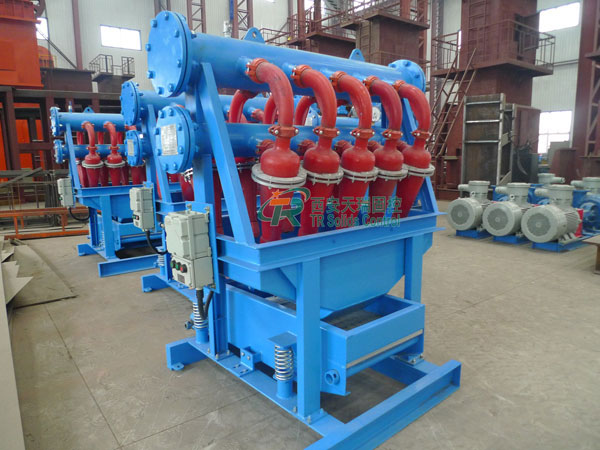
Capacity demand:Based on actual needs of drilling operation, Select a desilter with capacity ≥ 1.25–1.5 times the maximum drilling displacement to avoid insufficient separation caused by inadequate capacity.
Sand pump matching:Desilters rely on sand pumps to provide pressure and flow rate. Match sand pumps by desilter capacity: ≤240 m³/h desilters with 15–55 kW pumps; ≤300 m³/h desilters with 22–75 kW pumps.
Particle size range:Ensure the desilter effectively separates 15–47μm solid particles as required.
Separation efficiency:Separation efficiency is also a key consideration. High-efficiency desilter can more thoroughly remove solid particles from drilling mud, improving the performance and quality of drilling fluid.
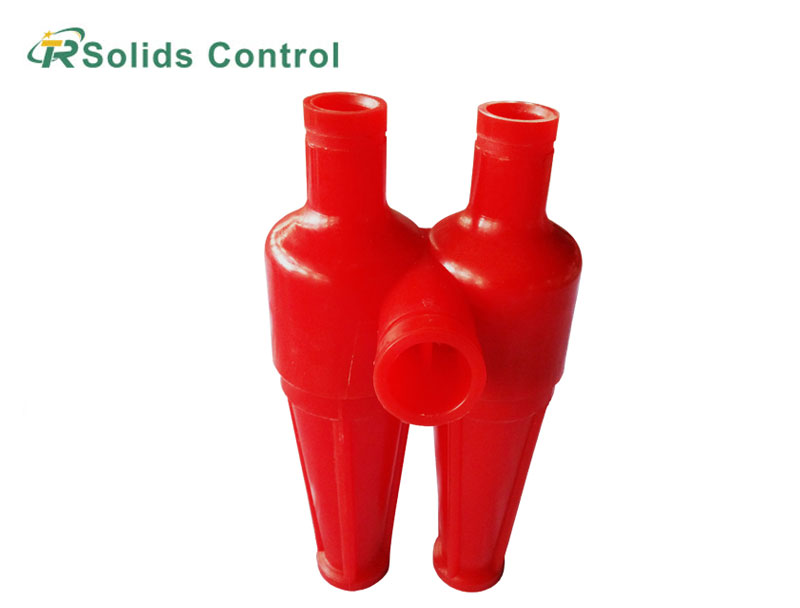
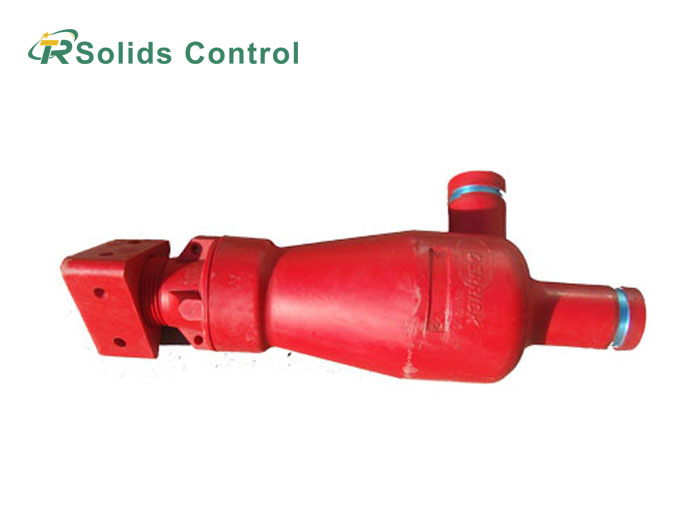
Cyclone size:Desilters are usually composed of multiple cyclones. The size of cyclones directly affects the equipment’s processing capacity and separation effect. Common cyclone sizes include 4" and 5", which can be selected based on actual needs.
Cyclone quantity:The number of cyclones also impacts processing capacity. More cyclones mean stronger capacity, but avoid over-configuration to reduce complexity and cost.
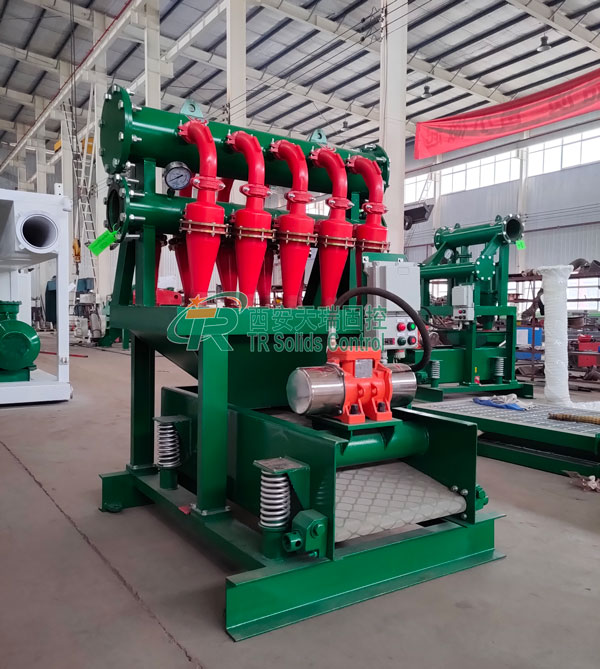
Pressure range:Opt for desilters with operating pressure of 0.15–0.35 MPa to ensure normal operation.
Stability:Check structural design and manufacturing process to avoid excessive vibration/noise and ensure reliability.
Structural compactness:Desilters should have compact structure, occupy small footprint, and be easy to install and transport. Meanwhile, the equipment should adopt convenient connection methods, such as clamp-type connections.
Material corrosion resistance:Drilling mud contains various chemical substances and solid particles, so desilter materials must have excellent corrosion resistance. Common materials include stainless steel and polyurethane, which can be selected according to actual application scenarios.
Choose well-known brands for guaranteed quality. TR Solids Control offers custom desilters and comprehensive after-sales support, ensuring timely maintenance and extended equipment lifespan.
To ensure operational safety and separation efficiency, avoid blindly pursuing large processing capacity. Instead, select the desilter based on the actual drilling pump displacement. Over-configured equipment will increase energy consumption and operation and maintenance costs. As a professional desilter manufacturer, TR Solids Control provides reliable support for the smooth progress of drilling operations.

Address: No.2 Huochang Road, Yangling District,Xianyang City, Shaanxi Province, China
Tel: +86-18509252400
Wechat: 18509252400
Email: info@mudsolidscontrol.com
Contact: Mr.Li
 +86-18509252400